 Emily Robinson, Content Officer at the Forestry Commission, reveals the birds you can expect to see in our woodlands in winter, and how they contribute to a healthy, woodland ecosystem.
When the last leaves fall and winter settles over England’s woodlands, it may seem like a quiet stillness has settled over our landscapes. But as trees stand bare and undergrowth dies back, the bustle of birds becomes easier to see.
Each species reveals something vital about how our woodlands function. Winter birdwatching offers more than the joy of spotting beautiful animals – it provides a window into the interconnected systems that sustain our woodlands, even in the harshest season.
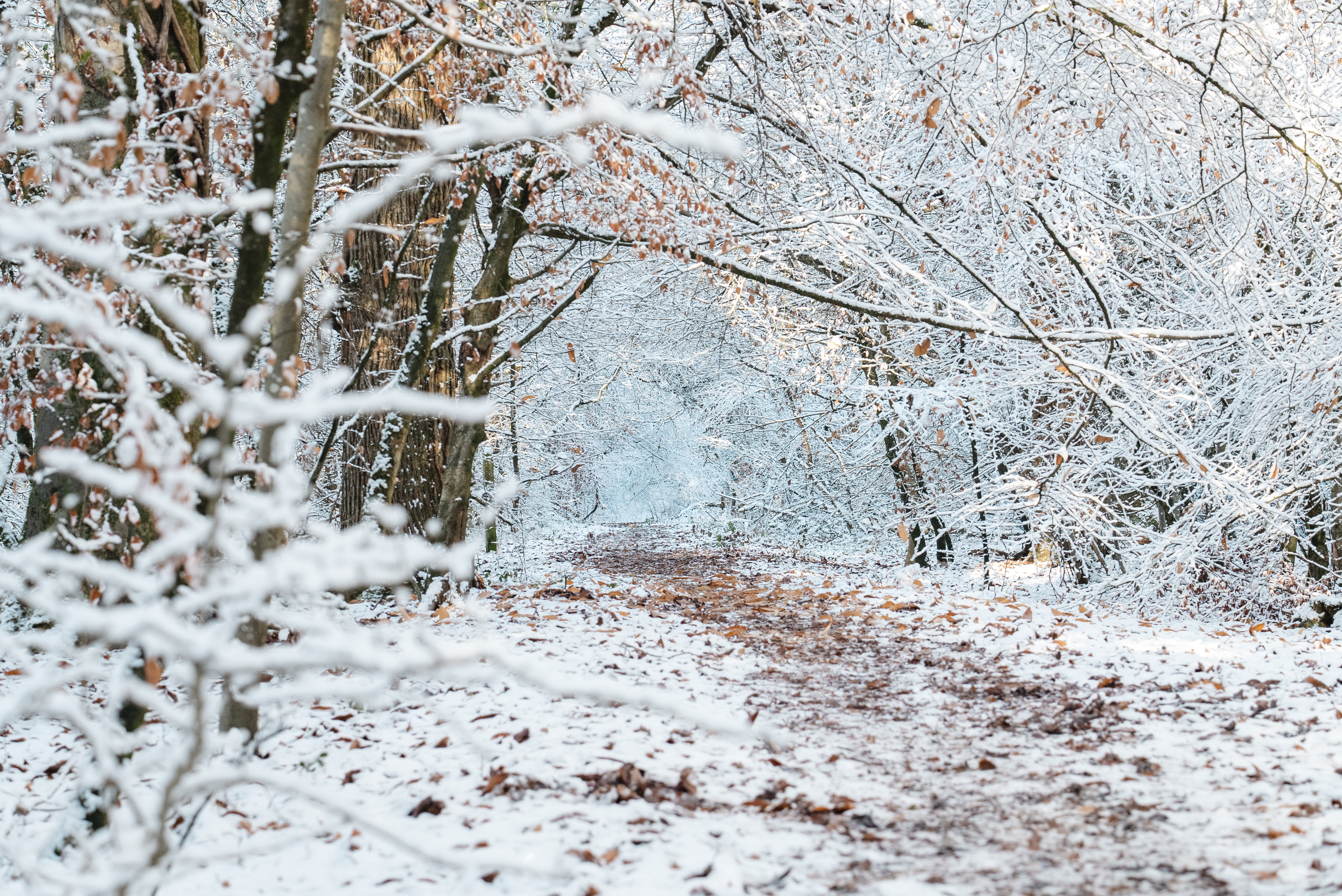
Spot resident insect-eaters on tree trunks
Start your winter woodland walk by looking at tree trunks. Listen for high-pitched calls, soft tapping and fluttering wings. The insect control team is hard at work.
Treecreepers spiral upward from the base of tree trunks, their mottled brown backs camouflaged against bark, probing crevices with curved beaks. Nuthatches take the opposite approach, descending head-first in jerky movements, their blue-grey backs and buff-orange undersides are distinctive even in the winter light. Great spotted woodpeckers announce themselves with sharp calls and occasional drumming that begins in winter, while smaller, acrobatic tits hang from the finest twigs, sometimes upside-down, examining every surface.
These birds hunt for overwintering insects, larvae and eggs tucked into bark crevices, keeping invertebrate populations in check and preventing any single species from overwhelming the woodland come spring.
Trees of various ages, textures and species create countless microhabitats. Ancient trees with deeply fissured bark support more invertebrate life and consequently more birds.

Watch ground and undergrowth feeders
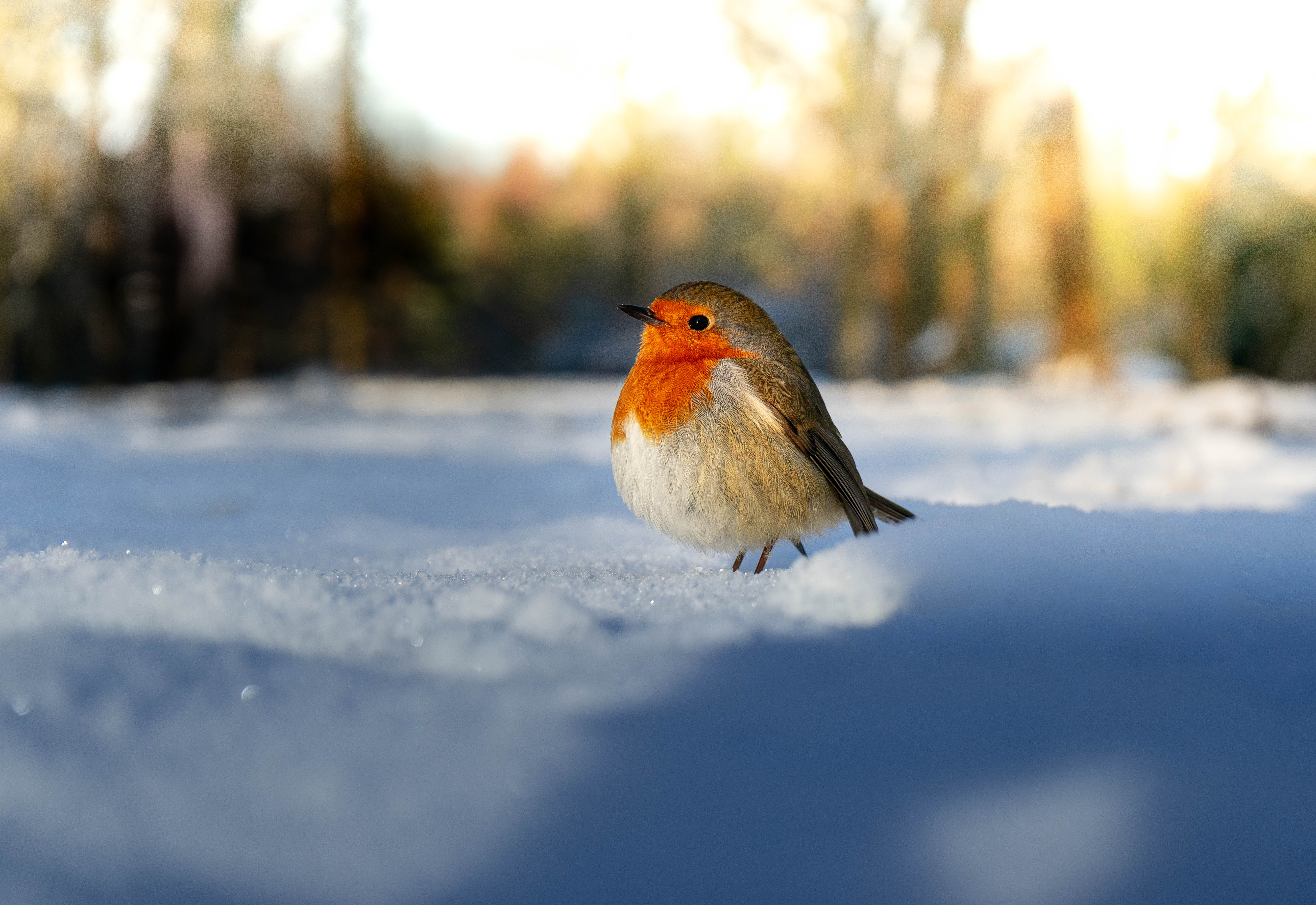
Shift your attention to the leaf litter and listen for rustling among fallen leaves or movement in bramble patches. Here you'll find robins, wrens, dunnocks and blackbirds.
Robins are boldest, often hopping close to walkers, their red breasts vivid against winter's muted palette. They're fiercely territorial even in winter, and you may hear their song as they defend their patches. Wrens, despite being one of the UK's smallest birds, produce loud rattling calls from deep within brush piles.
These birds work through leaf litter, hunting invertebrates like spiders, beetles and woodlice. Their constant disturbance accelerates decomposition, breaking down organic matter to release nutrients into the soil. They also spread seeds from berries they've eaten and from plants in areas they disturb.
Observe berry feeders and seed dispersal networks
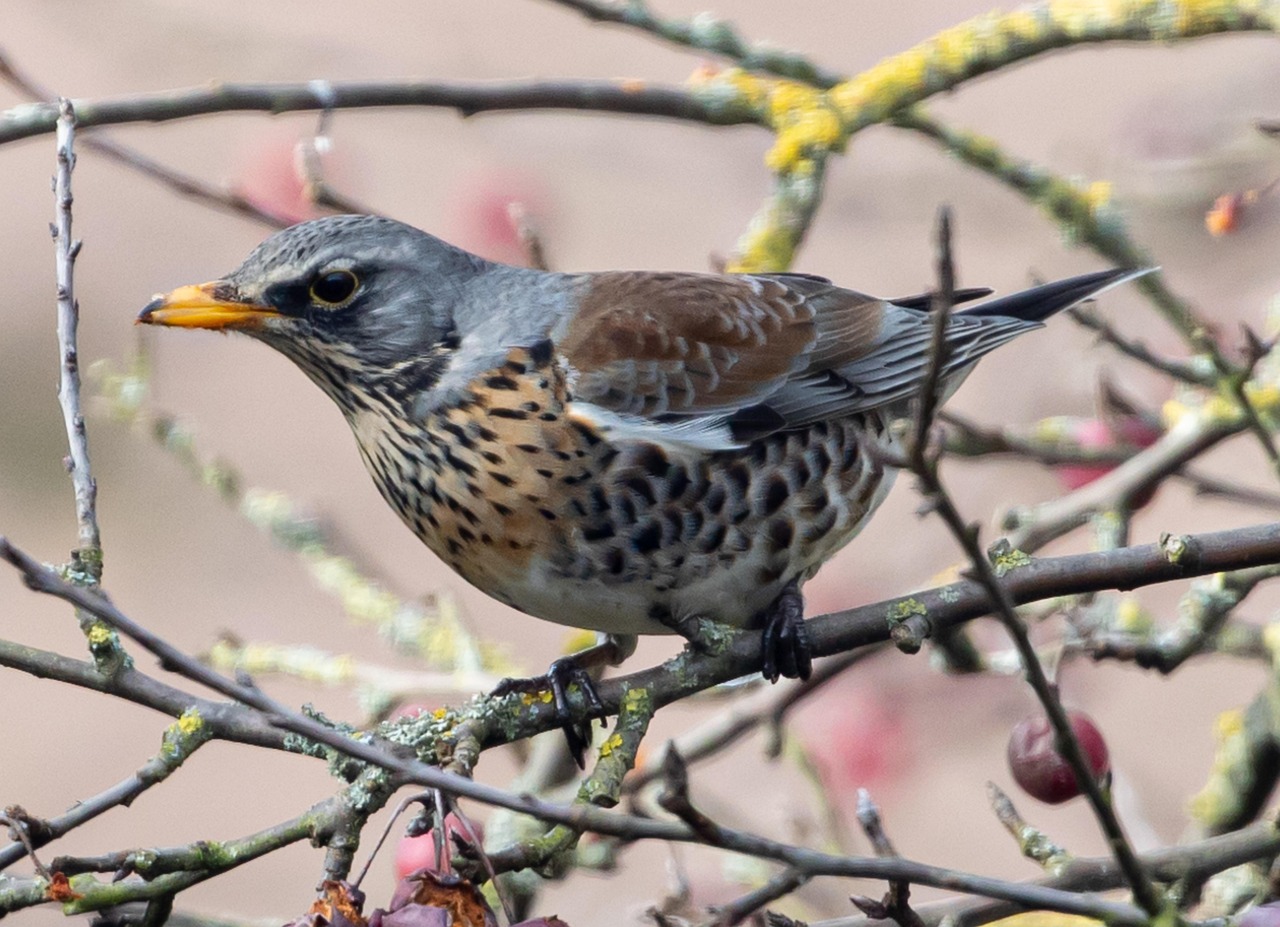
Now scan the berry-bearing trees and shrubs scattered through the woodland: holly with glossy green leaves and red berries, ivy fruiting in winter, hawthorn, rowan and elder. Watch for movement and listen for chattering calls. If you're lucky, you'll see fieldfares, redwings and thrushes that arrive from Scandinavia each autumn.
Fieldfares are large thrushes with grey heads and spotted breasts, often feeding in noisy flocks. Redwings are smaller, with distinctive cream eyestripes and red flanks. They roam the woodland seeking berry-laden trees, sometimes joined by resident blackbirds and song thrushes. Mistle thrushes take a different approach, aggressively defending the best berry bushes with distinctive rattling alarm calls.
These birds do more than simply feed. As they swallow berries whole, seeds pass through their digestive systems and are deposited across the woodland in nutrient-rich droppings. This is one way for woodlands to naturally regenerate and expand: holly grows beneath oak, hawthorn colonises clearings and ivy climbs new trees because birds carried seeds from parent plants.
This winter, watch and listen for jays – large, pinkish-brown birds with striking blue wing patches that flash as they fly between trees. Though often shy, their screeching calls give them away. Jays are often associated with oak woodlands because they cache thousands of acorns each autumn, burying them across the woodland and beyond. Many of these hidden acorns are never retrieved, allowing them to germinate into the next generation of oak trees.
The abundance and variety of berry-feeding birds you see reflect last year's growing conditions and the woodland's fruiting success. The arrival of thrushes from the continent demonstrates that our woodlands are part of a larger network, a vital link in migration routes stretching across Europe.
Discover canopy feeders and tree seed cycles
Look up into the bare canopy and you'll find another community exploiting a different resource: tree seeds. Listen for the tinkling calls of finches and watch for small, acrobatic birds on seed-bearing trees. Alders, birches, pines and beeches all produce winter food for specialist feeders.
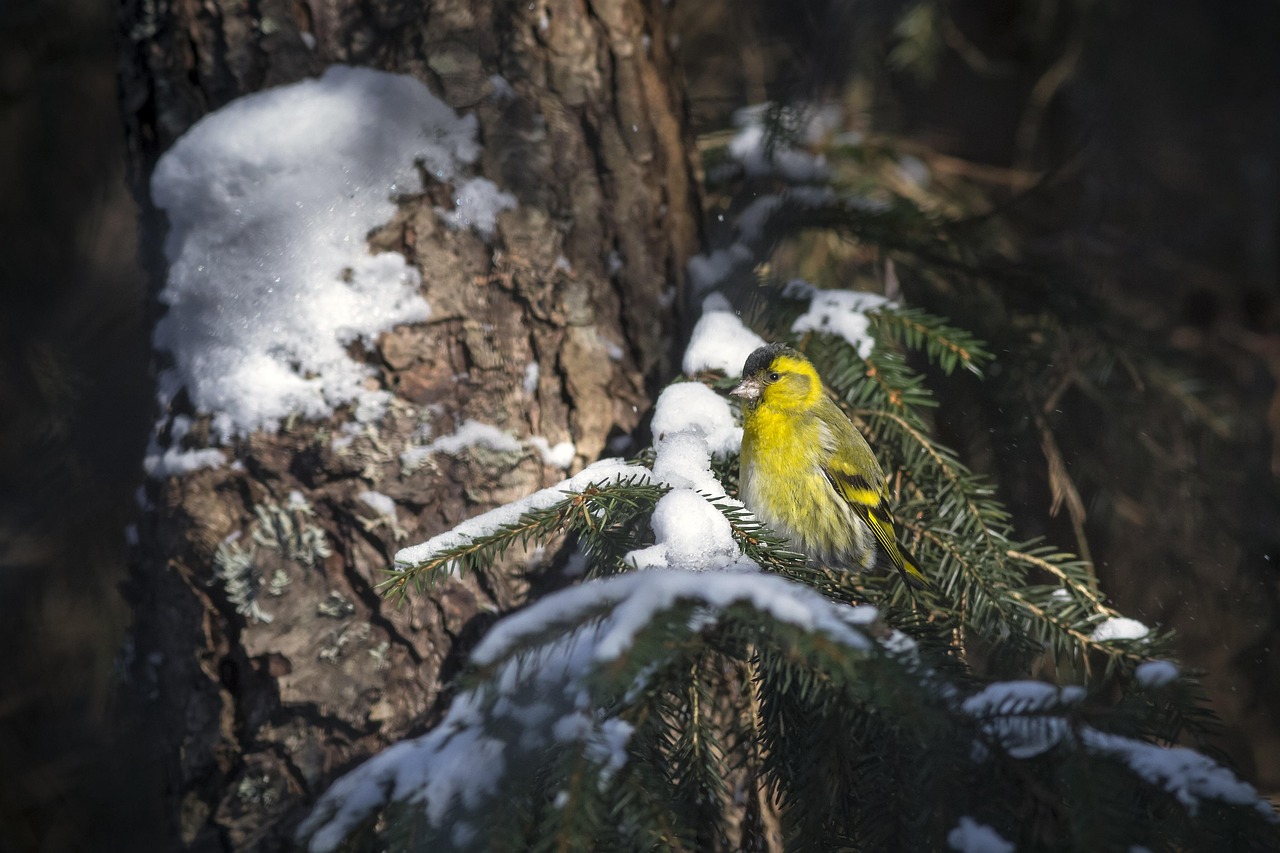
Siskins, small green and yellow finches, work alder cones with remarkable dexterity. Redpolls with red foreheads prefer birch seeds. Goldfinches, though more often associated with gardens, feed on remaining teasel and thistle seed heads at woodland edges. Chaffinches and bramblings (the latter a winter visitor from the north) gather beneath beeches to feed on fallen nuts, otherwise known as mast.
These birds help to spread seeds; as cached seeds may be forgotten and dropped, seeds may roll to new locations. Some years produce bumper seed crops (mast years) and finch numbers increase accordingly. In poor seed years elsewhere in Europe, northern species like siskins and bramblings arrive in the UK in large numbers, showing how our woodlands support wider populations from further afield.
Admire flocks working together
One of winter's most delightful sights is a mixed feeding flock moving through the canopy. Follow the high-pitched, insistent calls of tits and you'll often find a roaming band of different species working together. Blue tits, great tits, coal tits and long-tailed tits form the core, sometimes joined by goldcrests, treecreepers or nuthatches.
Great tits, the largest of UK tits, work thicker branches. Blue tits specialise in fine twigs and buds. Coal tits prefer conifers. Long-tailed tits, with their distinctive long tails, move as family groups within the larger flock.
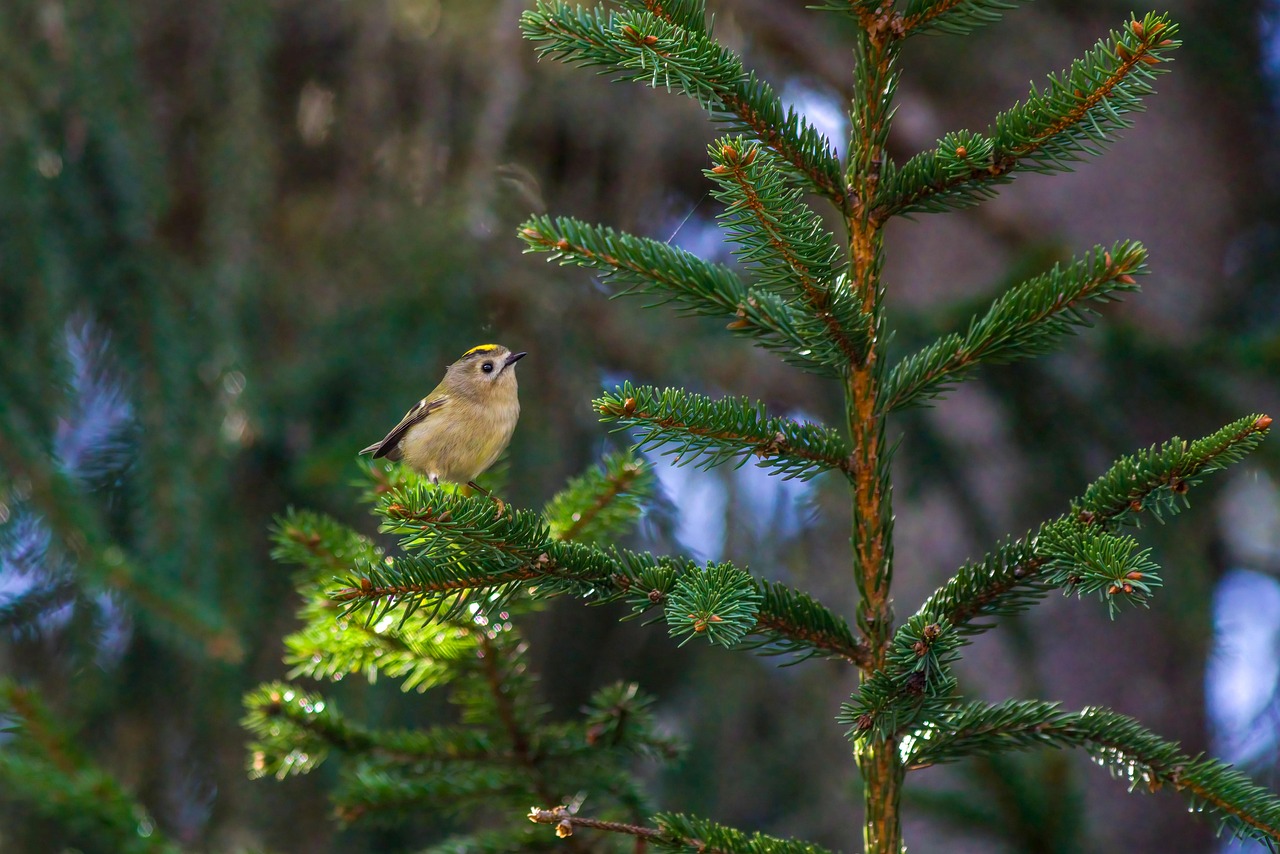
Goldcrests, the UK's smallest bird, are specialists of coniferous woodland, hovering at needle tips to glean tiny insects. Their rarer relative, the firecrest – a winter visitor to southern England with distinctive striped face markings and a bright orange centre on males – shares this dependence on conifers.
This cooperative behaviour makes ecological sense. Moving together, they benefit from many eyes watching for predators. By feeding at different levels and using different techniques, they search the woodland for overwintering insects without excessive competition. Diverse flocks suggest complex canopy architecture that provides multiple feeding niches.
Predators and ecosystem balance
Finally, look for signs of predators. Listen for alarm calls. Watch for sudden mobbing behaviour as small birds dive and call to alert to a hidden threat. Scan bare branches for perched raptors and at dusk, listen for the hooting of tawny owls.
Sparrowhawks hunt with speed through the woodland, their short wings and long tails designed to manoeuvre between trees. You might spot one perched quietly, waiting, or see the explosion of small birds as they attack. Buzzards, larger and more often seen in open areas, sometimes perch at woodland edges. Tawny owls become increasingly vocal from late winter as breeding season begins.
These predators are the ecosystem's top regulators. They control small bird populations, preventing them from overexploiting insect resources. They tend to target weak or sick individuals, strengthening prey populations. Their kills, pellets and uneaten prey create nutrient hotspots on the woodland floor.
Sparrowhawks need dense cover for hunting and owls require mature trees with nesting cavities. Healthy predator populations indicate abundant prey, which in turn indicates a healthy woodland ecosystem supporting life at multiple levels.

Making the most of winter walks
This winter, step into your local woodland with fresh eyes. Winter strips away the visual noise of summer, making winter an excellent time to go birdwatching. Bring binoculars, dress warmly and take your time. Whether you're an experienced birder or just enjoy a woodland walk, winter offers a clearer view of the wildlife around you.
The birds are there year-round. Over time, you'll start to recognise patterns and notice seasonal changes. You’ll come to see how each species fits into the woodland's wider story as they keep the ecosystem ticking over until spring returns.
Discover more information on how trees and woodland benefit nature.

3 comments
Comment by James Morison posted on
nice article, but just to note that the photo captioned 'redwing' is is that of a fieldfare (also a winter migrant - so maybe just correct caption?)
Comment by Forestry Commission posted on
Hi James, thanks for flagging! We have updated the caption to the correct species.
Comment by Mark posted on
Nice blog with great bird images - makes me want to take a woodland walk! Thanks!