 Naomi Mervin, Head of Economics, Evidence and Analysis at the Forestry Commission, shares how forests contribute to the UK economy, from jobs to our mental health and wellbeing.
Tomorrow is International Day of Forests. What comes to mind first? Perhaps the trees, animals, the fresh smell of rain on the leaves or jumping in muddy puddles – especially for those of you with kids!
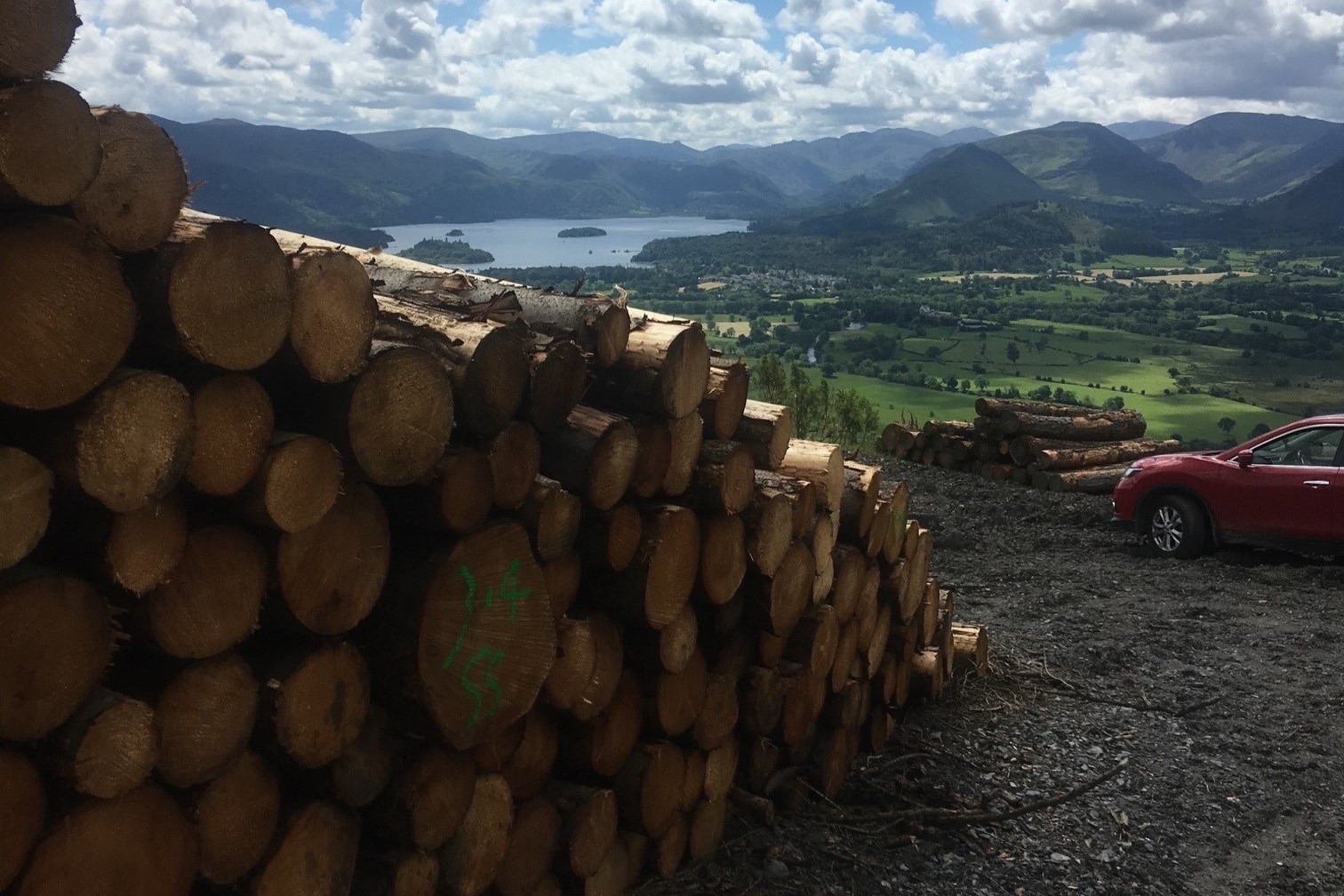
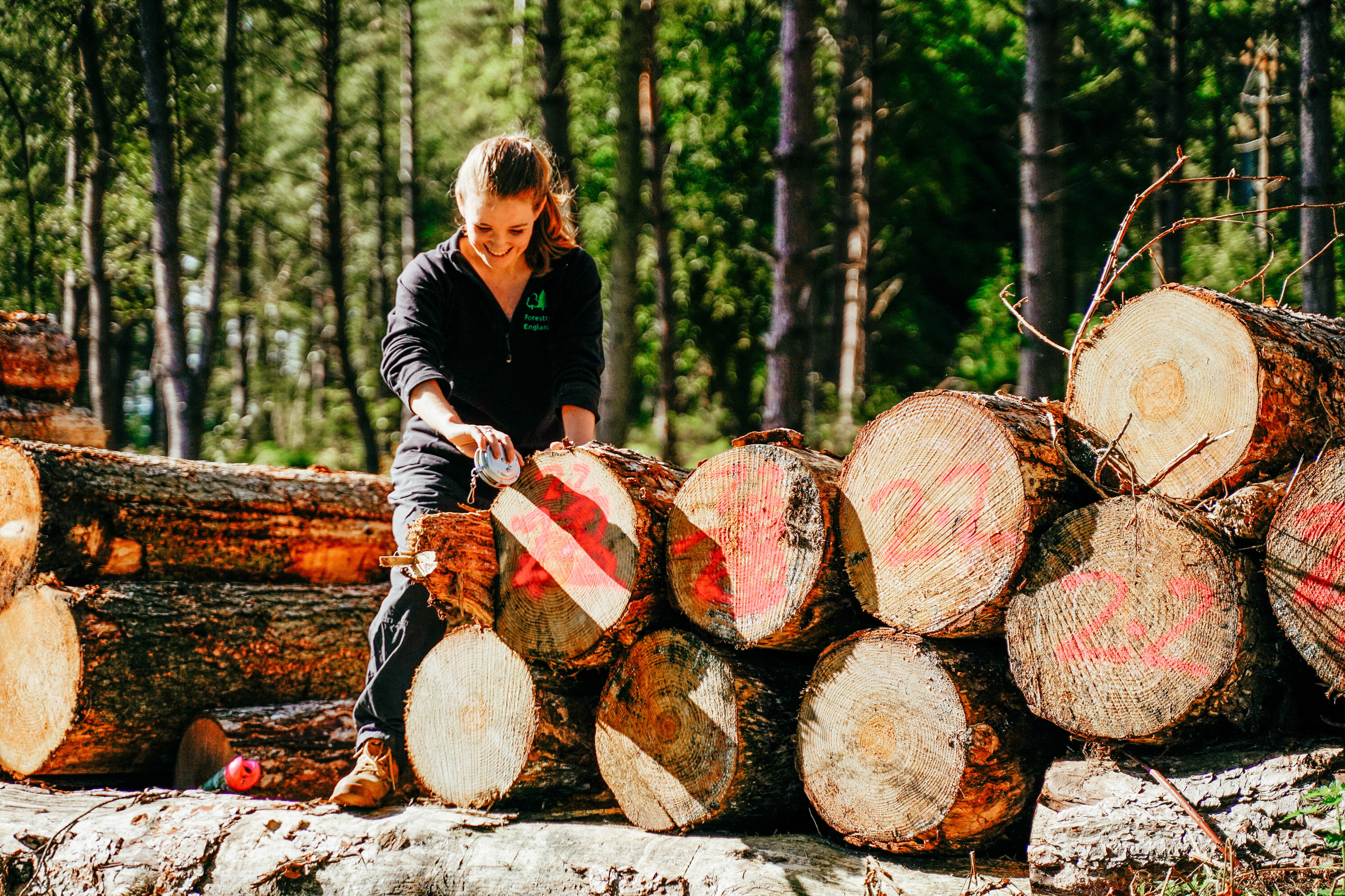
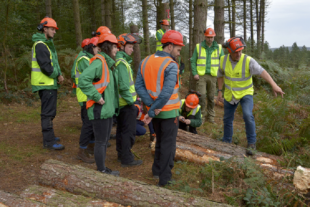
But there’s another side to our forests: the chainsaws, harvesters and forwarders, and the timber stacks you see awaiting collection. All of these are the reality of our forests at one time or another, and they are all really important for how our economy works.

Employment in forestry and wood processing
The UK is a net importer of timber and is the second largest importer in the world after China,1 but that doesn’t mean we don’t have a domestic industry.
At the last Business Register and Employment Survey (October 2023), average employment in UK forestry was 21,000 in 20222 – roughly the capacity of Turf Moor stadium in Burnley.
There are also people in jobs transforming those timber stacks you see in our ports or in our forests into the materials you use every day. These include the beams in your house to toilet roll. The employment figures for wood processing from 2021, show 122,000 staff employed across UK industries3 – which would fill Tottenham Hotspur stadium two times over.
Forestry jobs supporting wider sector jobs
It’s not just direct employment in forestry that has an impact on our economy, it’s also where those forestry workers spend their income. Forestry jobs are very often located in more rural areas, meaning forestry workers tend to support local petrol stations, post offices and pubs in areas that may not get many visitors.
This is a real positive for our rural economies. With every 100 jobs in forestry harvesting, for example, another 80 jobs are provided and supported in other sectors of the economy.4
Forests support mental health and the economy
There is the other side of forestry to consider too: the nature, recreation (more muddy puddles) and wider environmental benefits. These are also incredibly important for the economy.
Forests host a number of businesses within them. This is is evidenced in our Unearthing the leisure and tourism potential of our woodlands blog, which explains how forests underpin a range of leisure and tourism activities and jobs.
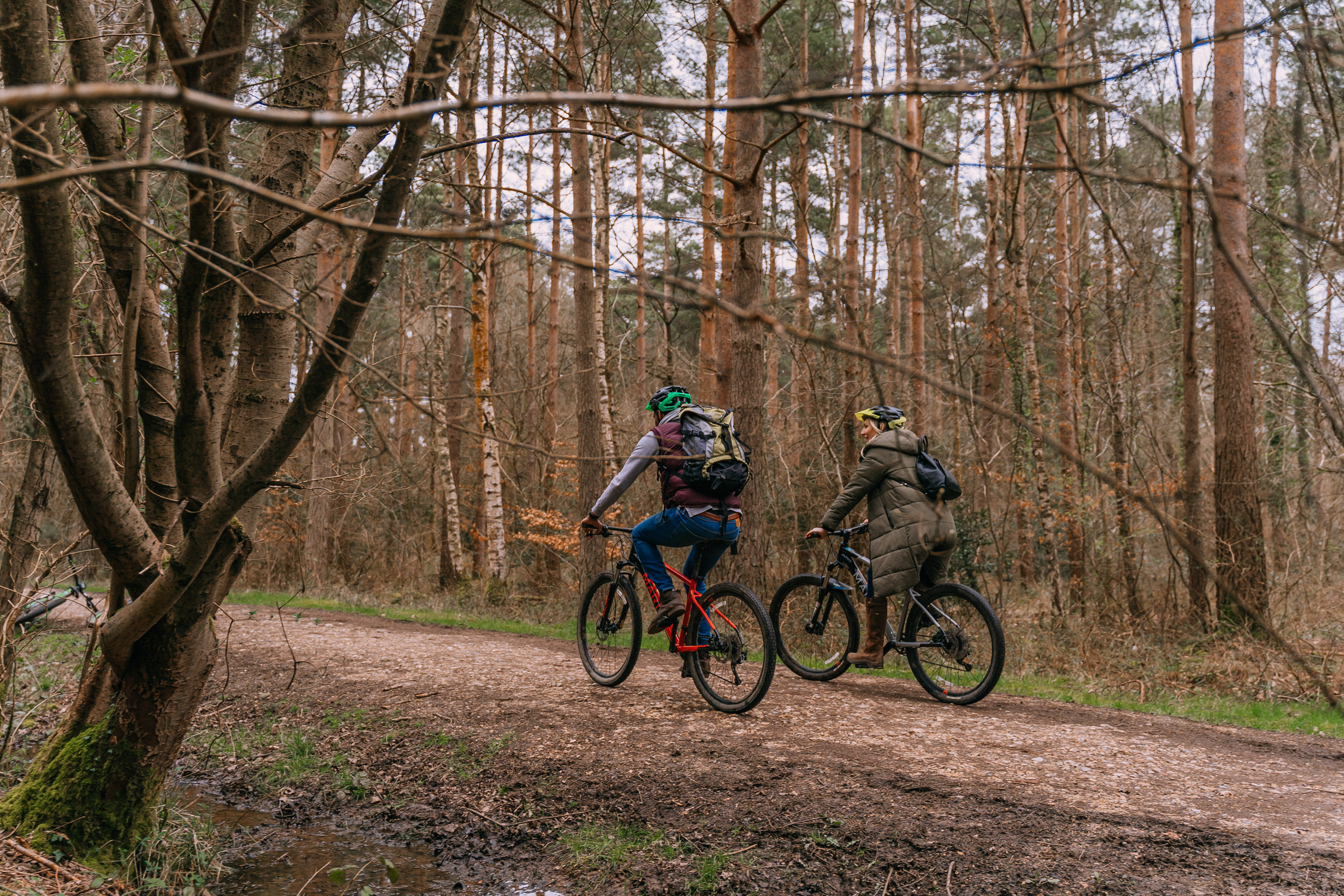
Forests provide wider benefits to the people who use them, and these are far from intangible. In 2021, woodlands in England saved £141 million in costs associated with mental health illnesses, based on avoided anxiety and depression related costs.5 This included fewer GP visits, prescriptions for medication, inpatient and outpatient health, social care and fewer working days lost related to mental health.
Not only are forests creating jobs, but they’re also helping people to stay in them.

Why this matters beyond the forestry sector
This is just a snapshot of how forests contribute to the economy. As we know, there are many more environmental benefits forests provide, from air pollution control, flooding regulation, noise mitigation and more, that all support the economy to function the way it does.
A report in 2024 led by the Green Finance Institute, set out how nature underpins economic activity. It found that £930 billion of UK bank and insurer financial assets are at least moderately directly dependent on environmental benefits from nature, with £179 billion of these being ‘highly’ or ‘very highly’ directly dependent on them.6 Forests are a vital part of that picture – one piece in a broader mosaic of nature, but an indispensable one.
From jobs and supply chains to health and productivity, forests quietly underpin large parts of the UK economy. On this International Day of Forests, it’s worth remembering that the same woodlands where children jump in muddy puddles are also the ones helping to support our economy.
Managing our existing woodlands well and creating new forests where appropriate, will help strengthen local economies and support a more resilient future.
Discover further guidance on woodland creation, grants and available support and information on how to manage your woodland on our GOV.UK pages.
- Forest Research Forestry Statistics 2025. Chapter 3: Trade ↩︎
- Forest Research Forestry Statistics 2025. Chapter 7: Employment and Business ↩︎
- Forest Research Forestry Statistics 2025. Chapter 7: Employment and Business ↩︎
- Scottish Government – Supply, Use and Input-Output Tables: 1998-2022 ↩︎
- Forest Research – Valuing the mental health benefits of woodlands ↩︎
- Green Finance Institute – Assessing the Materiality of Nature-Related Financial Risks for the UK ↩︎
Leave a comment