 Robin Gray, Landscape and Woodland Design Advisor, explains how designing a woodland with landscape in mind and following the UK Forestry Standard (UKFS), can result in greater efficiencies and benefits for you and the environment.
England has such a great diversity of landscapes. From the mountains, hills and lakes of the Lake District to the patchwork of heathland and woods in the downs.
Landscape has played a significant role in shaping our national identity. In fact, the 18th-century English Landscape Movement and its leading designer, Capability Brown, are recognised worldwide for their naturalistic style and informal designs.
In this blog, I'll share the importance of landscape and woodland design principles to ensure your woodland design complements its local surroundings with guidance from the UK Forestry Standard.
Why landscape matters
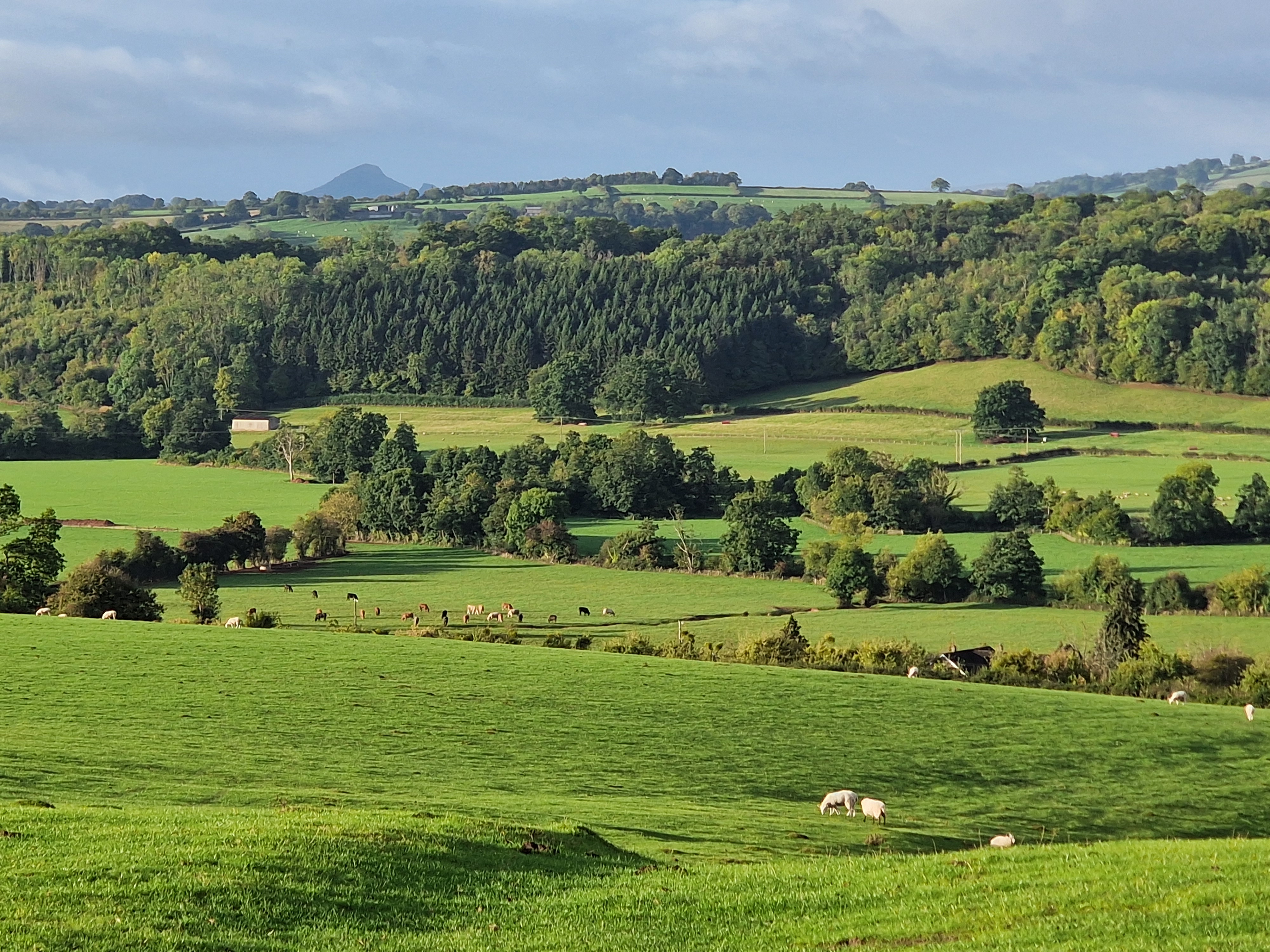
Landscape is not just about how a place looks but how it reflects the relationship between natural features, human activity and how people experience an area.
An understanding of landscape context and how to apply good design practice is fundamental to creating a quality woodland that meets your objectives and society’s needs, while complementing and enhancing our diverse landscape character.
The UKFS states that:
"New forests and woodlands should be located and designed to maintain and enhance the visual, cultural, ecological value and character of the landscape."
Integrated woodland design: a holistic approach
Integrated design brings together specialisms often considered separately, in a coordinated way. It is particularly beneficial for woodland creation, that involves such a wide range of specialists from foresters, land agents and landscape architects to ecologists, historic environment specialists, the public and statutory stakeholders.
Whatever the objectives and scale of your woodland – integrated design has 3 key elements you should follow:
- Understand the landscape context – of both the site and setting of new woodland proposals by undertaking a landscape character appraisal.
- Apply the 7 UKFS woodland design principles – spirit of place, unity, landform, pattern of enclosure, scale, shape and diversity.
- Follow a woodland design process – from project inception through to survey, analysis and final design. This is particularly effective for inclusive engagement.
Understand the landscape context
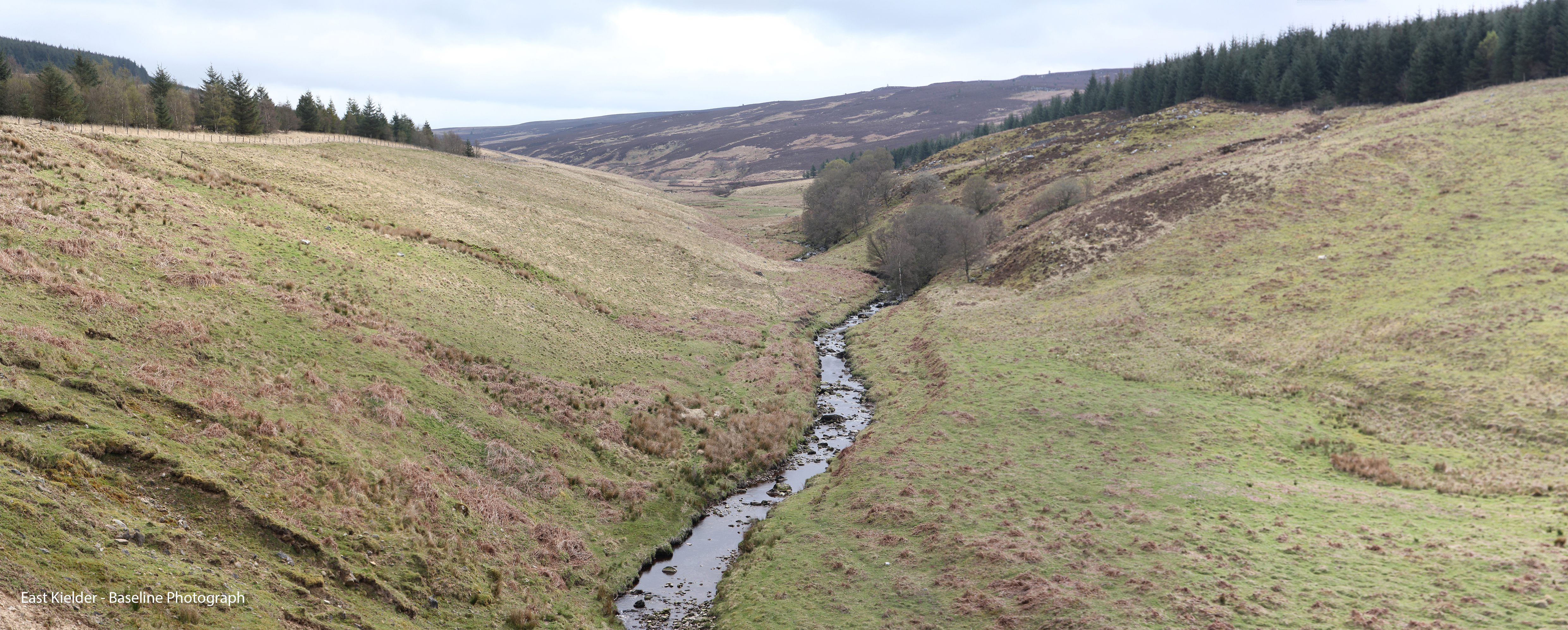
Landscape context describes the characteristics of the wider landscape including the physical landform, existing vegetation, land-use and heritage of an area. It helps us to understand the setting of a site and how it relates to its surroundings.
National Character Area profiles produced by Natural England are a good starting point for understanding landscape context, and the strategic environmental objectives for a landscape.
Landscape is not just limited to our protected landscapes (national parks and national landscapes), it applies everywhere.
Local authorities often produce their own landscape character assessments. Some local authorities, community forests and protected landscapes have developed specific plans for woodland creation that identify opportunities and sensitivities through woodland strategies or local nature recovery strategies. For example, the Great Northumberland Forest's landscape research project considers opportunities for a tree-rich landscape.
Apply the 7 UKFS design principles
The 7 UKFS design principles help ensure that new woodland enhances landscape character and will often support wider objectives such as biodiversity and long‑term resilience.
These principles provide a lens for making decisions. Whether you are designing a community woodland, a habitat restoration project or a productive forest, they help to ensure that your new woodland fits the surrounding landscape. The principles include:
1. Spirit of place
This identifies what makes a location distinctive, in terms of its geology, landform, cultural history, vegetation patterns and visual qualities so woodland can reinforce the site’s inherent character rather than overwhelm it.
2. Unity
Ensures new woodland integrates visually and ecologically with its surroundings. Unity helps connect habitats and strengthen patterns across the landscape.
3. Landform
Landform influences woodland shape and the balance between open ground and canopy. Slopes will also dictate drainage and therefore tree species choice.
4. Pattern of enclosure
Recognises historic and ecological significance of field boundaries, hedgerows, walls and woodland edges. Designs should reinforce or sensitively adapt existing enclosure patterns.
5. Scale
Considers how woodland fits within the broader landscape – from expansive uplands to intimate valleys, and how internal spaces evolve as the woodland matures.
6. Shape
Organic, landform‑led shapes can help woodland sit comfortably within the landscape, particularly in open uplands but lowland agricultural landscapes may be informed by a more dominant pattern of enclosure with woodland in more formal shelterbelts.
7. Diversity
Promotes both visual and ecological variety. Diversity supports resilience and habitat richness, while remaining sensitive to priority habitats.
Follow a woodland design process
When designing a new woodland, a landscape character appraisal can highlight the qualities that make a place distinctive. By integrating ecological mapping and historic environment data, this ensures that biodiversity and landscape considerations sit side-by-side.
In sensitive landscapes such as protected landscapes (national parks and national landscapes), historic estates, designated sites or major catchments – landscape character appraisals are important for demonstrating that new woodland creation will protect these important features in the landscape.
Important features and zones within the site that are less suitable for woodland planting are identified, appraised and mapped. Features such as non-woodland priority habitats, trees and scrub, historic monuments and the wider-historic or cultural context or popular viewpoints. Opportunities can then be explored to create connectivity between these elements and to retain links outside the site. A knowledge of underlying soils is also critical for trees to thrive.
Consultation
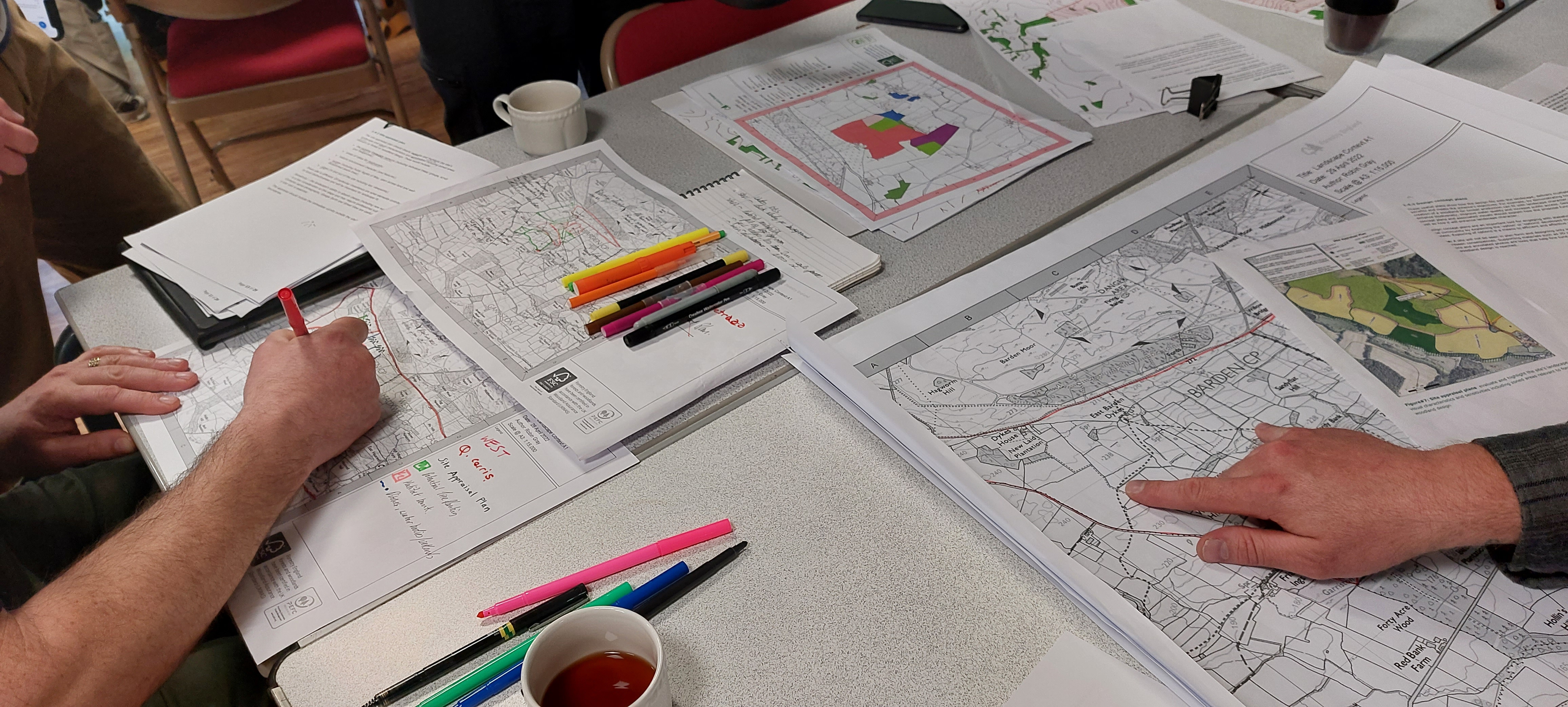
Plans and drawings are important tools when you engage with stakeholders and the local community, to be able to explain the option(s) developed through the design process.
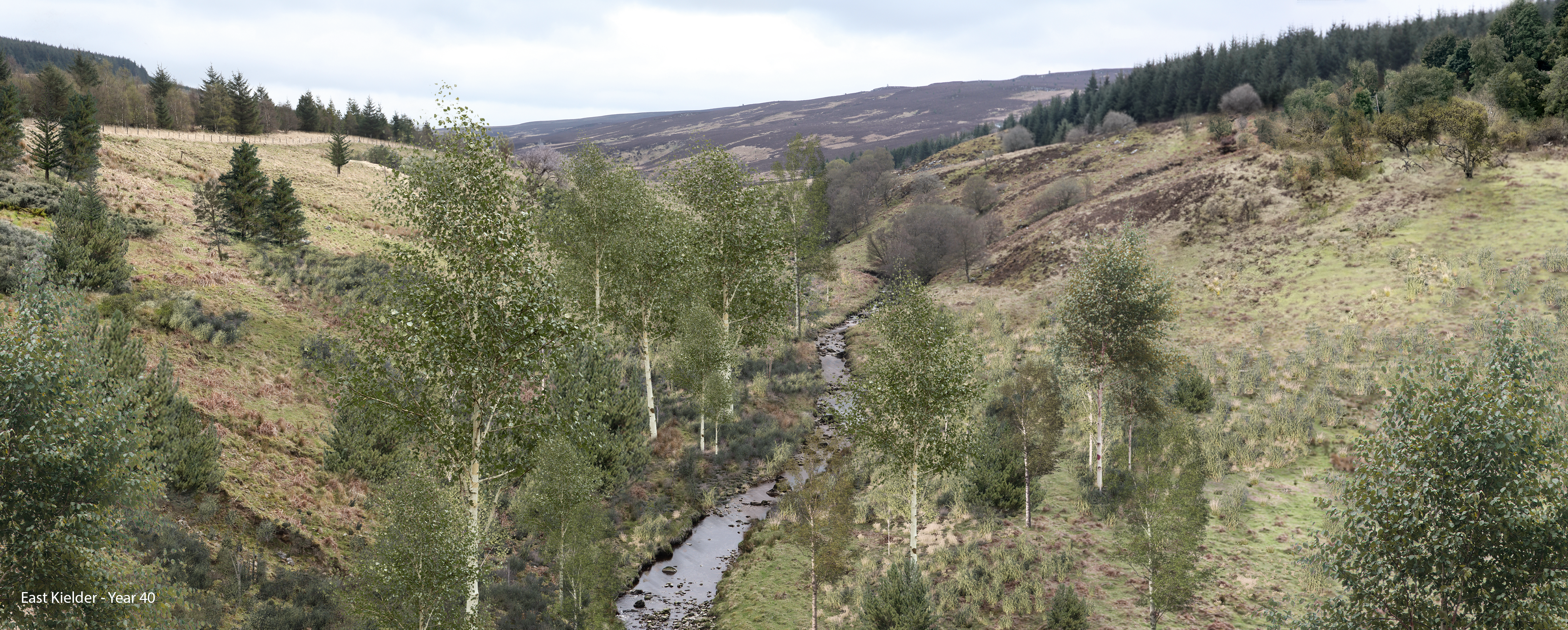
A site will not be seen in plan form: supporting materials such as 3D perspectives and panoramas can help visually communicate your woodland design. Supporting materials do not need to be complicated – simple, annotated photographs can convey most of your thoughts and may aid your thinking.
Designing your woodland
When designing your woodland, it’s important to consider:
Zoning
Zoning is a useful technique that can be used to support woodland concept development by matching woodland objectives to site conditions. For example, productive woodland stands are best located on richer, more sheltered soils, while fragile or species-rich habitats are often associated with thinner soils. Conversely, open, visually prominent or historically significant areas may be less suitable for woodland creation.
Open space
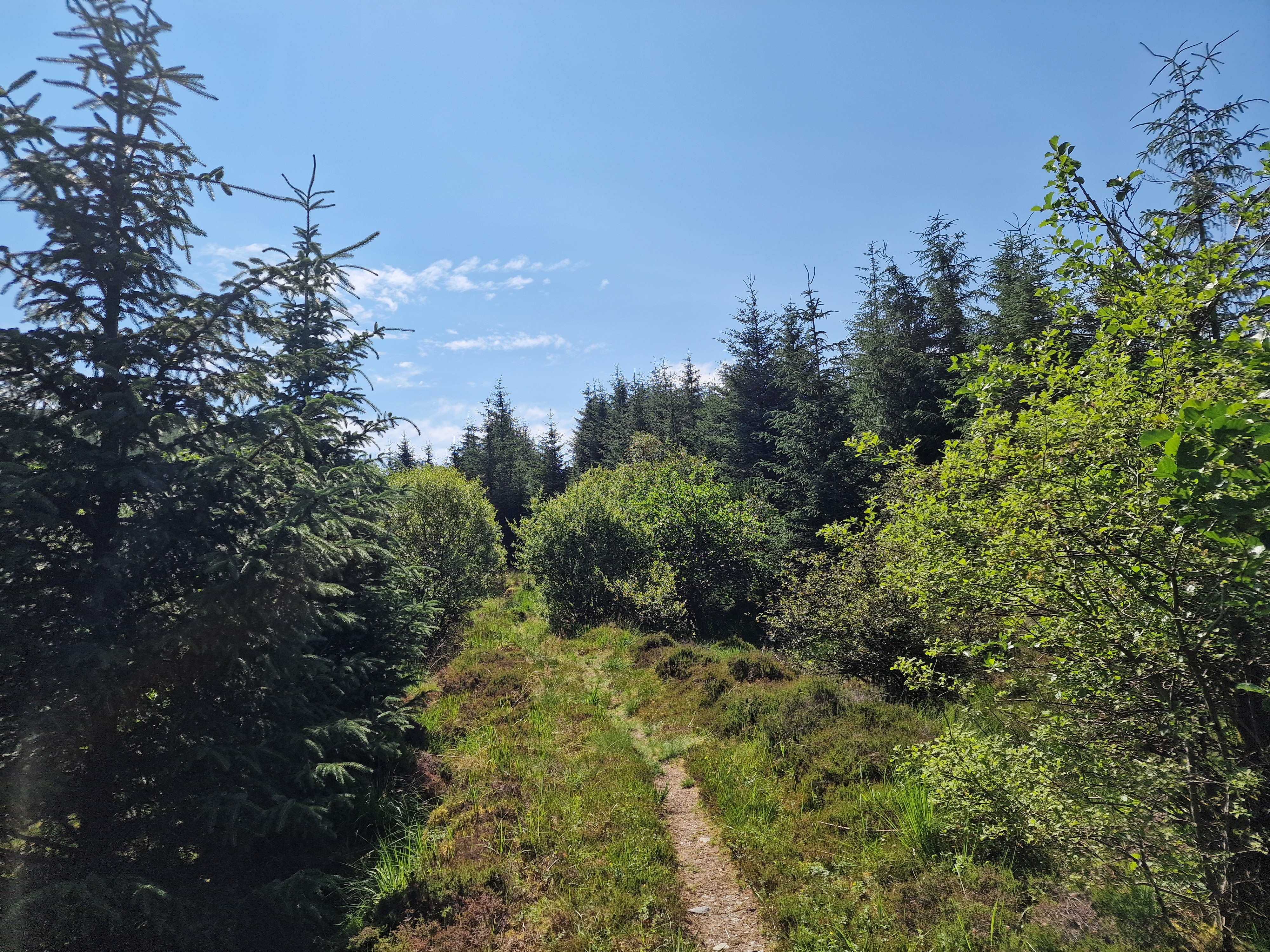
Species choice and planting arrangements are the most obvious decisions to make on site, but a good alternative starting point could be to consider the evolving network of open space within your woodland. A productive woodland should incorporate open space and a strong framework of broadleaf trees to create wildlife corridors that connect with the wider landscape.
Such a strong network of open space could fulfil many long-term objectives such as, site access, recreation or linking non-woodland habitat. You need to consider fencing and other tree protection in your design to mitigate and manage mammal damage to your trees.
Woodland edge
Planting does not necessarily need to go right to the boundary, as woodland edges are really important from a landscape and ecological point of view. For example, you can shape woodland edges to deliver high levels of light for invertebrates and ground flora. You can use rides and glades to create movement corridors for butterflies and birds. Also, planting a varied structure helps trees to be more resilient to high winds, drought and diseases.
Your woodland: a legacy for the future
Woodlands enrich our landscapes in many ways alongside the range of benefits they provide to wildlife, society, the economy and the natural environment.
Designing woodland is a creative process with problem solving at its heart. There are challenges to overcome to achieve establishment, whether they are through our changing climate or the threats from pests and diseases. However, when you plant a woodland that compliments the landscape, you will create a lasting legacy for future generations to enjoy.
For more detailed guidance read a guide to planning new woodland in England.

Leave a comment