 Andrea Deol, Head of Plant Health Forestry at the Forestry Commission, shares the successful eradication of Ips typographus from the 2022 outbreak sites and how to help prevent this pest from establishing in England.
Following the successful eradication of the eight-toothed spruce bark beetle (Ips typographus) from all 13 outbreak sites identified in 2021, I’m pleased to confirm that the majority of the 2022 outbreak sites found in south-east England have also been successfully cleared of this destructive pest. This is really positive news for our trees, woods and forests.
As Head of Plant Health Forestry, I lead on the operational work to detect and manage tree health issues, as well as mitigating plant pest and disease risks. In this blog, I’ll explain what this success means for you and your woodland, and how you can help reduce the risks from this pest.
Removing Ips typographus from 2022 sites
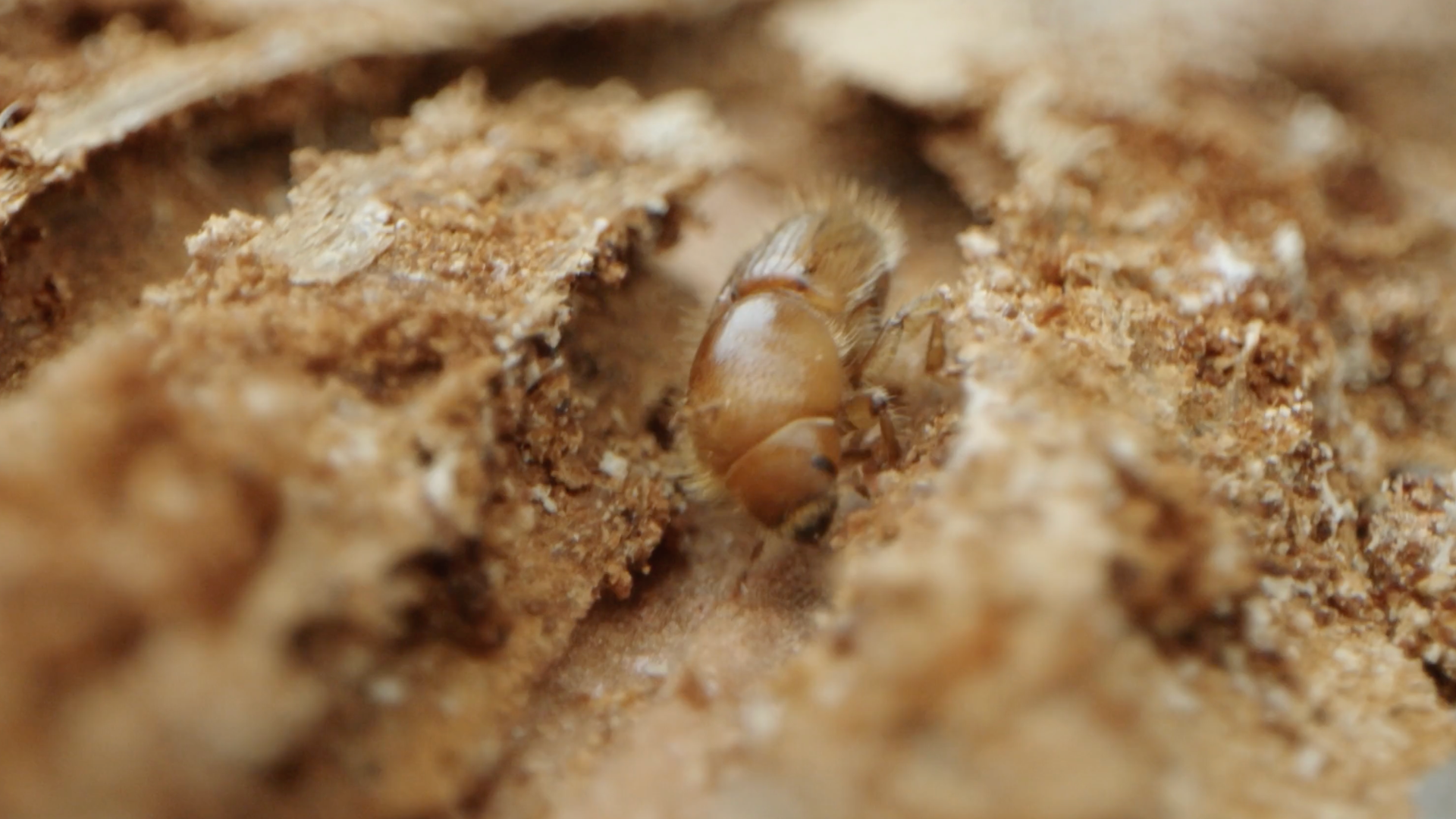
Back in 2022, 16 outbreaks of Ips typographus were found at woodland sites across Kent and Sussex, due to wind-assisted incursions of the beetle from continental Europe where it is endemic. Since then, these sites have been subject to robust management action and monitoring in line with international protocols. This requires 3 years of trapping and surveillance following the removal of infested spruce trees and those in close proximity.
We've successfully eradicated Ips typographus from 13 of the 16 sites following this process. Eradication means the elimination of breeding populations at individual outbreak sites. Thorough site walkovers have found no infested material, giving us confidence that the pest has been fully eradicated from these sites.
The remaining 3 sites will need some extra attention due to the existence of residual material after initial clearance work. As a precautionary measure, we have decided to extend our pheromone trapping at these 3 sites for another year. As no active breeding populations have been identified, eradication is expected to be confirmed at these sites next year.
Why eradication matters
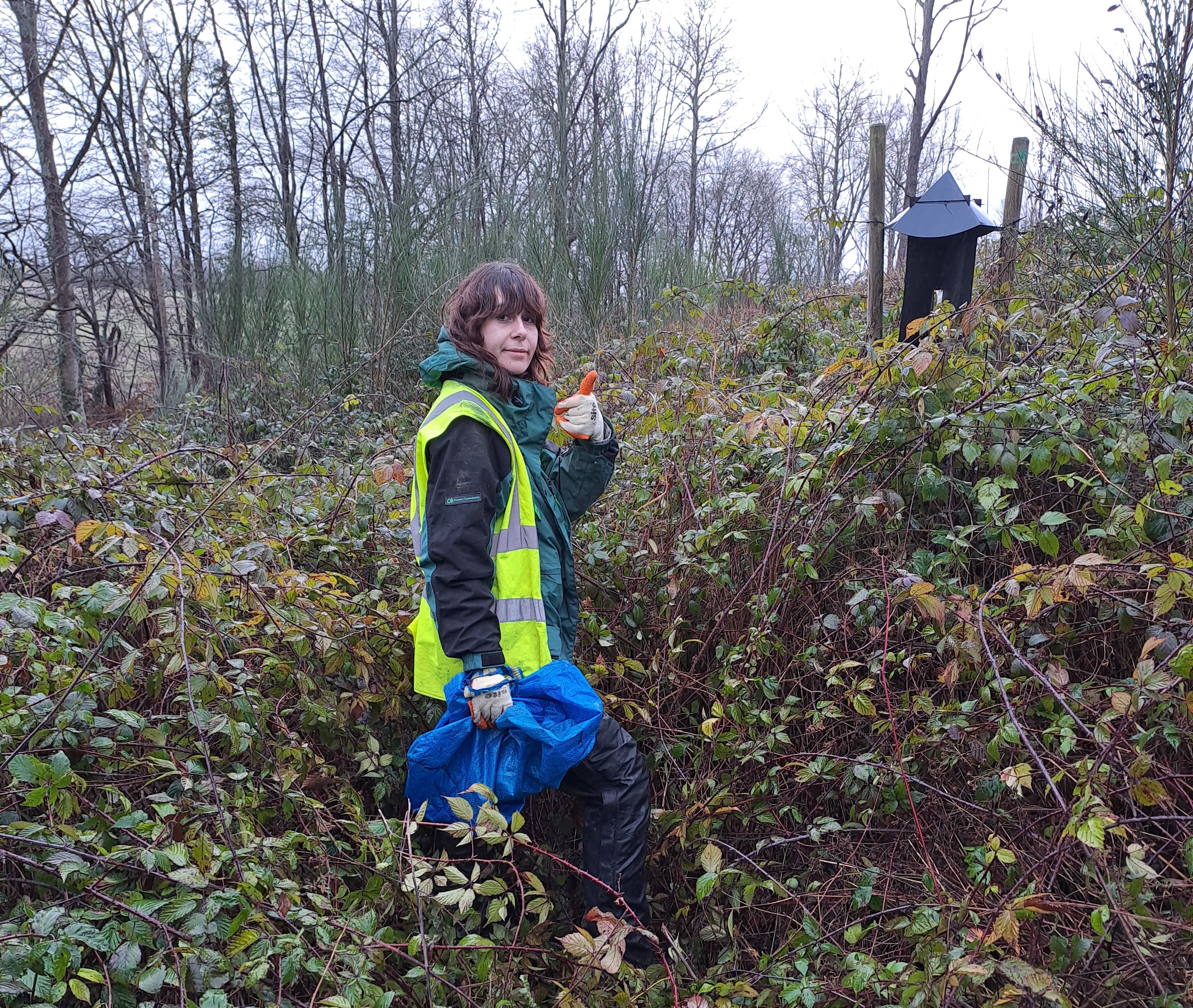
Eradicating breeding populations of Ips typographus at individual outbreak sites shows that our policy approach and operational activity – led by the Forestry Commission, Forest Research and the Department for Environment, Food and Rural Affairs – is working to prevent this pest from establishing in England.
We are very encouraged that our world-leading programme has successfully eradicated the eight-toothed spruce bark beetle from the majority of 2022 outbreak sites, building on the successful eradication of the 2018 and 2021 outbreak sites.
However, there’s a wider concern that's relevant to all woodland owners. With a changing climate, we’re seeing an ever-increasing risk from pests and diseases. This requires a huge effort by the Plant Health Service to mitigate risks and take action if outbreaks occur.
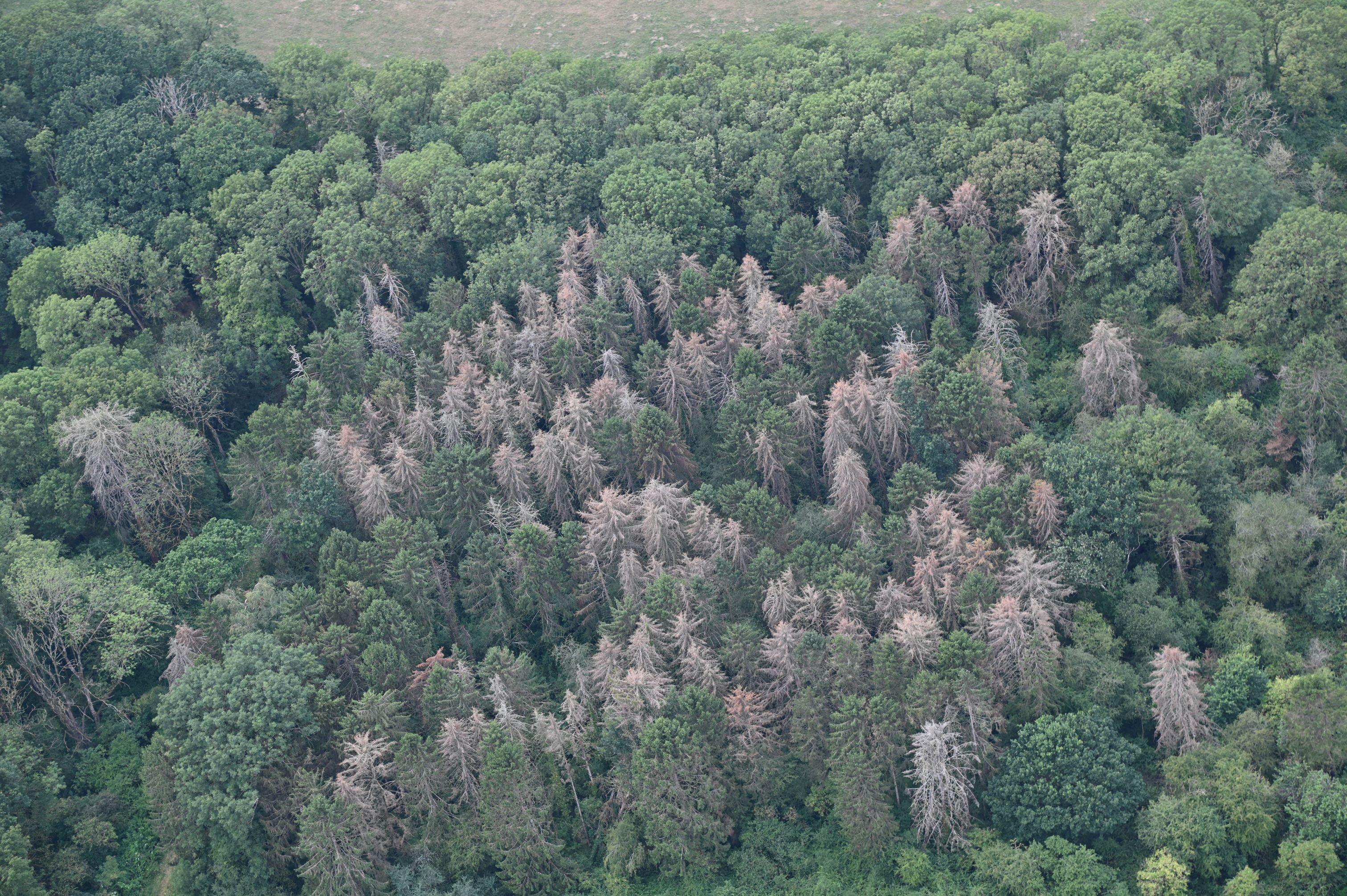
Spruce trees are vitally important to the UK's timber security, but warmer and more extreme weather increases the risk of trees becoming stressed and more vulnerable to Ips typographus, particularly in higher risk areas such as the south and east of England.
An encouraging trend
Alongside the successful eradication of the 2021 outbreak sites and most sites identified in 2022, our robust surveillance programme continues to detect new outbreaks at a very early stage.
Most sites involve low-level infestations, with small pioneering breeding populations and low beetle numbers. This is encouraging and demonstrates that our integrated approach, combining pheromone trapping, aerial surveillance and ground inspections, are helping us to find outbreaks early, when eradication measures are most effective.
However, there is no room for complacency. Ips typographus continues to arrive from continental Europe, with new outbreaks detected and managed each year following wind-assisted incursions.
While most outbreaks are small and localised, their detection reflects the strength of our surveillance programme and our ability to respond rapidly. Continued vigilance from woodland owners and managers, alongside extensive trapping, aerial surveillance and ground inspections, remains essential to protect UK forestry.
How you can help beat the beetle
There's a role for every spruce woodland owner to play. It’s important to:
- keep checking the health of your spruce trees regularly, particularly during the flight season (early March to the end of August, but this season is dependent on weather and climate conditions) and after storms
- pay special attention to lowland spruce on clay soils as they are especially vulnerable to stress in hot and dry weather conditions, which can make them more susceptible to infestation
- report any suspect sightings of this pest or tree health symptoms immediately via Tree Alert – early reporting genuinely makes a difference to how quickly we can respond
- continue to comply with the movement restrictions for spruce material and forest operations if your land falls within the Ips typographus demarcated area
Working together to prevent Ips typographus establishment
The fight against Ips typographus will require continued effort and vigilance from everyone involved.
If you’d like to get more directly involved, you can join the national monitoring project run by Forest Research, Forestry Commission and the Sylva Foundation. If you own or manage woodland with spruce in England, Wales or Scotland, you can volunteer to host a bark beetle trap and help collect samples. It's a great way to become part of the early warning system that helps us catch outbreaks before they take hold.
If you own woodland with spruce in the proactive spruce removal area, financial support is available to help you manage your woodlands to reduce risk. Available grants include:
- the Spruce Site Assessment grant, which is designed to help you assess the susceptibility of your spruce and plan for felling and restocking
- tree health pilot grants that can help you fell, restock and maintain new trees if your spruce trees are at risk within the proactive spruce removal area
Proactive spruce management can reduce the risk of the pest, protect tree health and woodland value, maximise timber production and give you greater flexibility and time to plan.
If you own or manage a spruce woodland, please keep checking the health of your trees, report anything unusual and make use of the support and grants on offer.
Early detection and management are essential to prevent outbreaks. Together, we can help prevent this destructive pest from establishing and protect our trees, woodlands and forests.
Watch our short Ips typographus: beat the beetle video for more information and practical advice.
Leave a comment