The importance of woodland and trees to UK bats
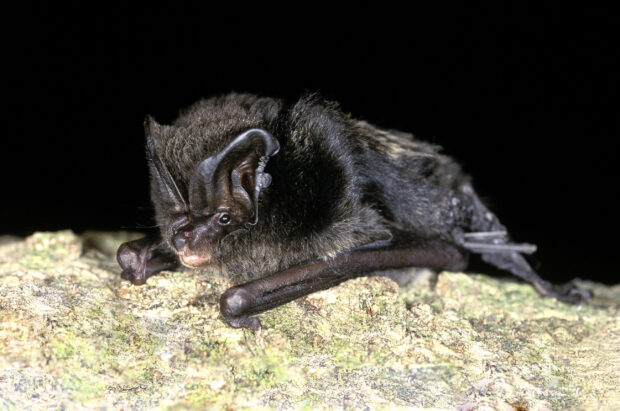
...the UK and are the top nocturnal predators of flying insects. Most of the 18 bat species found in the UK evolved to use trees as roosts, while many also...
...the UK and are the top nocturnal predators of flying insects. Most of the 18 bat species found in the UK evolved to use trees as roosts, while many also...
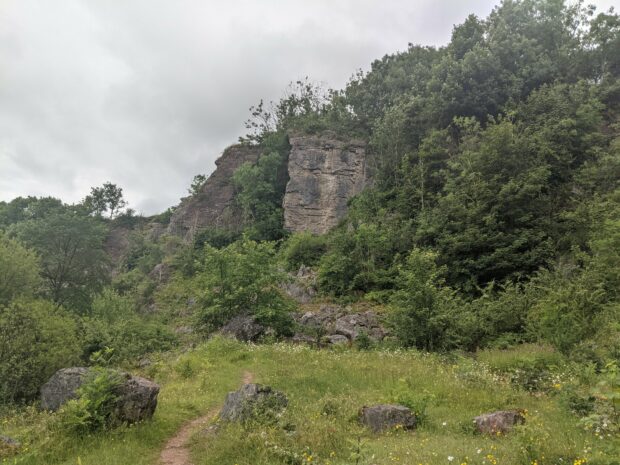
...dominated, there is ongoing conservation work to maintain the nature reserve. In 2021, fell ponies were brought to the site temporarily to graze on the scrub to allow the wildflowers...
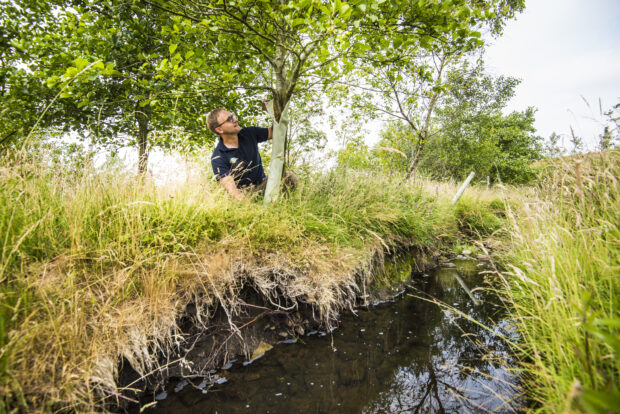
...and they provide us with amazing places to enjoy. For our trees, woods and forests to thrive, they need to be cared for, managed and cherished. This is where you...
...horizon scan? In 2023, I was privileged to have the opportunity to bring together a panel of experts to undertake a horizon scan looking at the key issues facing UK...
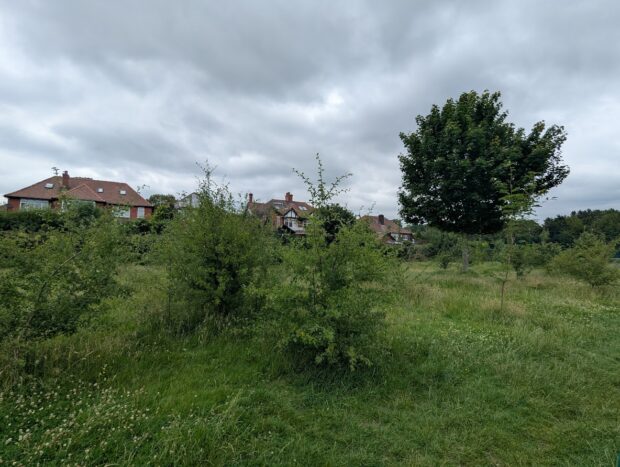
...still believe there is a significant amount of work to be done to ensure trees and woodlands can continue to benefit our towns and cities. This is why we have...
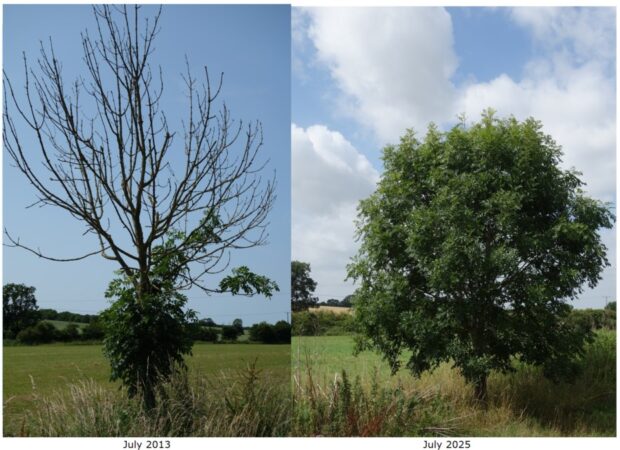
...canopy will become increasingly sparse and thin. For more information and resources on how to identify ash dieback, you can visit Observatree’s ash dieback page, or watch How to identify...
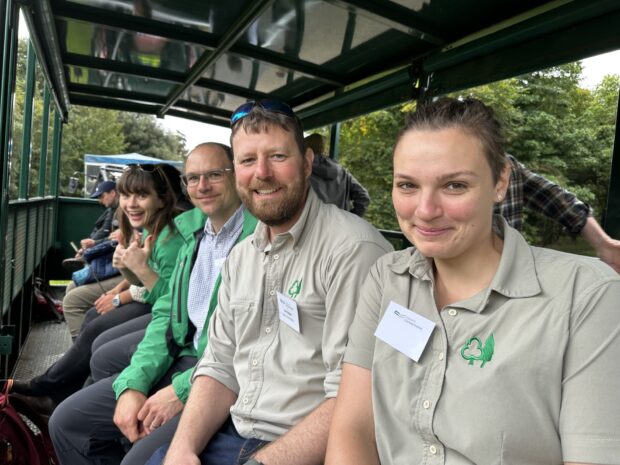
...a toolkit of skills to match. I’m quietly confident to say that I feel like a forester. I’m excited that my future career will enable me to keep working with...
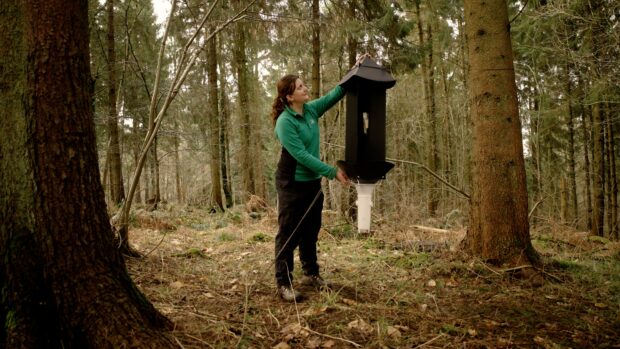
...need to know about is Ips typographus, commonly known as the eight-toothed spruce bark beetle. This beetle represents a significant threat to spruce trees across Great Britain. Fred Toft (right)...
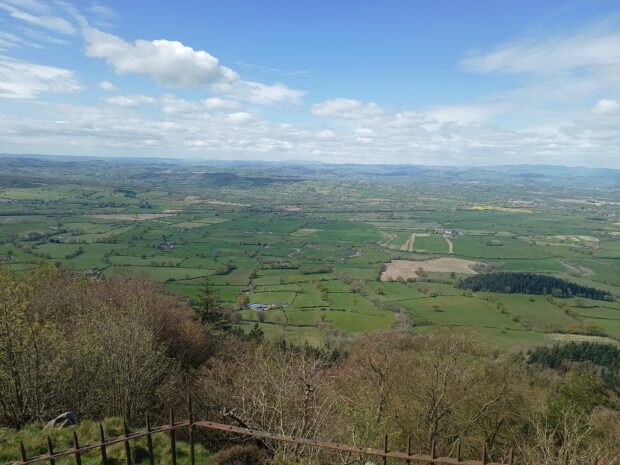
...to escape via what is usually (unfortunately) a drive to the woods. I like to hope that my children do too as they frequently get dragged along regardless, to discover...
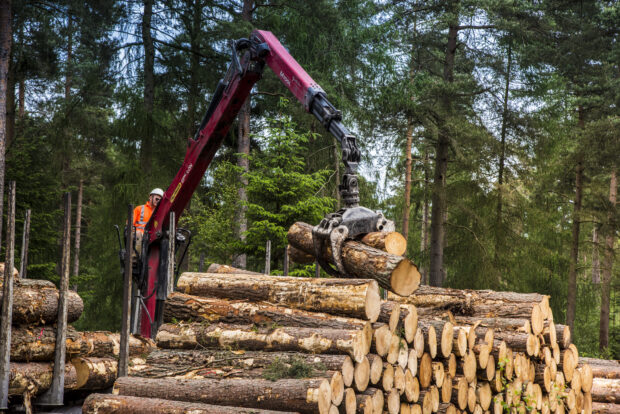
...In the face of climate change, our forests need to remain healthy and resilient to continue to produce timber and deliver valuable benefits to nature and society. Sustainable forestry promotes...
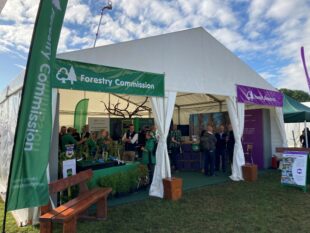
We attend a range of events to meet customers and give advice and guidance on planting and managing woodland.
We also hold face-to-face and online training events on specific grant schemes and areas of forestry.
See our calendar of events.
See Civil Service Jobs for current vacancies at the Forestry Commission.
Read stories from our staff on the work that they do.
Sign up to our eAlerts to receive the latest information, advice and news from the Forestry Commission on a local and national scale.