Into the woods: growing up with the trees
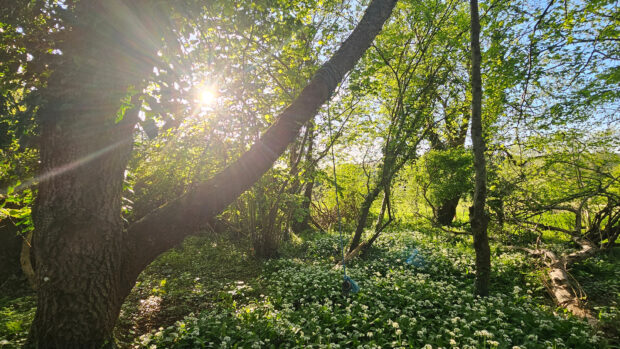
...father died nine years ago he made it clear that it was of great importance that the wood remain in the family as a legacy to continue to be enjoyed....
...father died nine years ago he made it clear that it was of great importance that the wood remain in the family as a legacy to continue to be enjoyed....
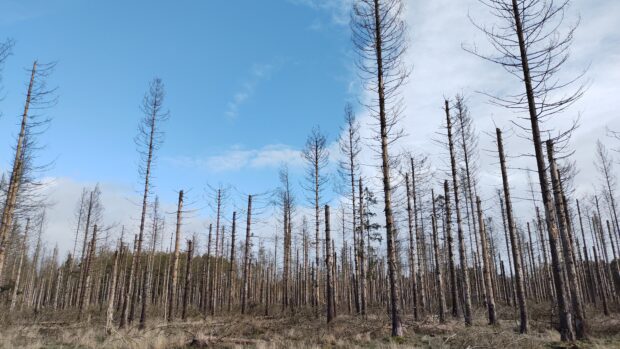
Dr Daegan Inward is a Senior Scientist at Forest Research working on the threats to UK trees and woodlands from Ips typographus. In this blog, Daegan shares his insights into...
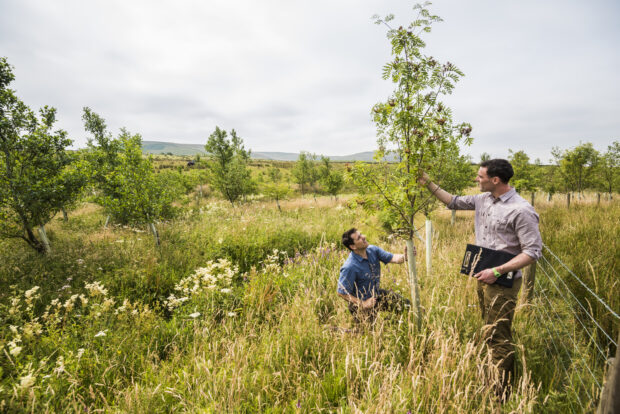
...woodland resilience, which aims to increase the mixture of tree species and structural diversity in woodlands through change to management activities. The purpose is to make woodlands more resilient to...
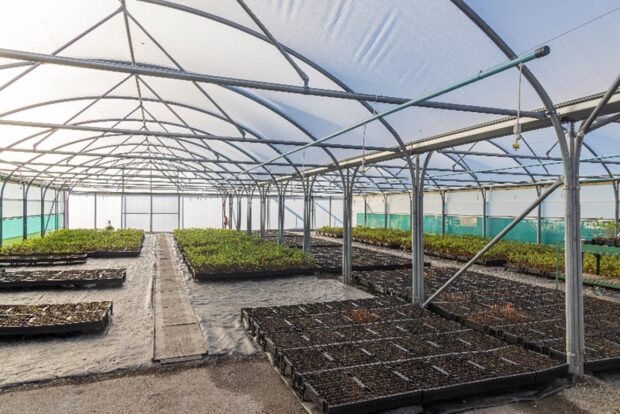
...purpose The first site at HMP Haverigg in Cumbria is already growing over 250,000 saplings, with two more prisons set to join the initiative soon. The programme delivers three key...
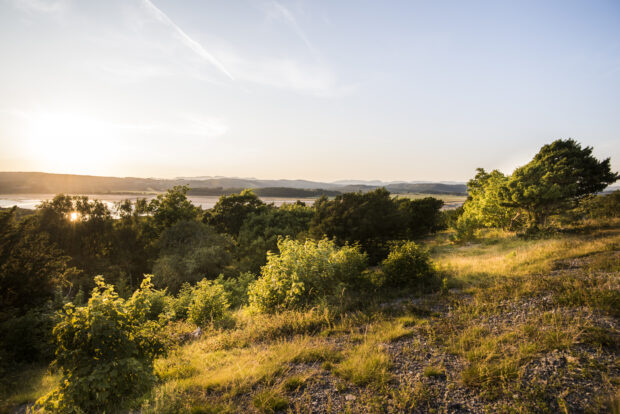
...and pollinators The extra sunlight that streams into these areas encourages a mix of plants to flourish, creating perfect conditions for insects that have formed very specific relationships with certain...

...send the leaf spiralling towards the ground. Without leaves, trees can enter dormancy to dramatically conserve their energy. They retain moisture within their woody tissues to prevent dehydration, whilst their...
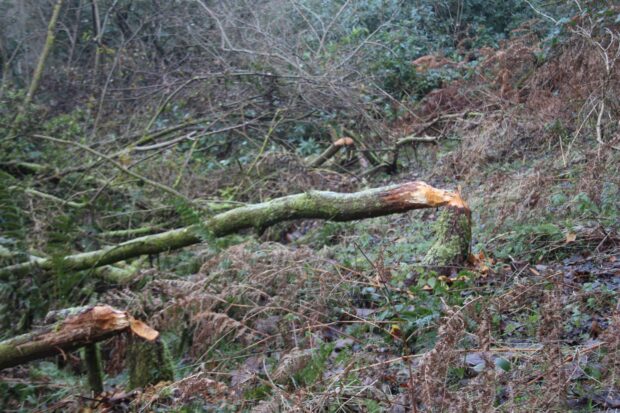
...an important role in woodland ecosystems and agroforestry (integrating trees into farming systems). But wild, domestic and feral mammals can all cause significant damage to trees, potentially impacting woodland creation...
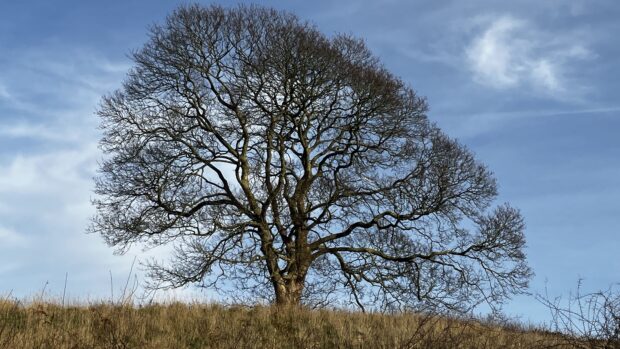
...Derbyshire. Four characteristics to help identify trees in the winter When identifying trees in winter, there are four characteristics to look at: general shape of the tree bark twig structure...
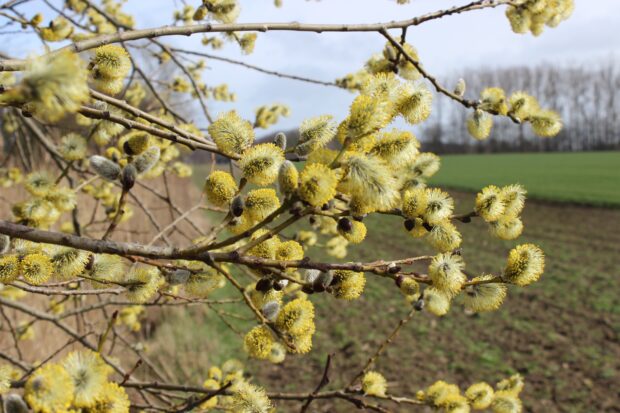
...organic matter to the soil surface, feeding the microbial communities that drive nutrient cycling. Incorporating catkin-bearing species into your woodland Catkins are easy to overlook – they emerge briefly before...
...cultural benefit to society of improvements in forest biodiversity. Via surveys, focus groups and one-to-one interviews, the public were asked about their willingness to pay for improvements to forest biodiversity...
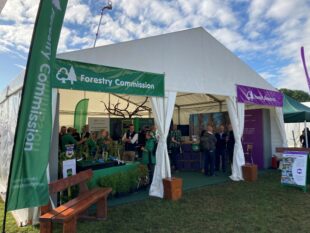
We attend a range of events to meet customers and give advice and guidance on planting and managing woodland.
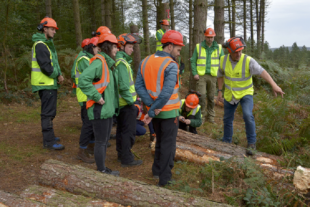
We also hold face-to-face and online training events on specific grant schemes and areas of forestry.
See our calendar of events.
See Civil Service Jobs for current vacancies at the Forestry Commission.
Read our careers blogs for an insight into forestry careers.
Sign up to our eAlerts to receive the latest information, advice and news from the Forestry Commission on a local and national scale.