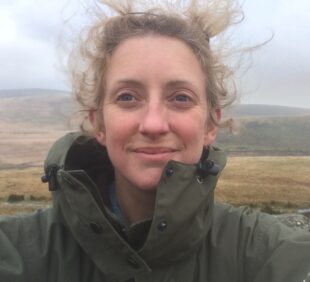
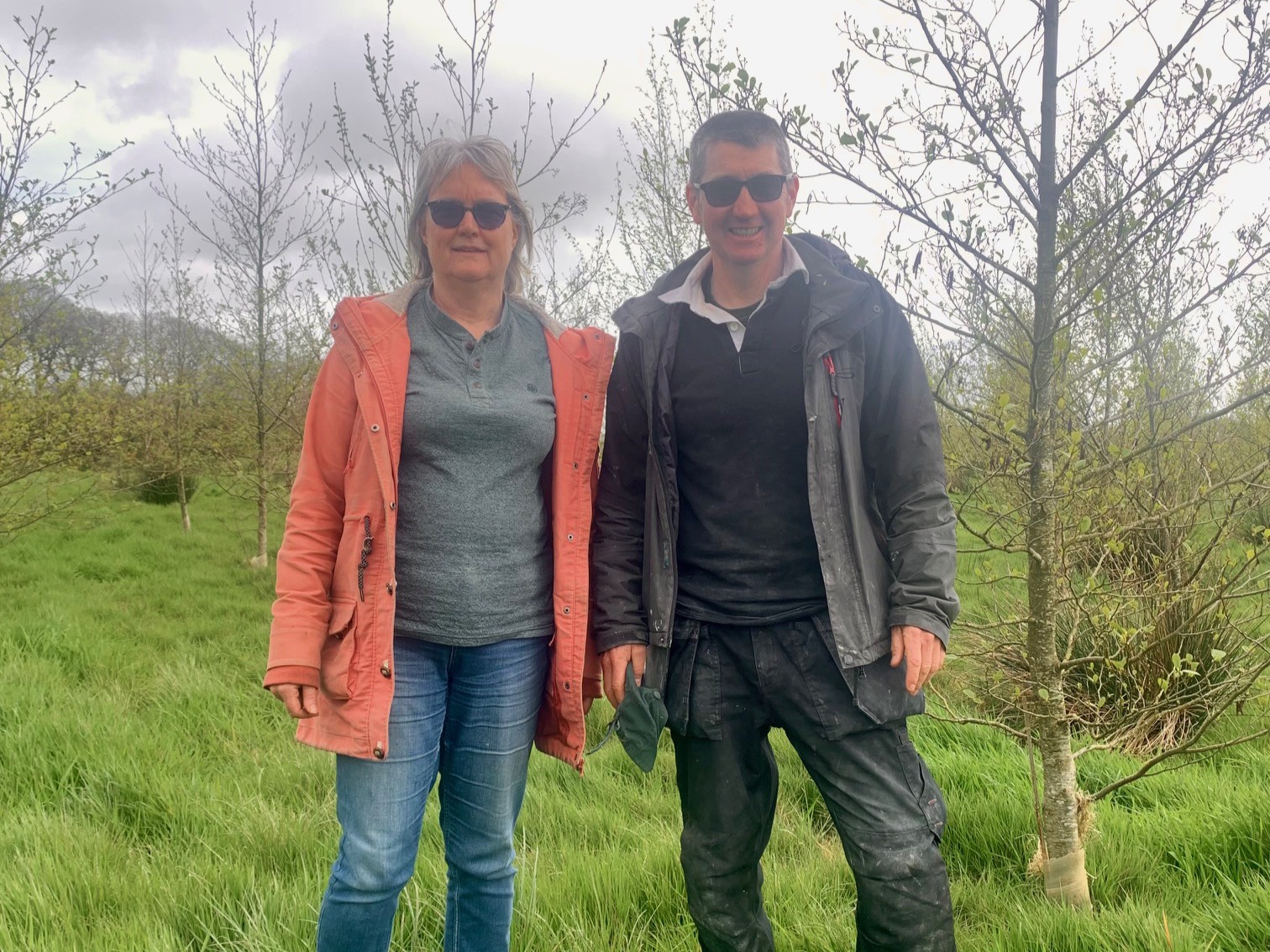
Jo Garlick, Regional Promotion and Engagement Manager at the Forestry Commission, shares how Woodland Ambassadors Rob and Catherine Moore successfully diversified their farm business through woodland creation at Yeomadon Farm.
In a quiet corner of North Devon, more than 3,000 trees are quietly taking root and with them, a new future for one farming family.
Rob and Catherine Moore planted their first trees in 2022, though the journey that led them there began many years earlier. When I first visited the farm, a sense of deep-rooted history was immediately apparent. Their 50‑hectare lowland farm has been in the family since the 1920s and, like so many farms, has evolved continually over the past century – Rob’s father, for instance, started the holiday cottage business in the 1980s. Diversification, it seems, runs in the family.
Their resilience and pragmatic approach inspired me to tell their story more widely. Just as they opened their doors to other local farmers to host a farm workshop, they have generously shared their experiences and insights with me for this blog.
A changing farming landscape at Yeomadon
For generations, the farm operated as a dairy enterprise. Rob’s parents bought the farm more than 60 years ago and ran a successful dairy business for many years. By the time Rob and Catherine took over, the farming landscape at Yeomadon had changed and they began to ask hard questions about the direction of the business. Rising operating costs, unstable market prices and growing demands all played a part and by 2008, the costs of the “three Fs” – feed, fuel and fertiliser – were making it increasingly difficult for them to see a clear path forward.
The business later transitioned to organic beef production, but after weighing up the options, Rob and Catherine concluded that a more fundamental change was needed. With their daughter deciding not to pursue a career in farming, the time felt right to think differently about the land’s future. When Rob explained this to me, I was struck by how matter of fact he was about it – not defeatist, just pragmatic. They had reached a fork in the road and needed to choose a direction.
Spotting an opportunity
In 2020, a small advert in a local agricultural store caught their attention. It offered advice on the opportunities for tree planting on farms. Without hesitation, they picked up the phone and invited an agent to visit the farm.
There was growing interest in woodland creation and grant schemes were becoming increasingly appealing. The idea of taking 18 hectares out of production, land that was wet, difficult to manage, unproductive and ultimately unprofitable, began to make sense.
The following year, the England Woodland Creation Offer (EWCO) opened. EWCO would cover planting costs and offer long-term income opportunities through timber production and the Woodland Carbon Code. For Rob and Catherine, the figures stacked up.
Sitting at their kitchen table, they made the decision. They didn’t see it as a risk, instead viewing it as the next step to secure their future and have never looked back. Having seen the woodland taking shape on that same farm, I’m inclined to agree with them!
Turning plans into reality
Their agent first guided them through the Woodland Creation Planning Grant, which provided the funding to prepare a woodland creation design plan. With the design in place, they were then able to move forward with a successful application to EWCO.
Support from the agent helped with woodland design and tree species selection, as well as navigating the application process and ensuring the planting complemented the local landscape. They later received confirmation that their agreement had been approved.
To fund the initial outlay, Rob and Catherine sold their remaining herd of cattle. Though Rob had little forestry knowledge, he took an active role in the project, drawing on skills developed over decades of farming. He put in the deer fencing, marked out the planting areas and oversaw the work on the ground.
That hands-on approach didn't surprise me at all as it's very much in keeping with the practical, get-it-done attitude that comes through whenever you spend time with him. I’ve yet to meet a farmer who doesn’t have a degree in fixing things or coming up with an ingenious way of solving a problem.
When the final trees were planted and the grant was paid, just a month after submitting the claim, it became clear that funding had covered the full cost of planting, and more.
A diversified and resilient business
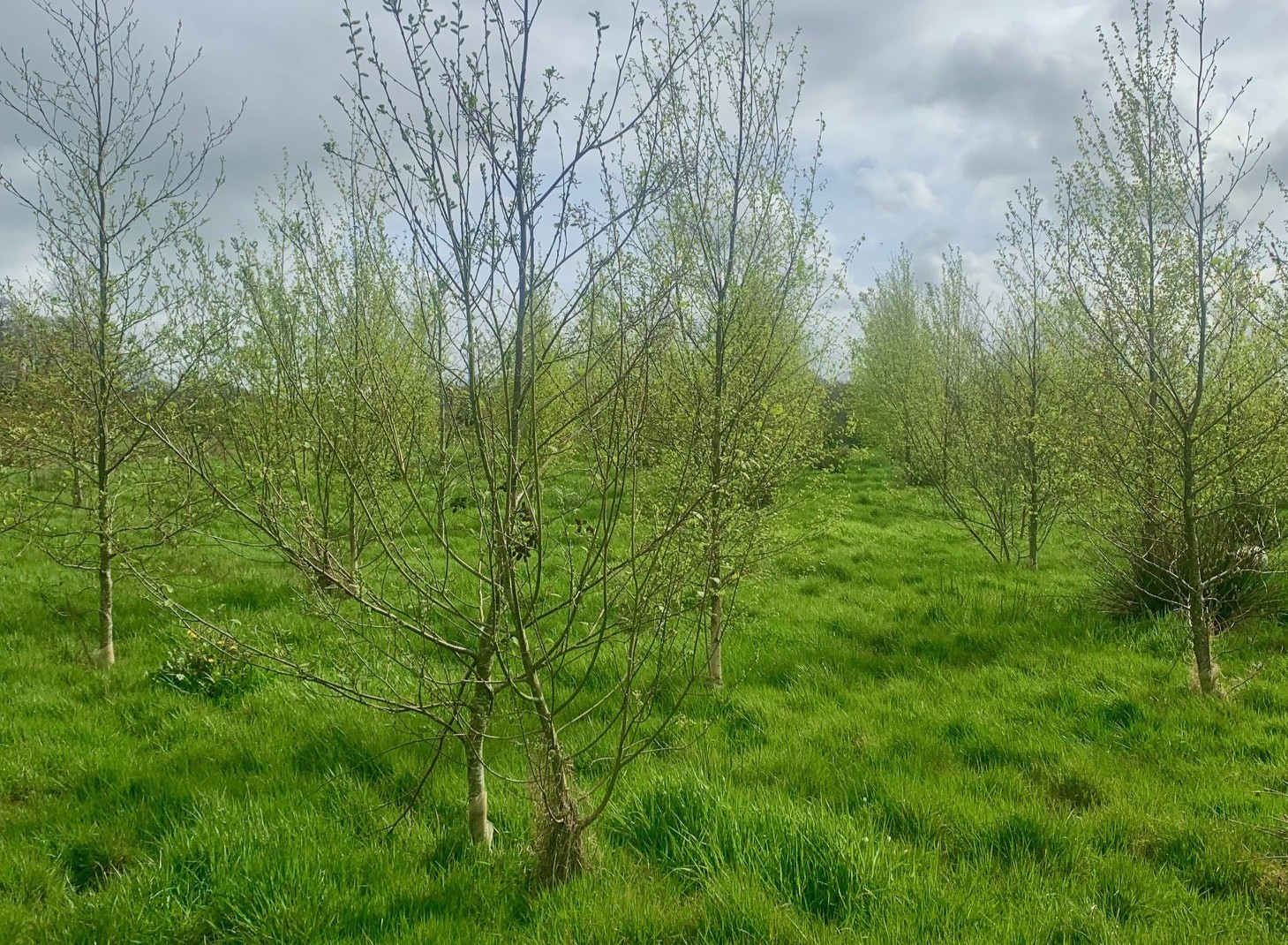
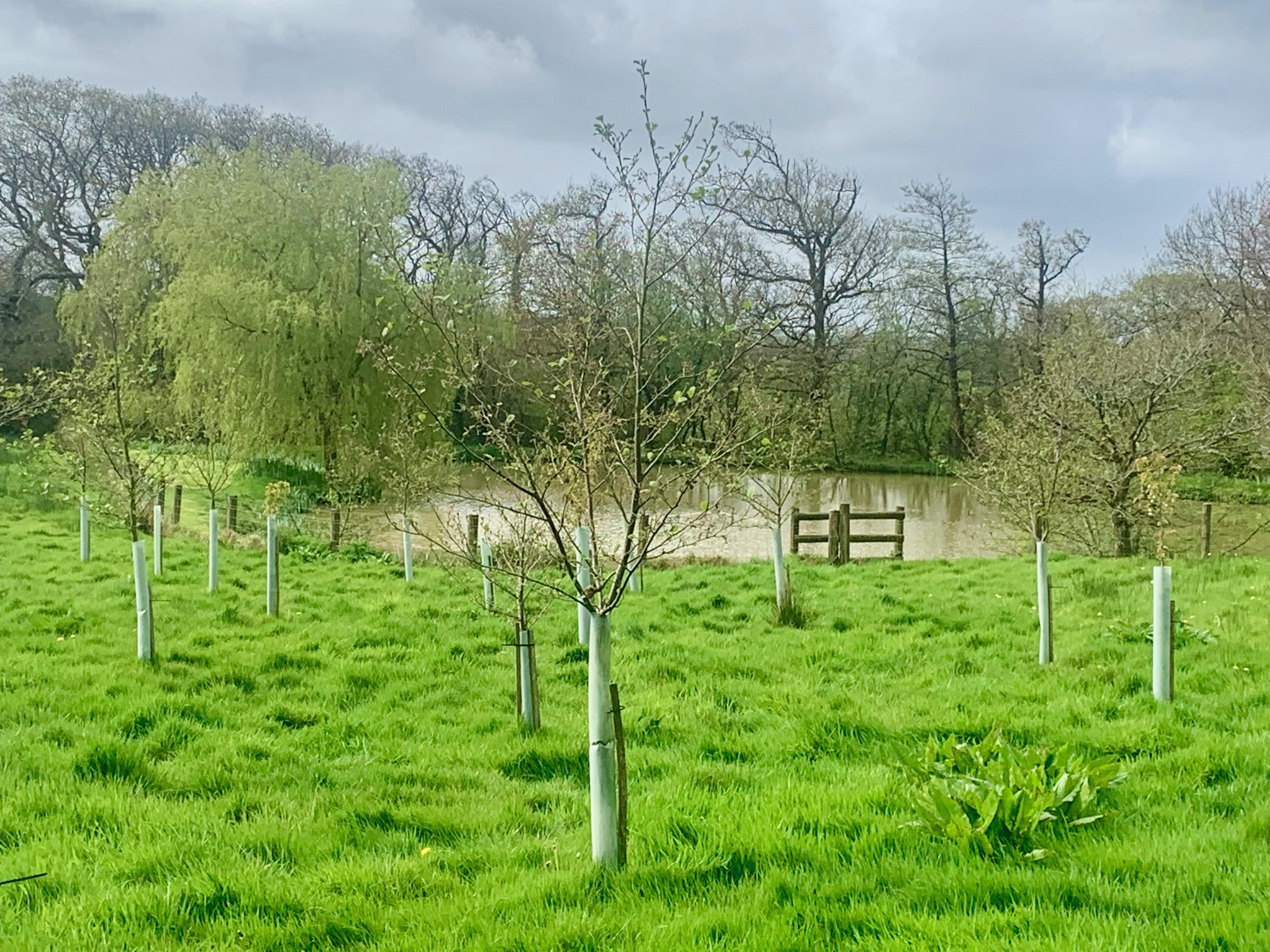
Today, the new woodlands complement the farm’s other enterprises. Native trees now surround four fishing lakes, creating an idyllic retreat for visitors staying in their holiday cottages. Nearby, productive areas of Sitka spruce, lodgepole pine, Norway spruce and western red cedar blend seamlessly into the wider landscape. Walking through it on a recent visit, it's genuinely hard to imagine this land as the challenging, waterlogged field it once was.
A small domestic solar installation helps lower costs and provides a small amount of income, while most of the remaining farmland is rented to a neighbouring farmer, providing valuable high-quality grazing.
Wildlife has also thrived with more birds than ever, and the woods are teeming with birds and insects. It was a real joy to listen to Catherine describe her genuine amazement about the number of spiders thriving in the new woodland. For her, their presence was a remarkable sign of how quickly the habitat was establishing and developing into a rich ecosystem.
This rich biodiversity is vital for the health of both the woodland and the farm, and has improved pollination, soil health, drainage and resilience not only to Rob and Catherine's farm, but the neighbouring farms who are reaping the benefits too.
Five years on
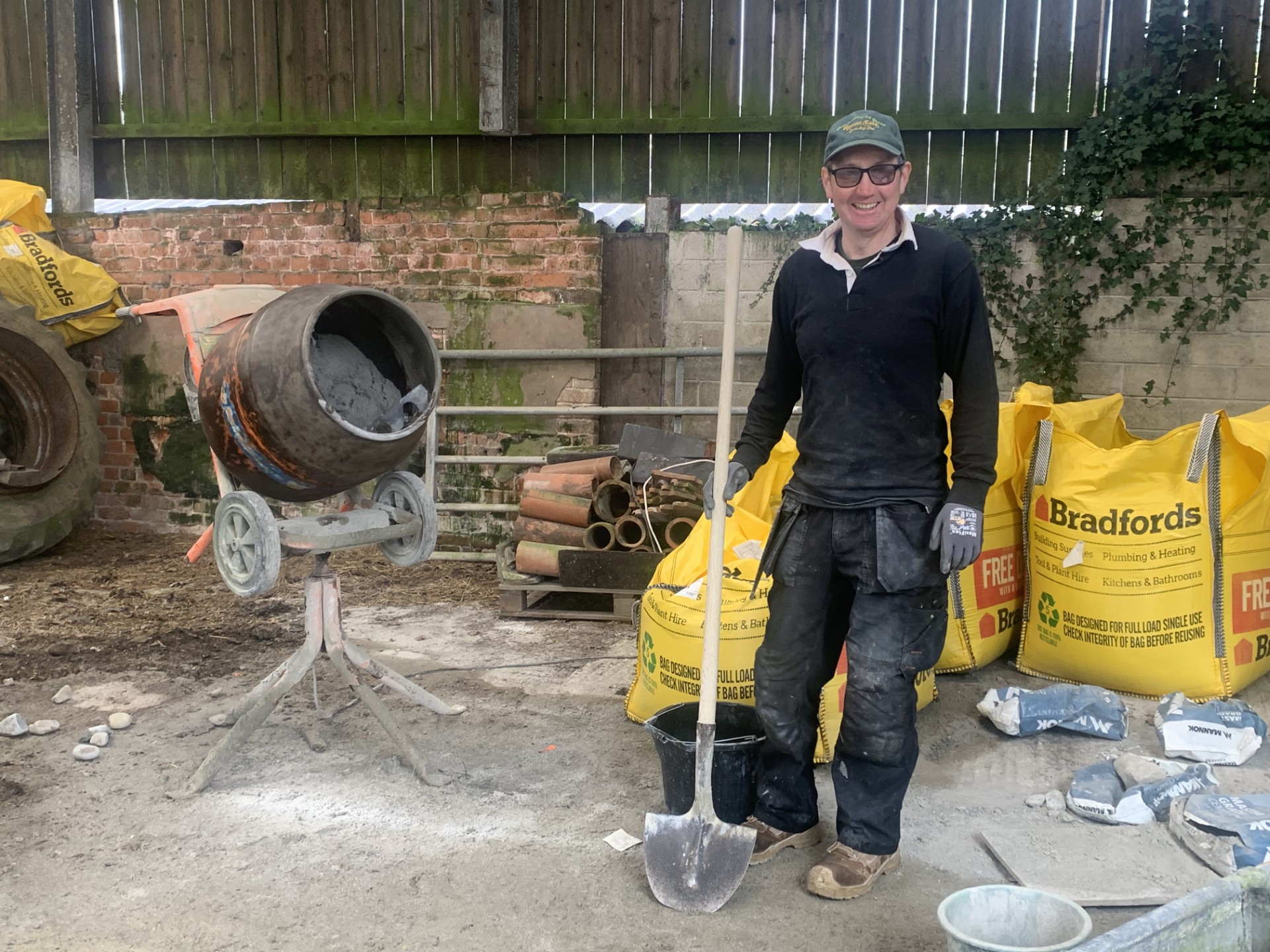
Managing the growing woodland is straightforward – controlling grass growth, periodic inspections and eventually removing tree guards. These activities take far less time than livestock farming once did. Rob’s inherent inventiveness has even led to the modification of his quad bike to speed up spraying around the trees, which only takes him three days of the year now instead of well over a week.
Rob and Catherine enjoy a secure and diversified income, and more time to enjoy life, with the option to sell part of their Woodland Carbon Code Pending Issuance Units, a portion of which are valued at around £40,000. Rob is even building a new home for himself and Catherine.
Was it a risk? Rob and Catherine don’t see it that way. It was a carefully considered decision that has paid off. Their story shows that diversifying with trees doesn’t have to be large scale to deliver meaningful environmental and financial benefits. It shows that woodland creation can play a powerful role in shaping resilient farm businesses for the future.
Read more about how woodland creation can benefit your business and diversify your income and find out more about the Forestry Commission Woodland Ambassador Programme on GOV.UK.