 Neil Riddle, Head of Natural Environment at the Forestry Commission, explains how small, smart choices can turn your woodland into a wildlife hotspot while still producing timber and supporting long‑term resilience.
Healthy, species‑rich woodlands are more than a backdrop to rural life – they are working ecosystems that store carbon, slow water, protect soils and support livelihoods. The UK Forestry Standard (UKFS) treats biodiversity as an integral part of sustainable forest management across all woodland types, including ancient semi‑natural, native broadleaf, farm copses and productive conifers.
Diverse forests are better able to withstand pests, diseases and extreme weather events. They also provide the flexibility to meet your goals, whether that’s quality timber, nature recovery, public access or all three.
Understanding protected and priority species
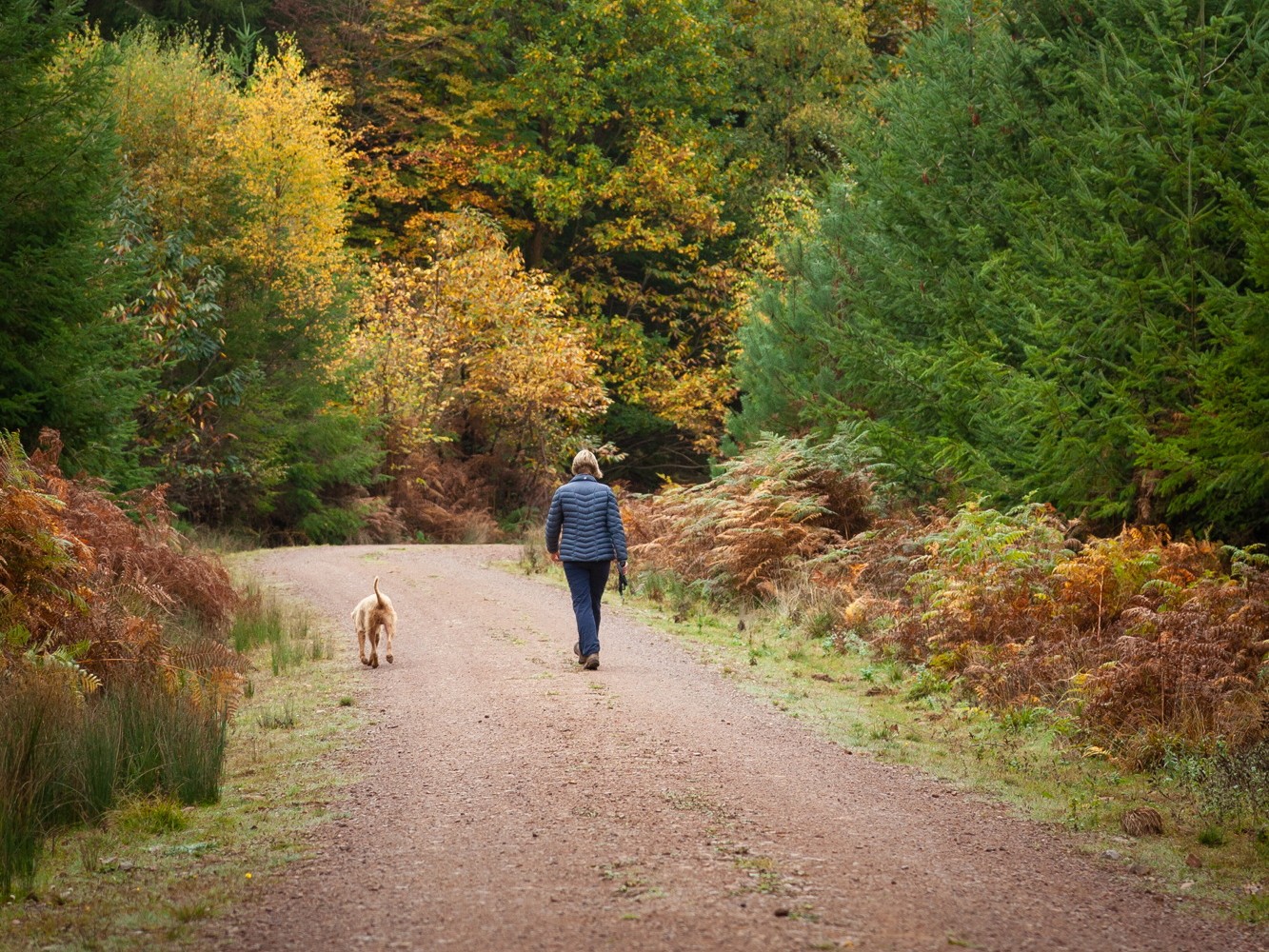
Before you start woodland operations, it’s important to build up a picture of the wildlife on your site. Check local records and seek advice from your local Woodland Officer.
A woodland management plan that maps sensitive areas will help you to schedule work to avoid disturbing protected or priority species. For example, avoiding thinning near nesting sites in spring, retaining potential bat roost trees, or buffering watercourses that support species like Atlantic salmon or freshwater pearl mussel.
The aim is simple: stay legally compliant and take practical steps to help wildlife thrive while management work continues.
Special considerations for ancient woodland
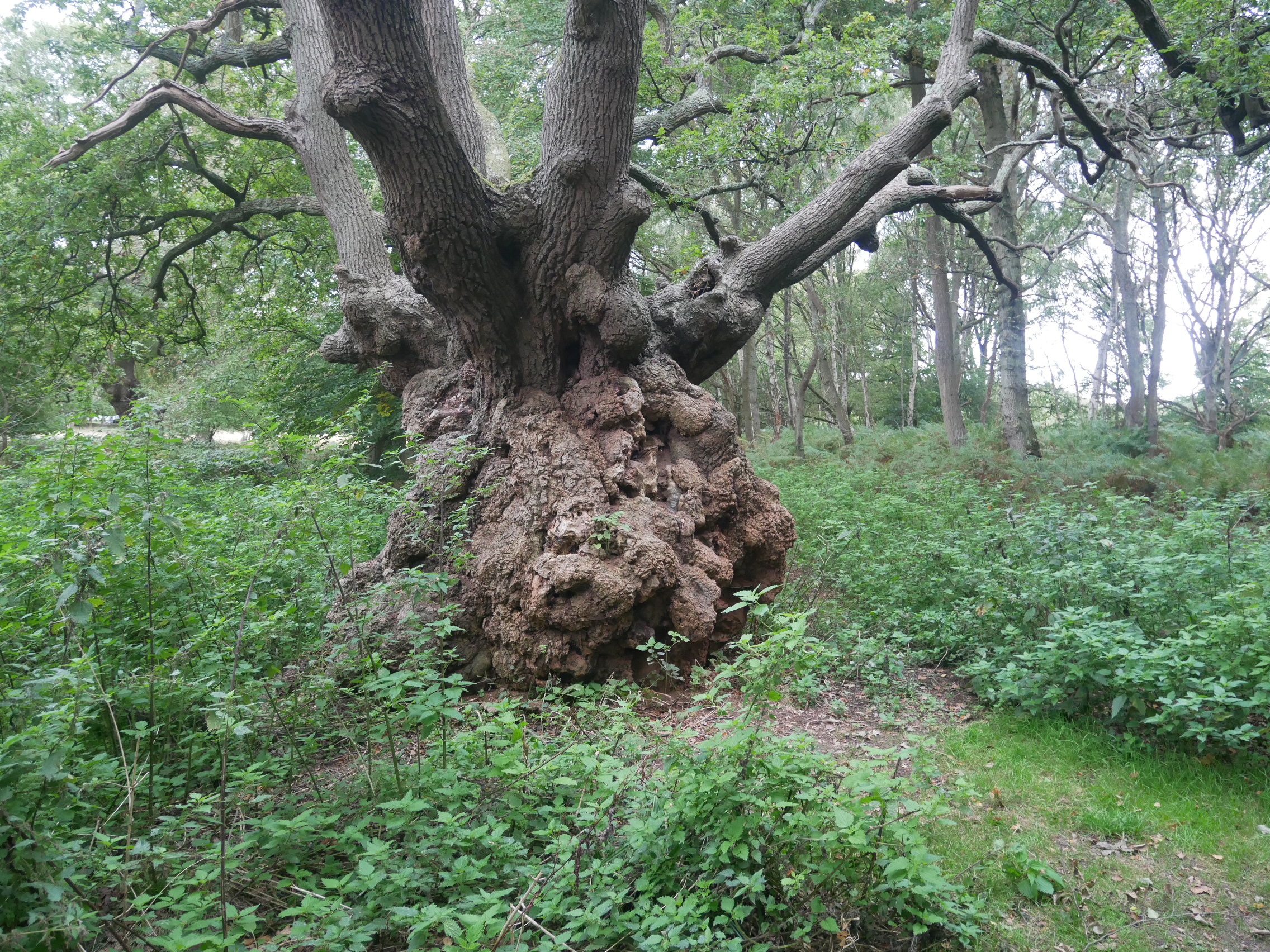
Ancient woodlands, including ancient semi‑natural woodland (ASNW), wood pasture and parkland, and plantations on ancient woodland sites (PAWS), are irreplaceable.
For ASNW, keep trees native, avoid introducing invasive, non‑native species, protect veteran trees and soils, and manage deer and invasive shrubs.
For PAWS, plan progressive restoration and retain remnant ancient features. Thin and restructure your woodland to let light in, and favour natural regeneration of native species (where trees seed within the woodland habitat itself). Restoration strengthens resilience, supports specialist wildlife and leaves a legacy you can be proud of.
Getting the mix right
The UKFS embeds biodiversity into woodland design. Following best practice, manage at least 15% of your Forest Management Unit (FMU) with biodiversity as a major objective. Consider long‑term retentions such as riparian corridors (wooded areas alongside water bodies), native woodland blocks, open habitat networks, and deadwood hotspots.
Across your whole FMU, these simple ratios spread risk, create varied habitats and promote resilience without sacrificing productivity:
- no more than 65% of one type to avoid over‑relying on any single tree species
- at least 5% native broadleaved trees or shrubs
- 10% other species
- 10% open ground or land managed primarily for biodiversity
Deadwood as nature’s hidden infrastructure
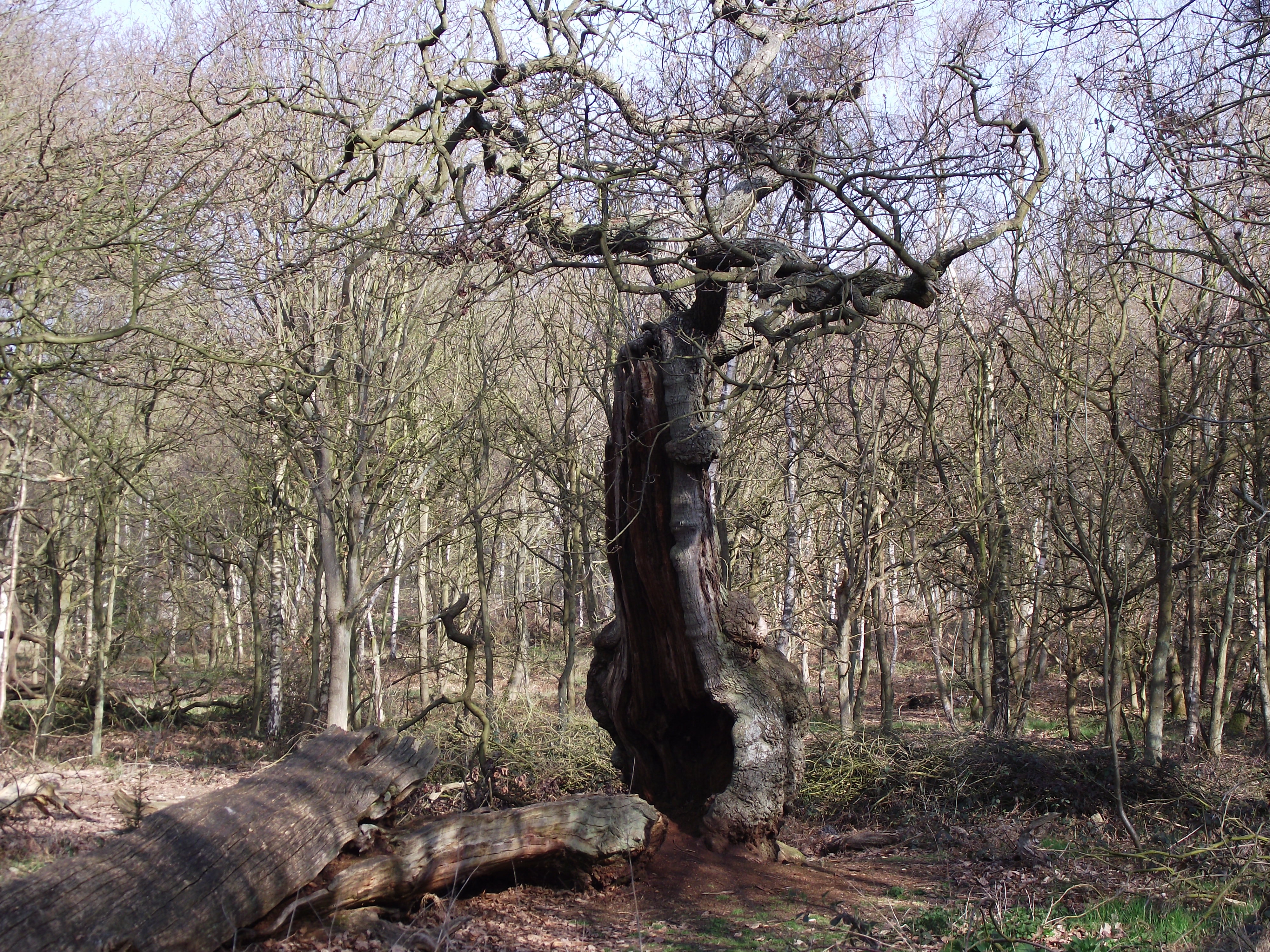
Up to a fifth of woodland species depend on decaying wood.1 Plan to retain standing and fallen deadwood, especially large‑diameter native pieces in clusters around high‑value areas such as veteran trees, riparian zones, wood pasture and ancient woodland.
Over time, work towards roughly one lorry‑load per hectare (around 20 m³/ha). Manage safety hazards on well‑used trails, and where pests such as bark beetles are a concern, follow guidance on inspecting and removing specific host material after storms or periods of drought.
Connectivity and fragmentation
Wildlife moves through networks, so strengthening these connections within and beyond your boundary by linking habitats makes a real difference. Broaden rides and glades, build graded edges, retain hedgerows and veteran trees, and establish riparian corridors that stitch woods to the wider landscape.
When creating new woodland, extend from existing semi‑natural habitats to reduce edge effects. By expanding an existing habitat, you can maximise the safe interior ‘core’ of your woodland to limit the amount of vulnerable outer border exposed to harsh, external conditions. Design for connectivity but keep biosecurity in mind, by cleaning machinery and footwear, and control invasive non‑native species so that new links don’t become invasion routes.
Native woodland enhancement
Native woods carry the highest biodiversity value and are central to resilient landscapes. You can improve their ecological condition by controlling deer, grey squirrels and invasive shrubs, protecting soils, encouraging natural regeneration and having a diverse tree age and structure.
When creating new woods, choose site‑adapted native species and provenances (using certified reproductive material) and consider your site’s future climate. Converting appropriate non‑native stands near ancient woodland or along watercourses can deliver quick gains for wildlife and water quality.
Monitoring and assessment
Monitoring turns good intentions into results. It’s important to review your woodland management plan on a five‑year cycle. Keep it simple and carry out repeatable checks including:
- herbivore impact assessments
- invasive species 'walk‑through’ visual checks of your woodland
- photo‑points for rides, edges and regeneration from the same, fixed locations over successive years to visually monitor change
- notes on deadwood and veteran trees
- records of timing adjustments for forest operations to protect wildlife
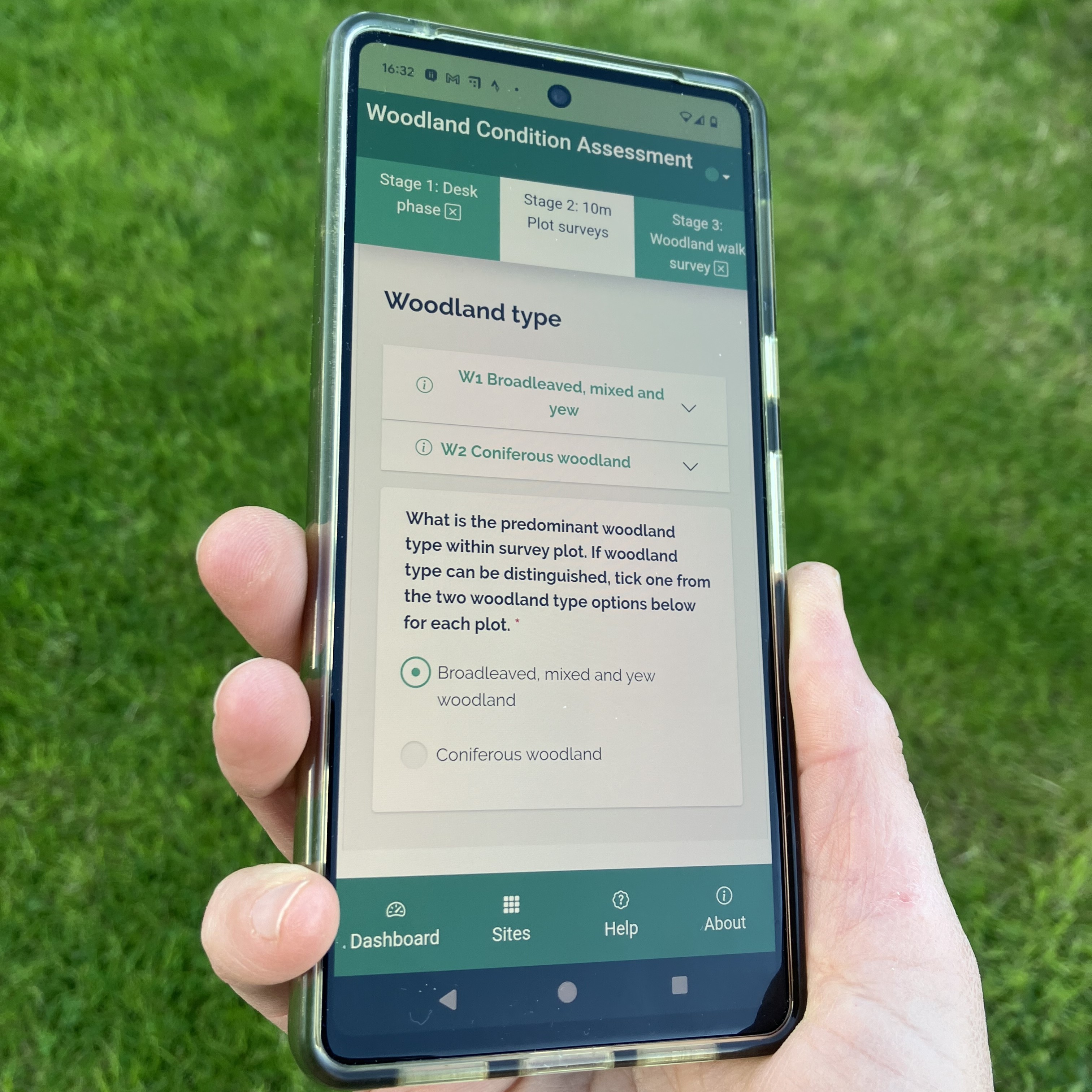
The Woodland Wildlife Toolkit offers information and practical management guidance to better understand and care for your local woodland wildlife.
What this means for your objectives
Whether your aim is for habitat recovery, quality timber, natural flood management, farm diversification or public access – the UKFS gives you a single, practical framework to work from.
For detailed guidance on putting these principles into practice, explore the UKFS guidance on sustainable forest management for biodiversity.
You can also build your knowledge with Silvestor’s UKFS eLearning courses, designed specifically for woodland managers.
2 comments
Comment by Iainplumer broadleaf charcoal posted on
Is there a computerised management plan that you can locate all the species there age and with forestry commission ai can advise work to be done and calculate carbon sequestration if not I think there should be. And forestry commission champions to do all grant and permissions etc most good forestry workers are dyslexic .if we are to get more people into the industry it needs to be made more smoother. Boudiccarta mother earth's charter.
Comment by Forestry Commission posted on
Thank you for your comment. There are a number of digital tools available to support woodland management. For example, the Forestry Commission provides an online service for felling licence applications, and woodland owners can use Woodland Management Plan templates to help plan and record management activities, and tools such as MyForest support with woodland mapping and management planning.
There are also species recording and carbon calculation tools available, however there is currently no single system that can automatically identify all species, create a management plan, calculate carbon sequestration and manage all grants and permissions in one place.
Forestry Commission Woodland Officers and other forestry professionals can provide advice on woodland management, grants and permissions. We also recognise the importance of making these services as simple and accessible as possible, including for people with dyslexia and others who may benefit from additional support. Your suggestions highlight how digital technology and AI could help streamline woodland management in the future.