 Chris Waterfield, Carbon and Water Woodland Advisor, explains how you can apply UK Forestry Standards to create and manage woodlands to improve flood alleviation, water quality and aquatic habitats.
In this blog, I will cover the practical steps forest managers can take to manage their water environment. These steps include maintaining buffer zones, minimising soil disturbance and the careful timing of forest operations to protect watercourses and downstream communities. When forests are properly managed, they can protect water systems, especially with climate change intensifying flood and drought risks.
Water catchment management
Water is a fundamental natural resource that underpins ecosystems, agriculture and industry. Trees, woodlands and forests influence how water is captured, stored and released.
When rain falls on a woodland, trees intercept much of it before it ever reaches the soil. What does reach the ground tends to soak in rather than run off the surface, partly because tree roots loosen the soil and create channels for water to penetrate. Tree roots also anchor the soil and reduce erosion. From there, water makes its way back to the atmosphere through evapotranspiration, which is the combined process of evaporation from the soil surface and the moisture plants draw up and release through their leaves.
As a result, woodland creation and management play an important role in determining both water quantity and water quality across an entire catchment (the area of land where all surface water collects and drains to a single outlet).
The UK Forestry Standard (UKFS) places safeguarding the water environment at the heart of sustainable forest management. It recognises forest systems as integral parts of integrated catchment management, where land use must balance environmental protection with social and economic objectives.
Well planned and managed forests can protect water resources and support freshwater ecosystems, provided forestry operations are designed to avoid adverse impacts on hydrology and sensitive water environments.
Water protection benefits
Species-rich, diverse forests can provide strong protection for water resources when designed and managed appropriately. Permanent vegetation cover, limited soil disturbance and relatively low chemical inputs mean that woodland generally poses a lower risk to water quality than many alternative land uses. Trees help stabilise soils, reduce erosion, intercepting nutrients and pollutants before they reach watercourses.
The UKFS requires forestry operations to protect both surface water and groundwater, reflecting legal obligations and good practice. Buffer areas alongside watercourses are a key measure, reducing sediment delivery, pesticide drift and nutrient runoff. These buffers also protect riverbanks and allow riparian habitats (the interface between land and a watercourse) to develop, delivering wider ecological benefits.
Flood risk management
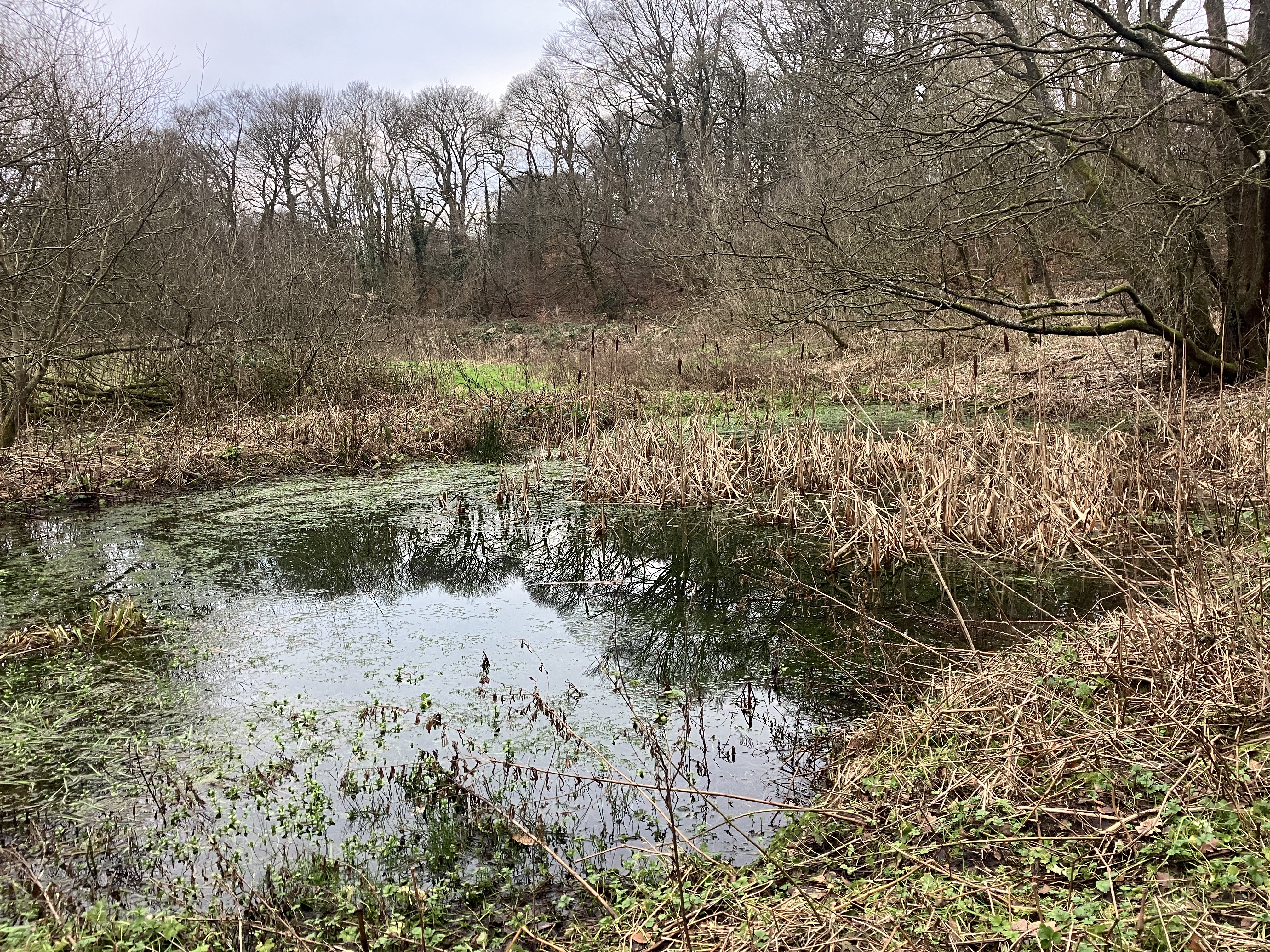
Flooding is an increasing risk across the UK, driven by climate change and land‑use pressures. Forests can contribute to flood risk management by intercepting rainfall, increasing infiltration and slowing the movement of water through catchments. Woodland soils with good structure and organic matter can store significant volumes of water, reducing rapid runoff during heavy rainfall.
The UKFS supports the use of woodland as part of a natural flood management approach, particularly where planting is targeted in areas upstream of communities at risk. However, it also highlights that poorly planned and managed forestry can increase flood risk.
Inappropriate drainage, road construction or large‑scale harvesting can accelerate runoff and sediment delivery to rivers. Forest design and operational planning must therefore ensure that woodland management does not increase flood risk to downstream communities or infrastructure.
Freshwater ecology
Forests influence freshwater ecosystems through their effects on shading, water temperature, sediment inputs and organic material. Riparian woodland is recognised by the UKFS as a priority habitat that supports diverse plant and animal communities, providing important ecological connectivity along rivers and streams.
The UKFS requires forest managers to identify and protect freshwater habitats, including streams, rivers, wetlands and spawning areas essential for the reproduction and development of aquatic wildlife. Small watercourses, even those less than one metre wide, are recognised as ecologically important and must be protected from compaction, sedimentation and pollution.
Appropriate buffer zone management, native species planting and careful timing of forest operations will all help safeguard freshwater ecology while supporting wider woodland objectives.
Planting near water bodies
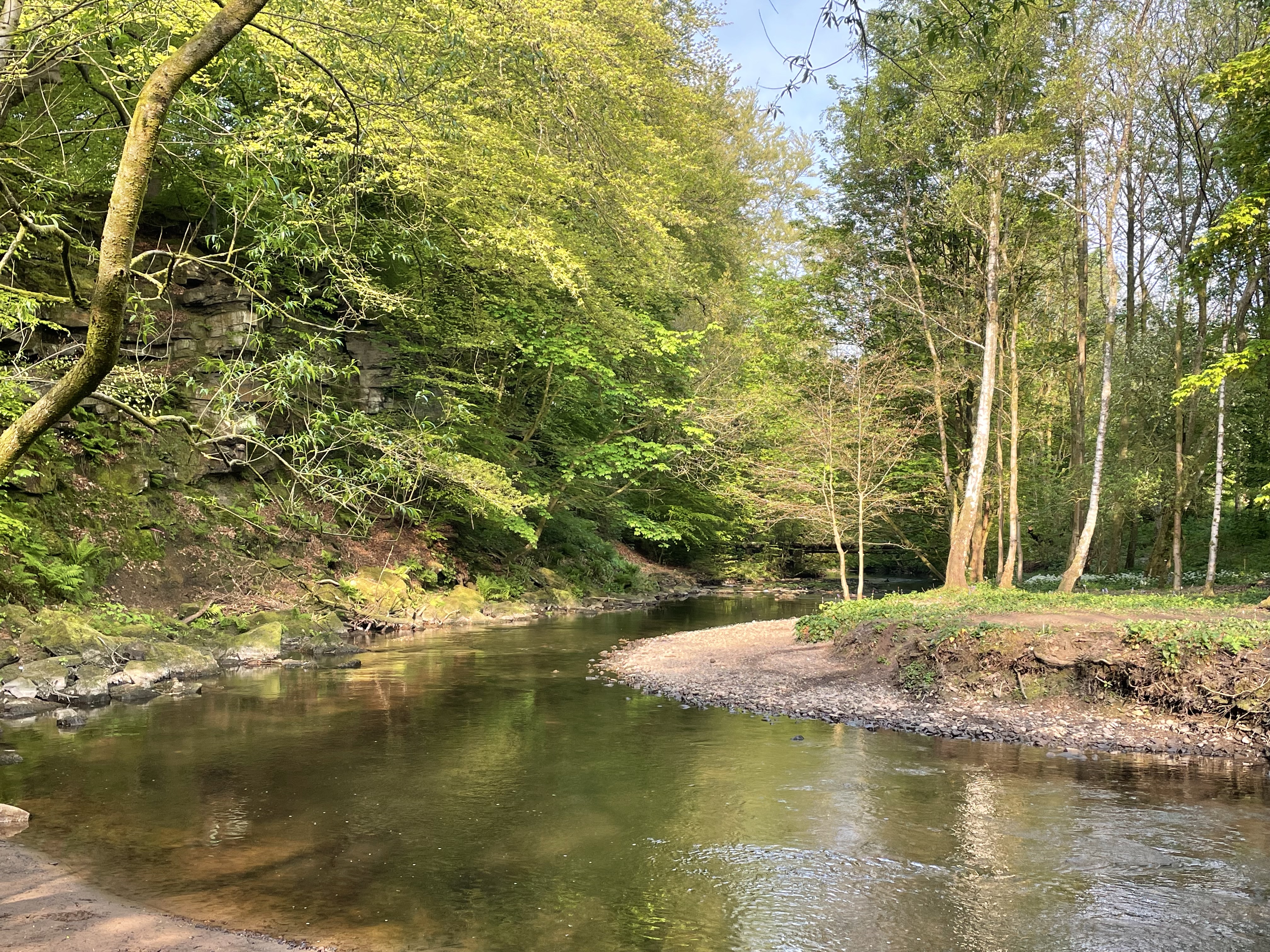
Planning forestry operations near water bodies requires you to think at a catchment scale – considering not just the land in front of you, but how your activities could affect water further downstream.
The UKFS requires woodland creation and management proposals to consider downstream water supplies, designated conservation sites and water‑dependent habitats. Where activities may affect water quantity or quality, you should engage early with relevant authorities.
In England, if you are planning to plant within 8 metres of a main river, 16 metres of a tidal estuary where there are flood defences, or within Flood Zones 2 or 3, you may be required to assess the flood risks of your activity and get a permit from the Environment Agency.
Minimum buffer widths are set out by the UKFS to protect watercourses, lakes and reservoirs, with wider buffers applied where sites are particularly sensitive, slopes are steep or water supplies are present. Forest drainage systems must discharge before buffer areas and never directly into water bodies. Infrastructure such as bridges and culverts must be designed to avoid erosion, bank instability and barriers to fish movement.
Climate change implications
Climate change is placing growing pressure on the water environment, bringing more intense rainfall, higher flood risk, longer dry periods and rising waterbody temperatures. The UKFS integrates climate change adaptation into woodland planning, requiring forest managers to ensure their woodlands are resilient to both wetter and drier conditions, and to pick species that are appropriate to future climate conditions.
Woodlands can help moderate extreme water flows, stabilise soils and provide shade, helping to regulate water temperatures to benefit aquatic species. At the same time, forest infrastructure and drainage systems must be designed to cope with projected changes in rainfall intensity and volume. Planning for climate change is therefore a core element of sustainable forest management under the UKFS.
Water quality management
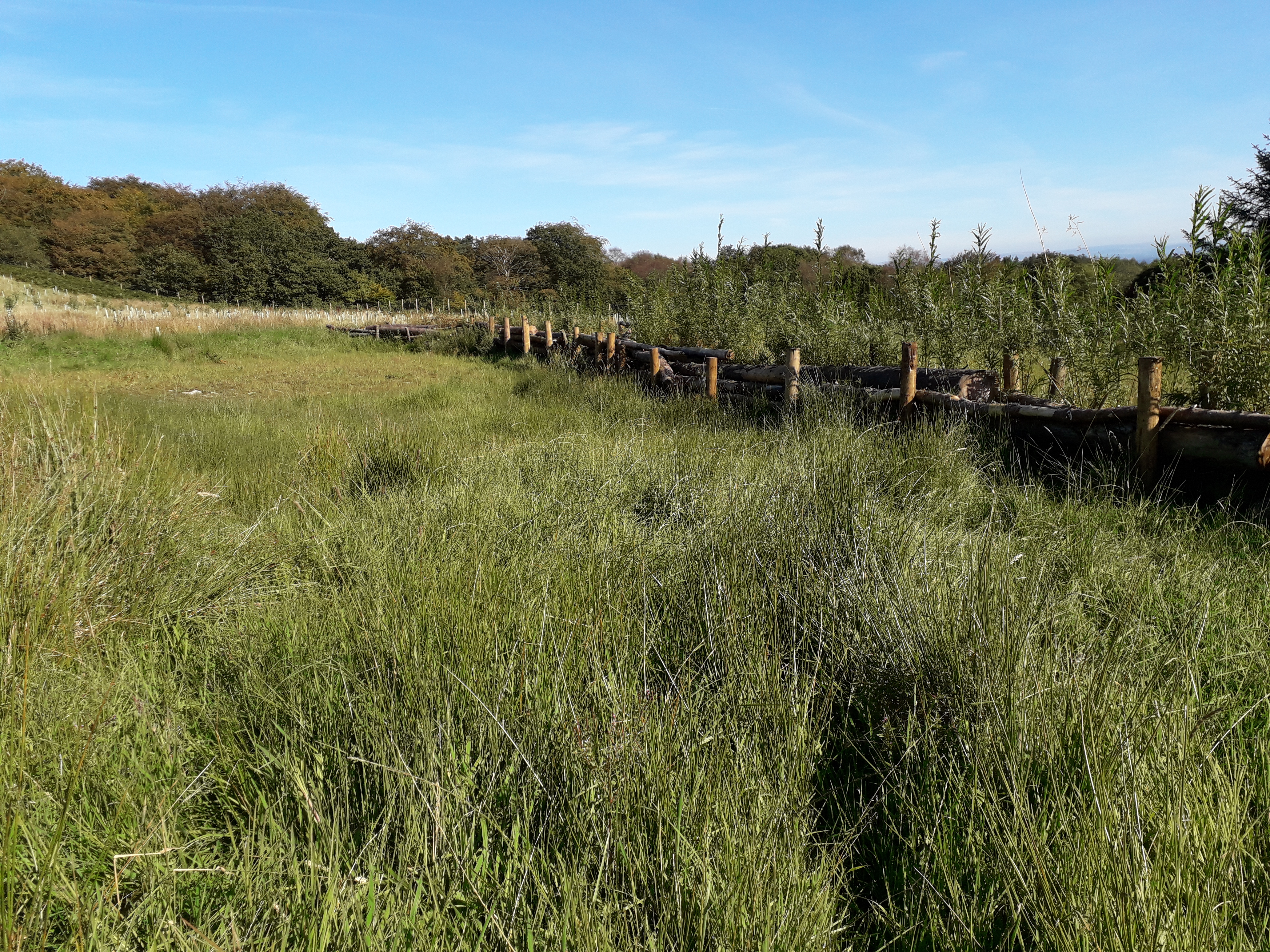
Protecting water quality is both a legal requirement and a central principle of the UKFS. Forestry operations must not allow polluting substances to enter controlled waters, including streams, rivers, lakes and groundwater. You must carefully manage use of pesticides, fertilisers, fuels and oils if your forest is to be managed sustainably.
You should minimise chemical use and make sure any applications are planned carefully to avoid runoff and leaching into watercourses. Keep storage and refuelling areas locked, well away from watercourses and have a plan in case of spillages or pollution incidents. These measures help protect drinking water supplies, aquatic habitats and public confidence in sustainable forestry.
Operational guidelines
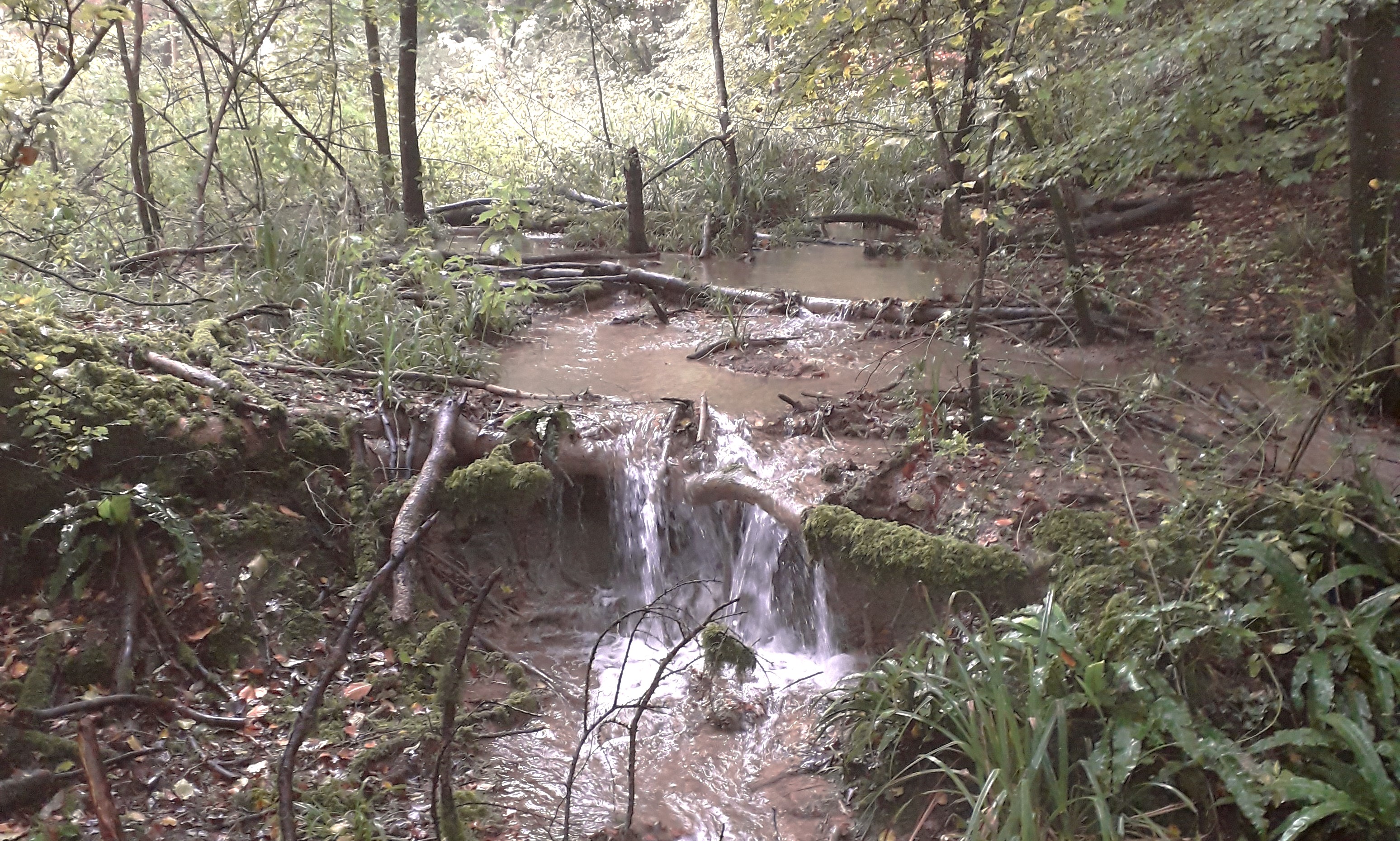
Effective water protection depends on translating principles into day‑to‑day practice. Before work begins, your forest management and operational plans should identify water features, sensitive soils and drainage pathways. Use maps and site assessments to guide contractors and managers during operations.
Key principles to follow include:
- minimise soil disturbance and compaction
- avoid work during and just after high‑risk weather conditions, such as storms or periods of high rainfall
- phase felling to limit cumulative impacts within catchments
- restore disturbed ground promptly to reduce erosion and sediment loss
- have contingency plans in place for extreme weather and pollution incidents
Special considerations for water
Some locations require additional safeguards under the UKFS. These include drinking water catchments, designated conservation sites and areas supporting sensitive freshwater species such as freshwater pearl mussels and Atlantic salmon. In such cases, you will need wider buffers, stricter controls on operations and you may require closer liaison with regulators.
Riparian zones are also key pathways for invasive non‑native species such as Himalayan balsam and American skunk cabbage. These can spread and require coordinated control to protect watercourses and native habitats.
Where forestry interacts with floodplains, consider opportunities to restore riparian and wet woodland, reconnect rivers to floodplains and enhance natural water storage, subject to regulatory requirements.
Discover more guidance and resources on how trees can improve water quality and manage flooding. You may also be interested in Silvestor’s UKFS eLearning courses, designed specifically for woodland managers.


1 comment
Comment by Andrew Stirling posted on
Great article and very timely to highlight the role that well-planned and managed forests can play in alleviating some impacts of drought; through increasing rainfall infiltration, enhancing soil water storage and by shading freshwater ecosystems, thereby improving the resilience of catchments to longer dry periods.