 Jen Turner, Development Manager at the Royal Forestry Society (RFS), discusses the findings of a recent Breaking Points survey on forestry workers’ mental health, and how the Wellbeing in Forestry group looks to support the sector.
Mental health in forestry and arboriculture has, for a long time, been difficult to talk about. It’s a subject that hasn’t had the evidence or data behind it to help the sector understand its scale, or to know where to focus support.
Through this blog I will share findings from the sector’s first survey into workers’ mental health and how the Wellbeing in Forestry group is turning that evidence into action.
This blog discusses mental health, including suicide, burnout and workplace stress. If you're in crisis, please call 999 or the Samaritans on 116 123. There is also support available.
A hidden issue in forestry
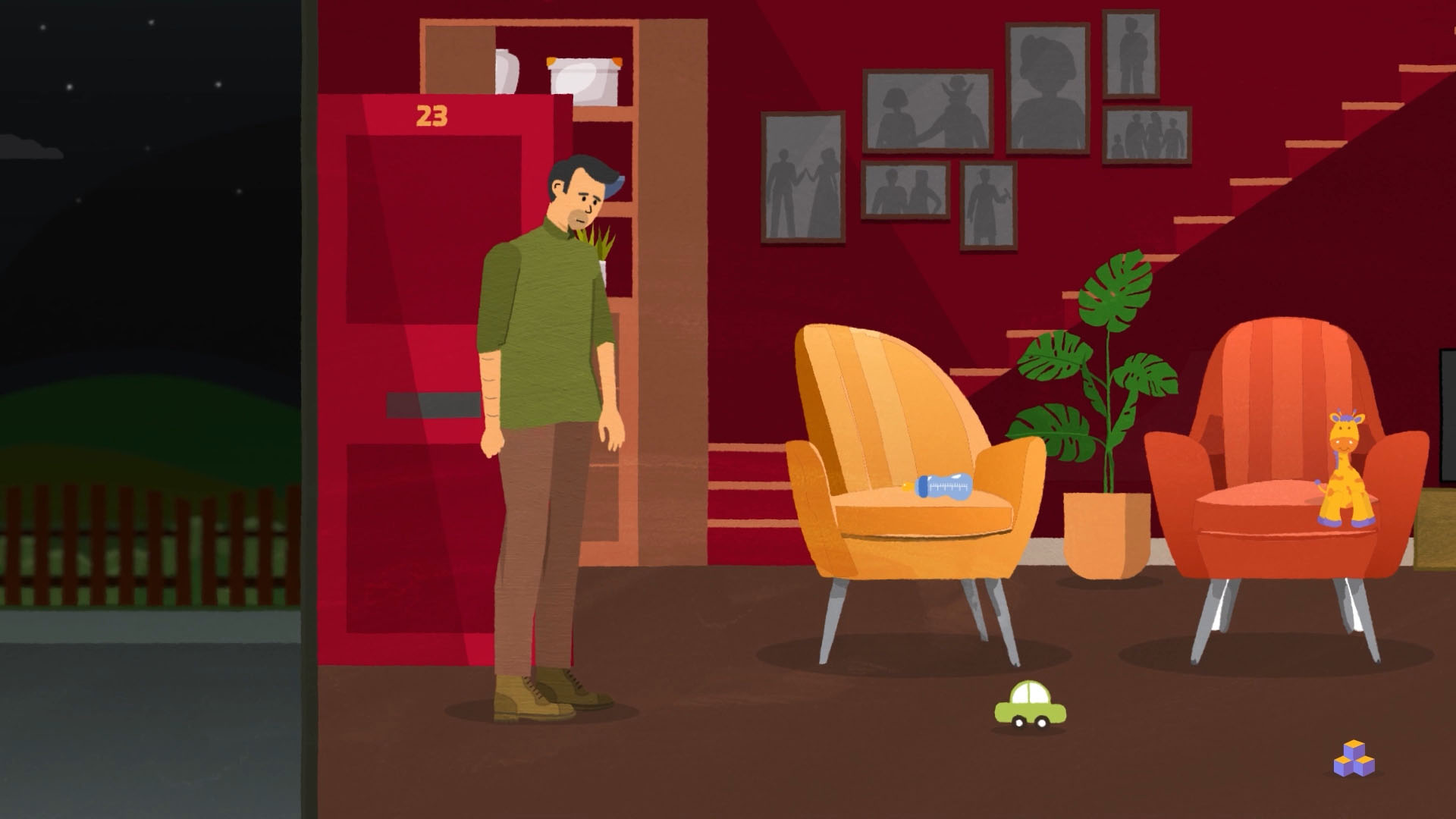
Office of National Statistics (2024) data shows that men in their early fifties have a higher rate of suicide than other groups. This demographic makes up a large proportion of our forestry workforce: the people who manage our woodlands, care for our trees, and work at the front line of the sector’s contribution to climate change and sustainability.
It’s this gap in understanding, and a shared sense that things need to change, that led to the creation of the Wellbeing in Forestry group in 2024. Supported by the Forestry Commission, this group brought together organisations from across the sector to begin addressing the mental health and wellbeing challenges facing forestry and arboriculture workers. We didn’t know where to start, we didn’t really know how to help but we came together because we needed things to change.
Breaking Points survey findings
To better understand the nature and scale of the mental health challenges in forestry, we conducted a survey of people who work with (or have worked with) trees. The response to this Breaking Points survey was significant with 538 people responding and the findings pointed to a workforce under pressure. The report found:
- 76% named financial issues as their single biggest stressor, with respondents describing late payments, low rates and the rising cost of insurance, fuel, personal protective equipment and machinery maintenance, especially for the self-employed
- 62% described working in unsafe or high-risk conditions
- 44% shared explicit mental health struggles
- 35% described chronic burnout
A particularly concerning figure was that less than half (only 43%) of respondents said they had someone they trusted to talk to on a weekly basis, and 31% said they had no regular or reliable support at all. The report also highlighted lack of respect, lack of understanding and verbal abuse from the public as causes of worry, anxiety and, ultimately, poor mental health.
The survey responses were clear: stress is widespread, deeply felt and often unspoken in the forestry sector. But there is a strong appetite for change. Forestry workers want interventions that reflect their realities and are tailored, accessible and grounded in respect.
A cycle that's hard to break
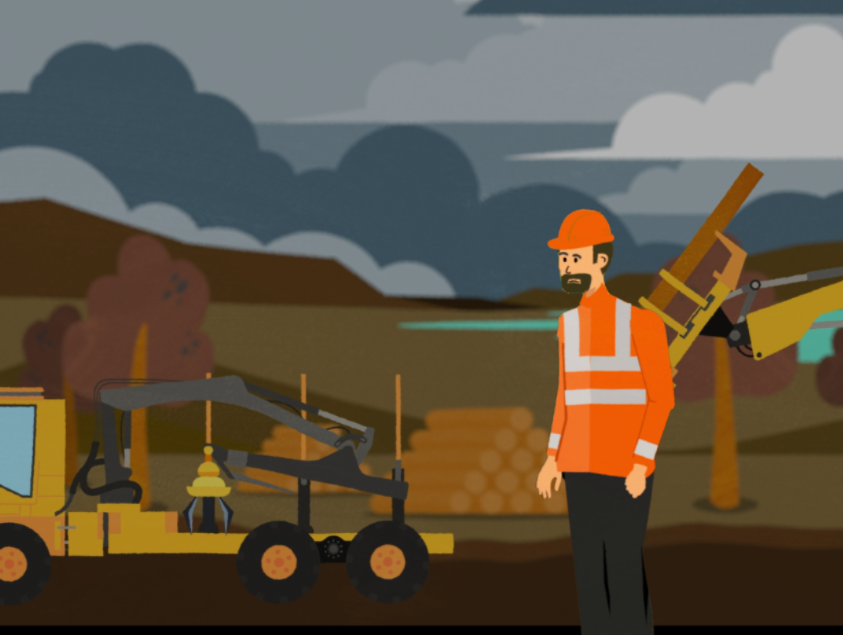
What became clear when analysing the Breaking Points survey data was how these pressures feed each other. Financial strain pushes people to take on more risk to make ends meet. Isolation means there's often no one nearby to notice when someone's struggling or to share the load with.
A culture that treats stress as something you just get on with makes it harder still to speak up. Phrases like “everybody’s tired”, “don’t complain”, “you are lucky to have a job” and “you’ll get through, you always do” are common, but they can do real harm.
Self-employed workers and machine operators reported the highest levels of isolation, often working solo for long stretches. Arborists reported the highest rates of both safety risk and emotional strain, driven by high-stakes physical work with little recognition.
Managers carried a different weight, such as budget pressure and bureaucracy, alongside the emotional cost of supporting struggling teams while getting little support themselves.
Raising awareness
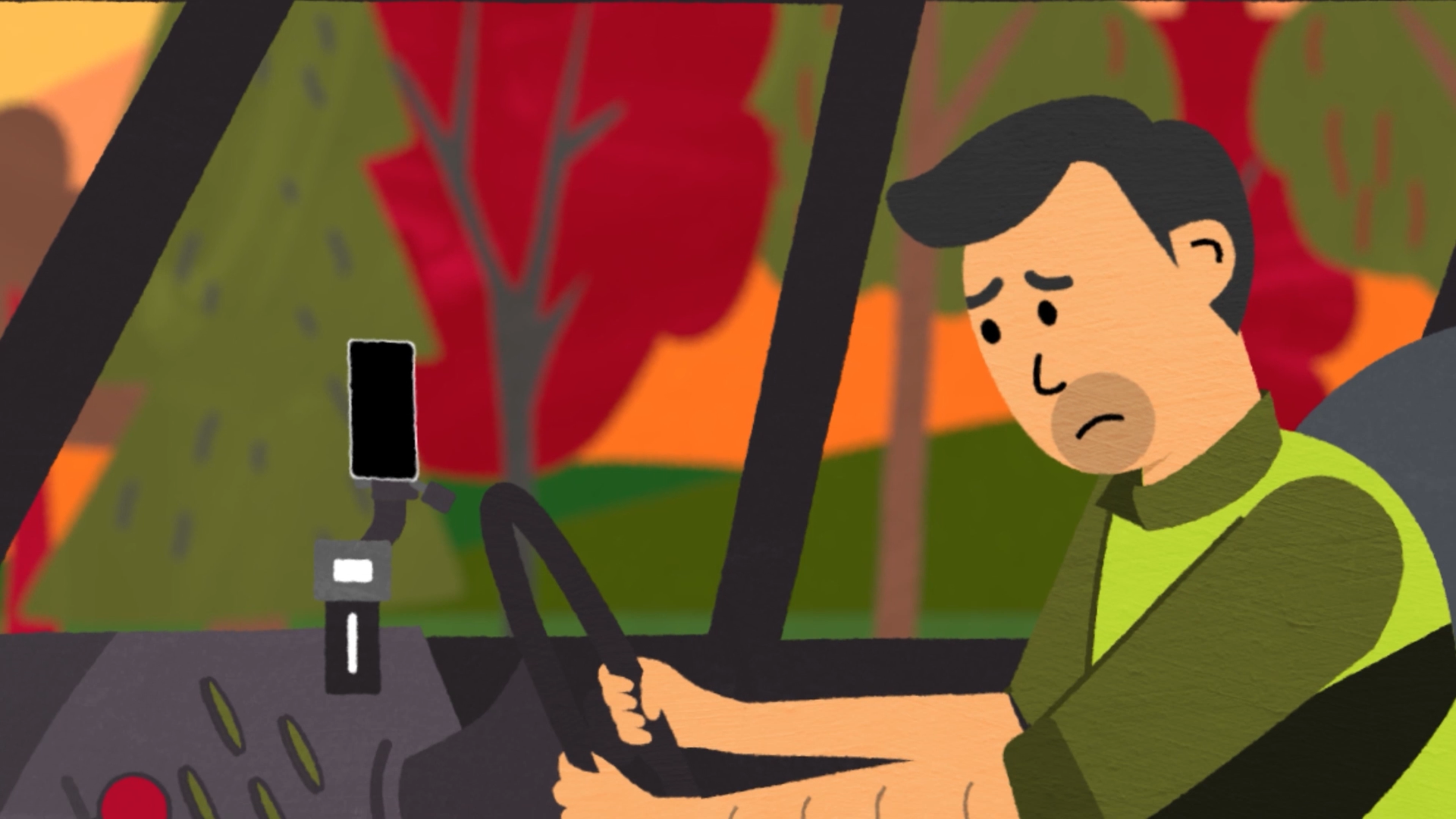
To mark World Suicide Prevention Day, the RFS released an animation on behalf of the Wellbeing in Forestry group, depicting the challenges and pressures faced by forestry contractors. The aim of the ‘Every Interaction Matters’ video is to foster greater understanding for the everyday struggles of those working on the ground, and that a shift in tone and greater compassion can go a long way.
Building understanding together
Another thread running through the survey is how forestry and arboriculture work is often misunderstood by the public. Felling, thinning and deer and squirrel control are all essential parts of good woodland management, but without context, these activities can look alarming to people who care about their local green spaces. Respondents said they were sometimes met with concern or frustrations from passers-by unfamiliar with the reasons behind the work.
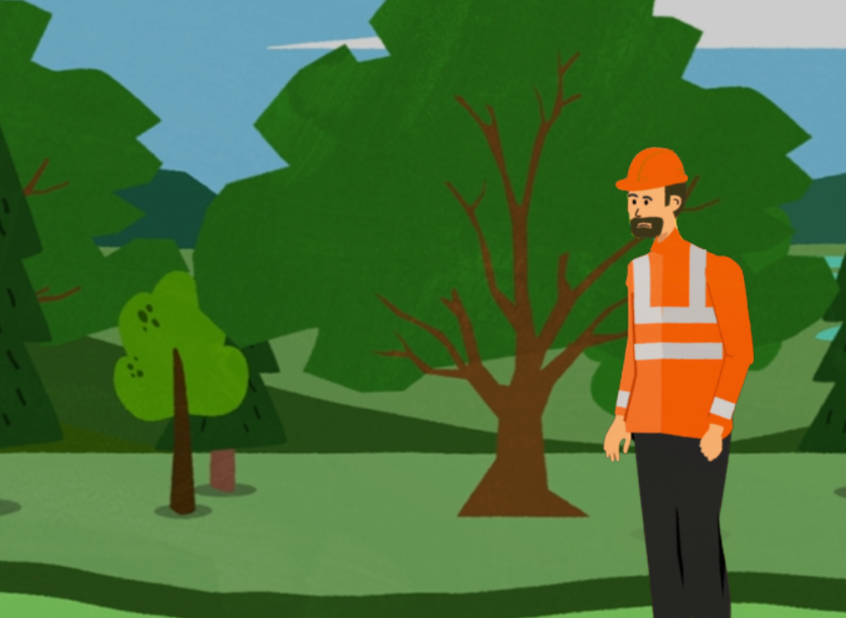
At this year’s Royal Welsh Show, the Royal Forestry Society released a new animation exploring this topic. It depicts a forestry contractor tasked with felling diseased trees to make room for a resilient new woodland, who faces criticism from the local community unaware of the purpose behind the work.
That reaction often comes from a well-meaning place and communities taking an interest in their local woodlands should be welcomed.
The animation encourages people to approach foresters with curiosity when they see forestry operations nearby and to ask foresters what's being done and why, to understand the work that is being carried out. In most cases, it's work that benefits both the woodland and the people who live near it, as a well-managed woodland delivers far more benefits to people, nature, the economy and wider environment.
Future plans to support the sector
The Wellbeing in Forestry group was established to bring a cross-sector response to these challenges.
The Breaking Points survey is itself a direct output through this collaboration, providing the first substantive evidence based on mental health stressors in the forestry and arboriculture sector, giving the group a foundation to target support where it’s needed most.
The group is now developing a toolkit. This toolkit is designed to improve how forestry consultants and contractors communicate, with the aim to reduce the financial and emotional pressure the survey uncovered.
More tools, events and sector conversations are planned over the coming months, including events like APF, the UK’s largest forestry, woodland, arboriculture, firewood, fencing, trees and timber trade show. Grassroots initiatives have also got off the ground in the last year, including numerous ‘Pie & Pints’ events where foresters and arborists meet to talk openly and form connections.
Take action
This World Suicide Prevention Day, we can all take one step to help address these issues by having an honest conversation with a colleague this week. Ask how they’re really doing and see where the conversation leads.
If you would like to share any ideas on how the sector could tackle the issues discussed and highlighted in this survey, the Wellbeing in Forestry group would like to hear from you. Please email Christopher Williams or Jen Turner from the RFS.
This work is part of a wider effort by the Wellbeing in Forestry group, which brings together the RFS, Confederation of Forest Industries, the Forestry Contracting Association, Forest Industry Safety Accord, the Institute of Chartered Foresters, Royal Agricultural Benevolent Institution, the Royal Scottish Forestry Society, the Small Woods Association and the Forestry Commission, working together, to improve wellbeing across the sector.
If you or someone you know is struggling, support is available:
- Samaritans – 116 123, free, twenty-four hours a day, seven days a week
- Mind – has four helplines for support
- Shout – text 85258
- DPJ Foundation – support for farming and rural communities
- Stay Alive App – a free suicide prevention resource
- FISA Safety Library – practical safety and wellbeing resources for forestry workers
If you're in immediate crisis, please call 999.
2 comments
Comment by Andrew Weatherall posted on
Link to the animation: https://rfs.org.uk/news-list/every-interaction-matters/
Comment by Royal Forestry Society posted on
Our latest animation looks at public perception and how it impacts mental health in the forestry sector. https://www.youtube.com/watch?v=SMUyqSZG6Xw