For Forestry Stewardship Council’s Forest Week, this blog brings together 6 organisations working across UK forestry, each sharing one practical thing they are doing for forests, from certification and agroforestry to urban treescapes, climate adaptation and timber use.
Held annually, the Forestry Stewardship Council’s (FSC) Forest Week is a global campaign raising awareness of the importance of sustainable forest management. This year's theme, ‘Do one thing for forests’, is a reminder that practical action matters.
Sustainably managed woodlands deliver far more than timber. They store carbon, support wildlife, manage flood risk, improve air and water quality, and build resilience to a changing climate. Achieving these benefits requires careful, long-term management and, often, collaboration across sectors.
Forestry England: sustainable forestry, certified for the long term
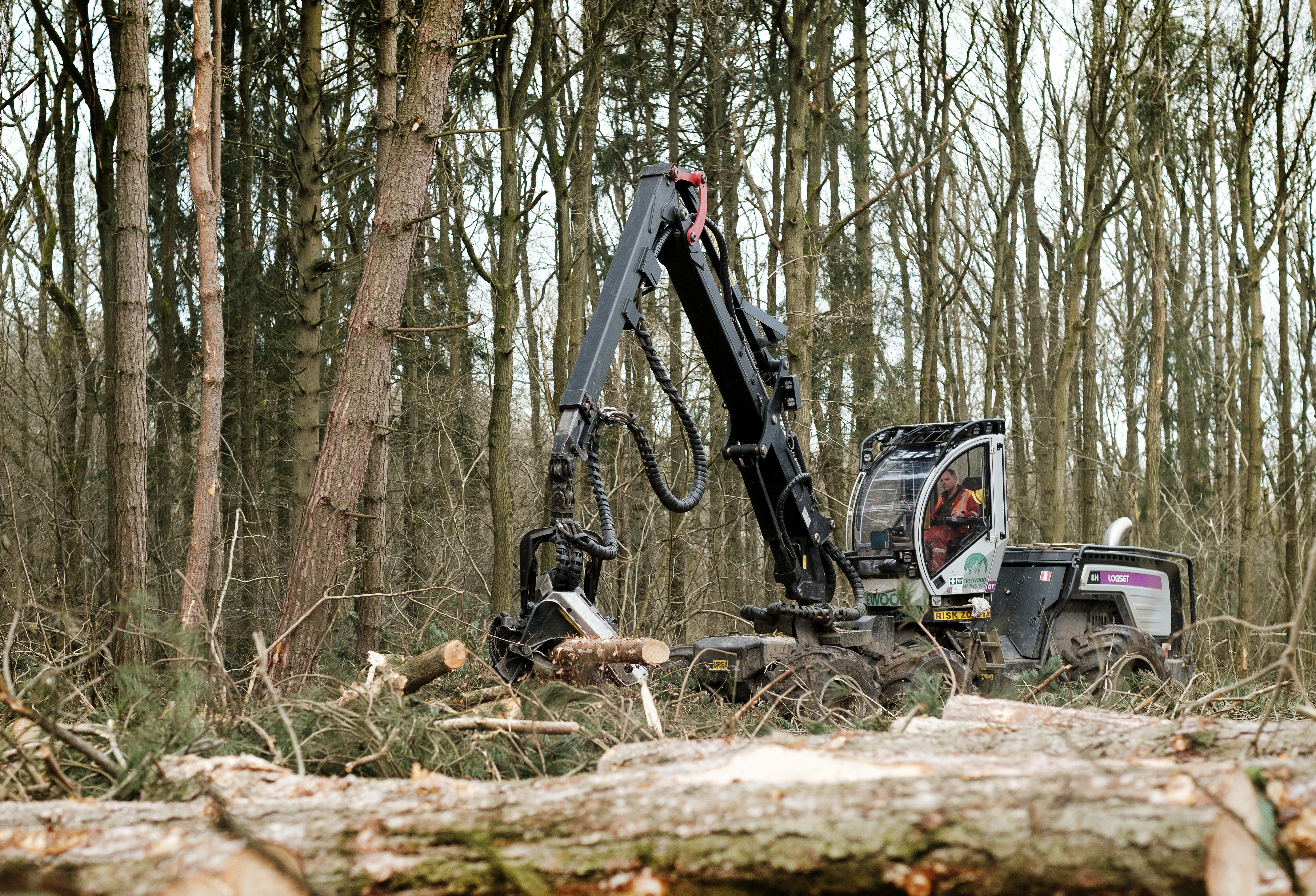
At Forestry England, the most important thing we can do for forests is manage them sustainably. As England's largest supplier of FSC certified round timber, we know that productive forestry and environmental responsibility go hand in hand.
Achieving this requires long-term planning and careful management, with decisions made today shaping forests for generations to come.
By working with standard-setting bodies like the FSC, the UK Woodland Assurance Standard and certification bodies like Soil Association Certification Ltd, we can show that timber is sourced from woodlands where environmental, social and economic considerations are balanced and where management meets recognised standards.
At a commercial scale, best practice means considering the forest as a whole, rather than small parts or projects in isolation. We plan harvesting operations to protect soils and water, create diverse woodland structures, support priority species and establish the next generation of trees. Productive forestry is not simply about producing timber. It is about maintaining healthy, resilient forests that continue to deliver benefits year after year.
For Forestry England, our one thing is our long-term commitment to forest management certification. For over 25 years we’ve been proud to maintain FSC certification, as the trusted and independently verified quality mark of sustainable forest management.
Soil Association: helping more farmers put trees to work on their land
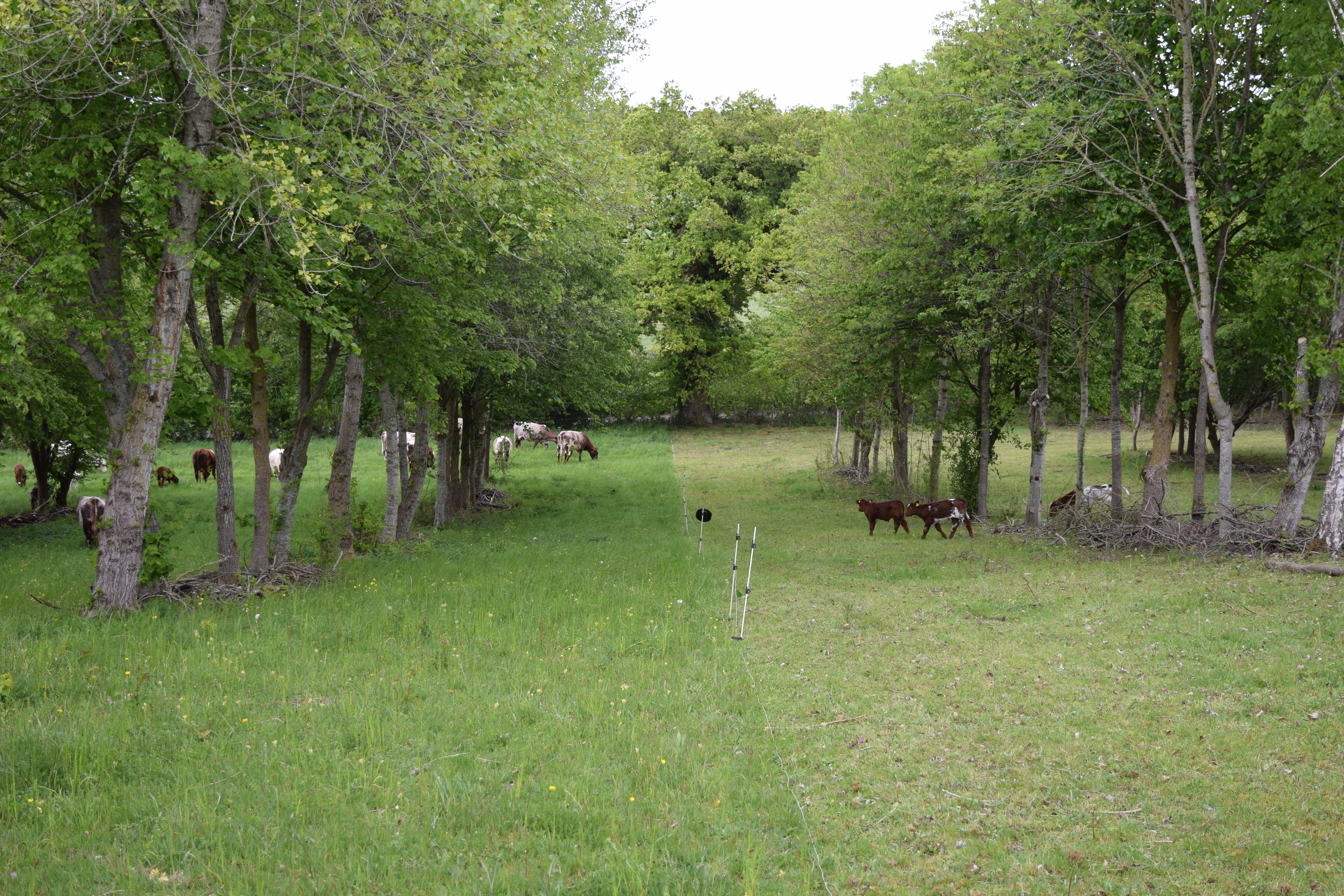
At the Soil Association, our goal is to help more farmers and landowners discover the value of agroforestry.
Agroforestry is the integration of trees into farming systems, alongside crops, livestock or both. While planting trees can often be seen as taking land out of production, our experience shows the opposite can be true. When carefully designed, agroforestry can support productive farming while delivering a range of environmental and financial benefits.
Across the UK, farmers and landowners are adapting to increasing weather extremes, evolving government support schemes and the need to build long-term resilience into their businesses. Many are turning to agroforestry as a practical way to strengthen farm performance while enhancing the natural assets on which farming depends.
Trees can improve soil health, reduce erosion, provide shelter for livestock and crops, support biodiversity and help manage water across the farm. They can also generate additional income through products such as timber, fruit, nuts and biomass, as well as emerging opportunities in nature markets.
The good news is that agroforestry is not a one-size-fits-all approach. From shelterbelts and riparian planting to silvopasture and alley cropping, there are options to suit a wide range of farm types and business objectives.
Our role is to help farmers explore what could work for their land and business. To receive agroforestry news, events and practical guidance from the Soil Association, you can join our network and subscribe to our Trees on Farms newsletter. One tree can make a difference and a well-designed agroforestry system can deliver benefits for generations.
Sylva Foundation and ercol: highlighting the value of home-grown timber

Sylva Foundation and ercol have launched a new collection of furniture demonstrating the value and potential of home-grown timber. Designed by the Sylva Wood School and crafted in limited batches by students on its professional course, the collection showcases how home-grown British timber can be transformed into high-quality, long-lasting furniture while supporting the next generation of makers.
Made from Grown in Britain certified ash, the collection highlights the environmental and economic benefits of sourcing timber from well-managed UK woodlands. Choosing home-grown timber reduces reliance on imports and cuts the carbon emissions associated with transporting timber over long distances.
The collection includes a bookcase, bedside cabinet, side table and curved stool, each hand-finished to celebrate the natural character of British ash and individually numbered. Every piece reflects the skill, care and craftsmanship developed through the Sylva Wood School's hands-on training programme.
For Sylva Foundation, the collaboration is about more than furniture. It demonstrates how education, woodland stewardship and commercial partnerships can work together to increase the use of home-grown timber.
By connecting sustainable woodland management with contemporary design and skilled craftsmanship, the project encourages consumers, makers and woodland owners to recognise the quality, beauty and environmental value of timber grown in Britain. Sales help support Sylva Foundation's ongoing work promoting resilient woodlands, a thriving wood culture and environmental sustainability.
The Tree Council: growing our urban treescapes
Trees and hedgerows in our towns and cities often go unnoticed and underappreciated, yet they form a vital part of healthy, resilient urban places. Recognising urban trees as long-term strategic assets will help us adapt to hotter summers, heavier rainfall and declining biodiversity.
There is growing ambition and investment to plant more urban trees, but creating resilient treescapes requires careful planning. This includes sourcing healthy, diverse, British-grown trees to reduce the risk of introducing new pests and diseases, alongside careful species selection for a changing climate.
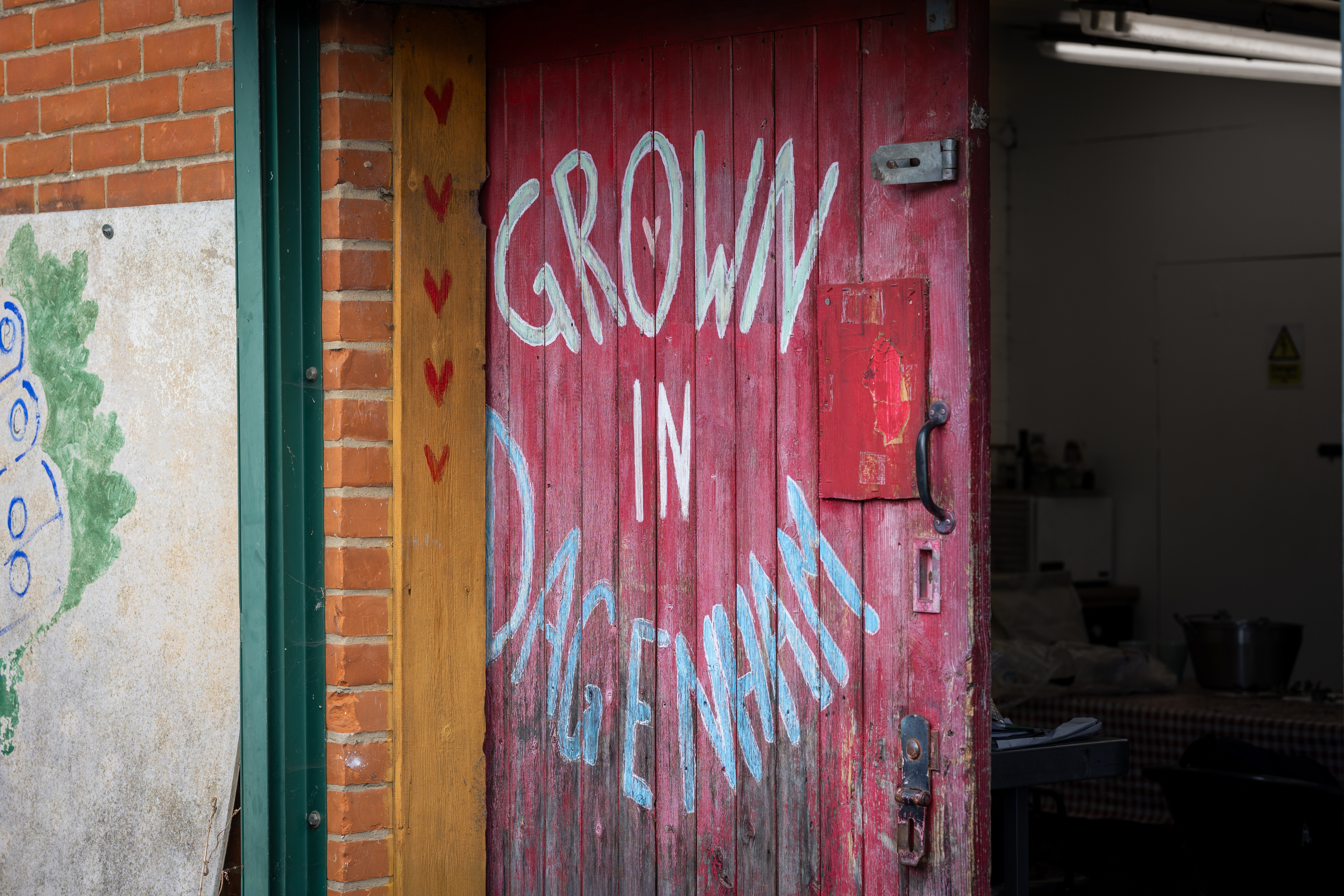
Commercial tree nurseries play a vital role in supplying trees at scale. Alongside them, community tree nurseries are making an increasingly important contribution. Often volunteer-led, these groups collect local seeds or take cuttings to grow saplings for planting in their own neighbourhoods. Until recently, little was known about the contribution, yet we estimate they collectively grow more than 400,000 trees every year for local planting projects.
Their benefits extend far beyond producing trees – they connect people with nature, bring communities together and help people develop new skills. By growing trees from locally sourced seed, or trialling future-focused trees species, they help towns adapt to future environmental challenges.
In partnership with M&G plc, Defra and the Community Tree Nursery Collaborative, we are supporting UK communities to establish new tree nurseries and improve existing ones through our Growing Together programme.
RSPB: protecting the legacy of our ancient woodlands
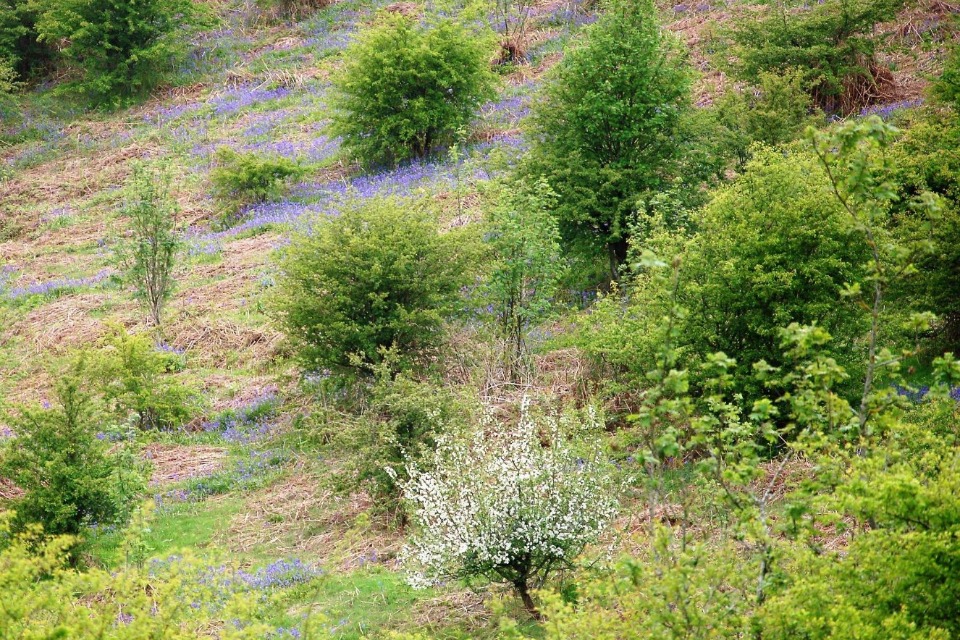
Woodlands are valuable for many reasons, but individual woodlands are better at delivering some objectives than others. Plantation forests are primarily for timber production but support some woodland biodiversity. Ancient woodlands are irreplaceable habitats that should be managed primarily for nature, but, in some cases, may also supply wood as a by-product of active conservation work.
Specialist woodland biodiversity is in decline, making it vital that the woodlands best suited to nature are managed for nature. Guidance on managing ancient woodlands already exists, but if land managers want to do one thing for forests that isn’t often mentioned, they can look beyond the existing borders for space where these woodlands can expand through natural processes.
This isn’t always possible, as adjacent land may be under different ownership, developed into buildings or transport infrastructure (roads and rails), or be a different priority habitat, river or lake. Wherever opportunities do exist, however, managing buffer zones (up to 100 metres wide) to allow seeds from the existing ancient woodland to establish (known as natural colonisation) is excellent practice.
We cannot create new ancient woodlands so natural colonisation at their edges is the next best thing. There are several case studies of woodland creation through natural colonisation to learn from. It requires patient, long-term management, especially of herbivores, but these buffers will help protect our ancient woodlands, and the rare species that depend on them, for generations to come.
Forest Research: adapting for a climate-resilient future
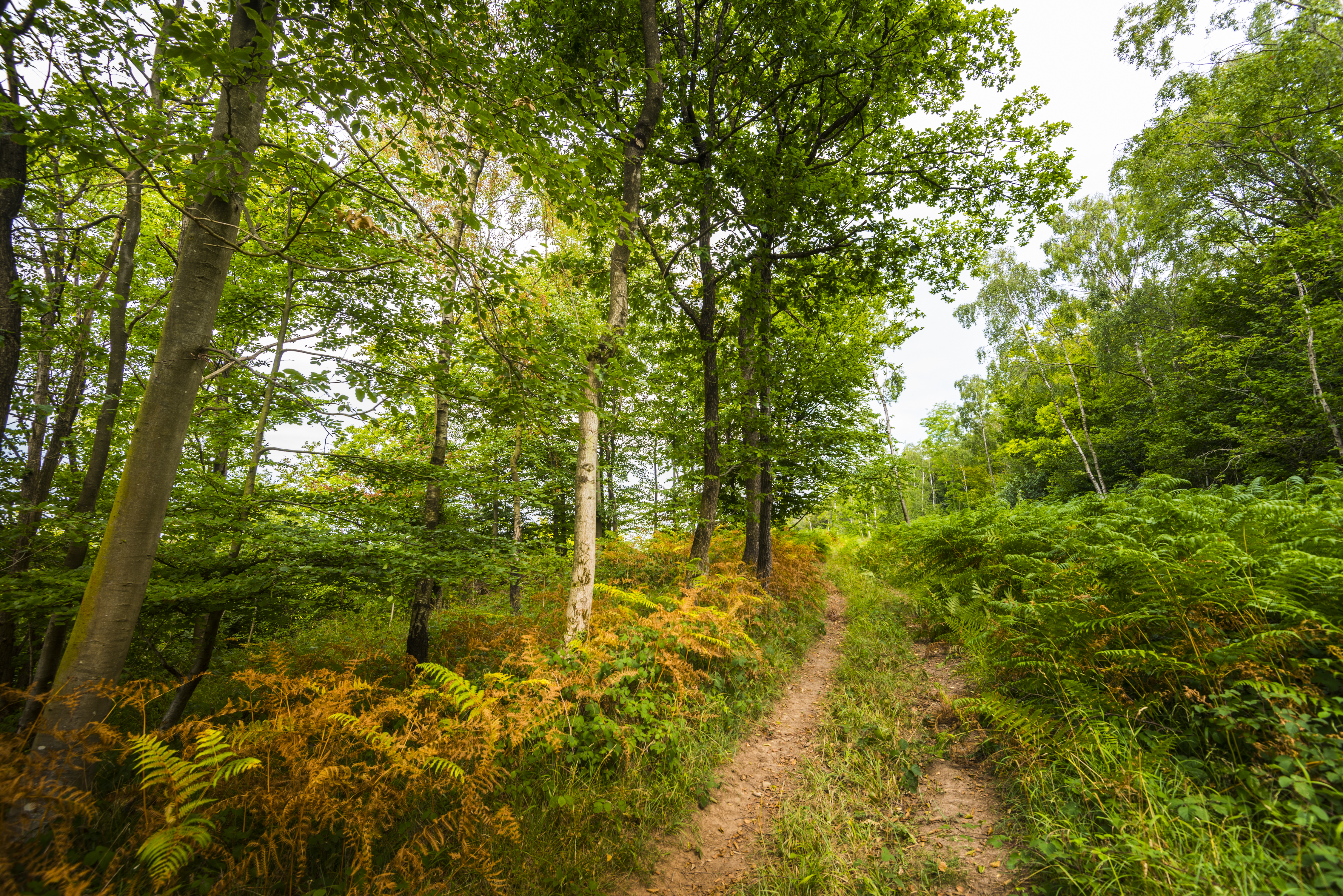
Projections indicate significant shifts in seasonal rainfall, storm and temperature patterns, resulting in more mild and wet winters, and hotter, drier summers. Storms, flooding, heatwaves and droughts are also expected to happen more often and become more severe.
The way we manage forests needs to adapt to the changing climate and increase resilience, so they continue delivering benefits for people and nature. If you’re considering tree planting or woodland creation, it’s essential to consider the risks that climate change poses over the lifetime of the forest and to build resilience into your plans, by adopting climate smart adaptation measures.
The best place to start is the UK Forestry Standard (UKFS). The latest UKFS guidance recommends following the 5-step adaptation framework, a simple management approach ranging from site-level risk assessment through to regular monitoring and evaluation of adaptive practice.
Our Climate Change Hub is the official home of UK forestry climate change guidance, providing information about climate change risks to woodlands and how to address them. The hub signposts to free decision support resources, including the Ecological Site Classification tool, that offer insights into likely future climate shifts and appropriate tree species options, helping you grow resilient trees and make informed woodland creation choices.
Do one thing, together
From certified timber to agroforestry, community-grown saplings to ancient woodland recovery, these 6 contributions show the breadth of practical action being taken across UK forestry today.
Sustainable forest management isn't the responsibility of any one organisation. It depends on farmers, landowners, woodland managers and local authorities each playing their part, guided by recognised standards and long-term thinking.
This FSC Forest Week, we'd encourage you to consider: what's your one thing for forests?
Learn more about the benefits of planting trees and how to manage your woodland. The Forestry Commission also has a guide to agroforestry and information on how landowners can benefit from commercial forestry.
Leave a comment