Making space for nature to benefit water
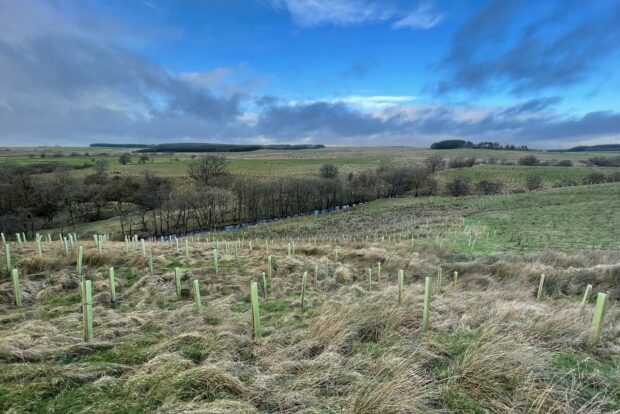
...watercourses. A shelterbelt is typically located on the upwind edge of a field, although if you want to tackle ammonia pollution from the air, it’s best to plant downwind from...
...watercourses. A shelterbelt is typically located on the upwind edge of a field, although if you want to tackle ammonia pollution from the air, it’s best to plant downwind from...
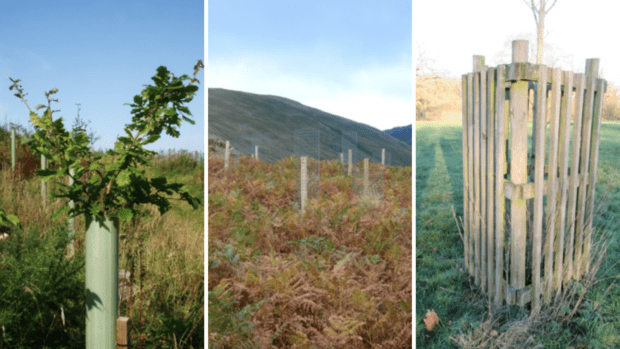
...or clumps of trees can be vulnerable to livestock and are best protected by stock fencing, which can also deter deer. Larger projects can incorporate well-managed rides and open space...
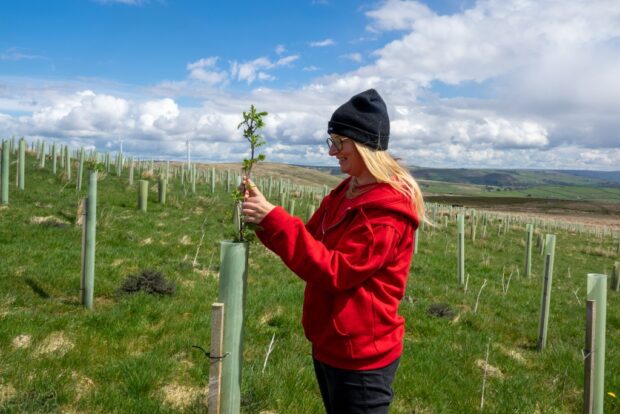
...landscapes works best hand in hand with leaky dams, sphagnum moss planting and other upland restoration techniques to reduce flood risk for our downstream communities. Whilst in its early stages,...
...best solution to help protect our plants and trees. However, many pests and pathogens can enter the country by other means including people bringing plants back from abroad, while some...
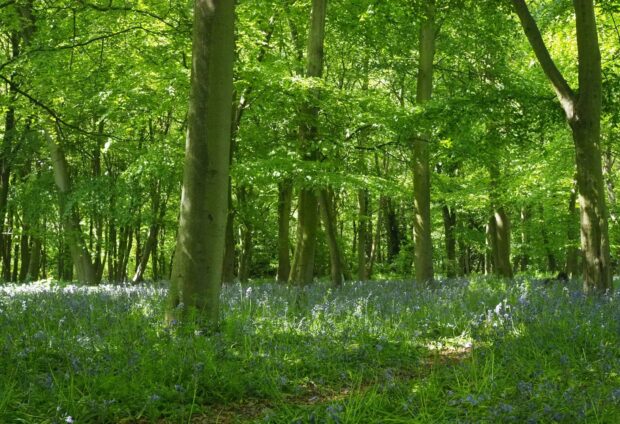
...England is home to some of the best examples of ancient woodlands, ancient wood pastures and parkland and ancient and veteran trees. These irreplaceable habitats must be protected. Their long-standing...
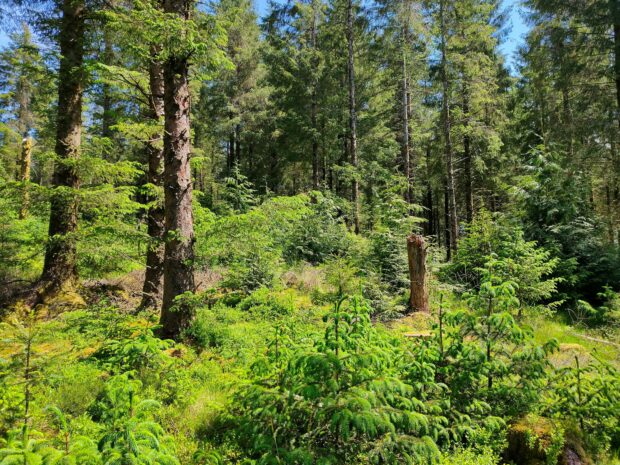
...management history needs to be properly considered to evaluate the best treatment; windthrow (trees uprooted by wind) can be a significant risk in woodlands where thinning has relapsed and the...
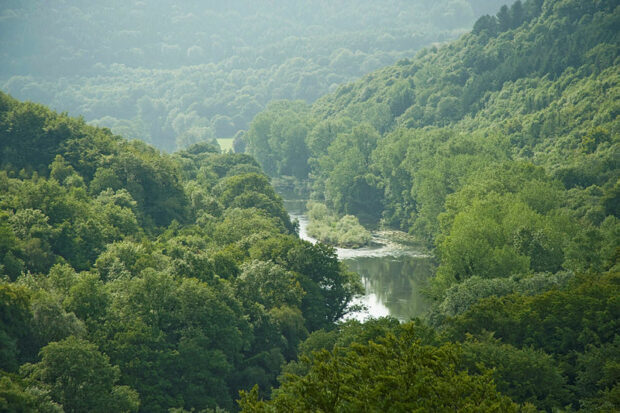
...easy to choose what, where or how to plant. Usually, it is best to take your inspiration from nature. What is growing naturally on or near your land already? Where...
...our communities, and our economy. It is therefore important that we do our best to keep them healthy. But, our trees, woodlands and forests are at risk from harmful tree...
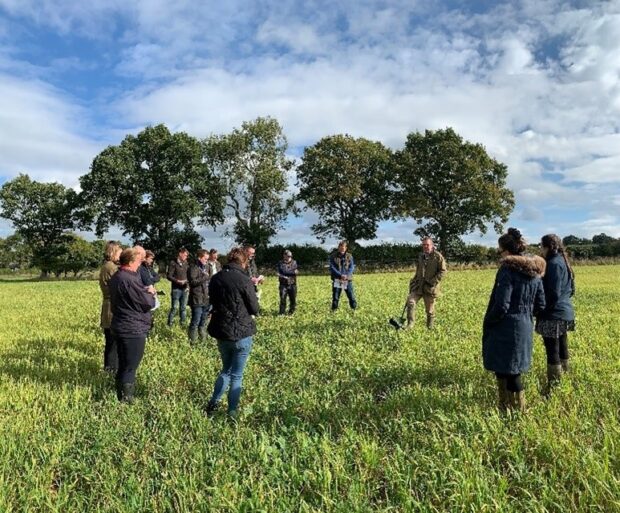
...grown remains healthy. Many want the land in better condition for future generations and are eager to learn how best to mitigate risks to the environment and ultimately, their livelihoods....

...a carbon store. Climate change is an existential threat to woods and forests, and we need to give them the best chance to keep pace. This may be by introducing...
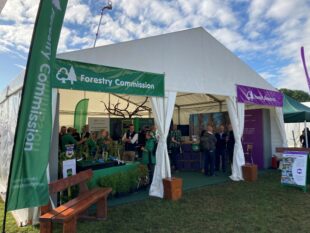
We attend a range of events to meet customers and give advice and guidance on planting and managing woodland.
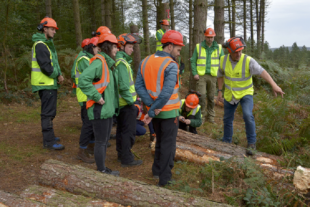
We also hold face-to-face and online training events on specific grant schemes and areas of forestry.
See our calendar of events.
See Civil Service Jobs for current vacancies at the Forestry Commission.
Read stories from our staff on the work that they do.
Sign up to our eAlerts to receive the latest information, advice and news from the Forestry Commission on a local and national scale.