 David White, Woodland and Climate Change Adaptation Advisor at the Forestry Commission, shares key guidance from the UK Forestry Standard to help you improve woodland resilience against climate change.
Trees must cope with many challenges due to a changing climate. My experience with Rose Wood reflects a challenge facing woodland owners and managers across the UK.
I planted Rose Wood in Lincolnshire in 2016, which has had to contend with five flooding events, two heatwaves, three droughts and little typical winter weather. In the past, that number of drought and flooding events may have happened during the whole lifespan of the trees, not just their first ten years.
As the pace of change accelerates, so must our approach to woodland management.
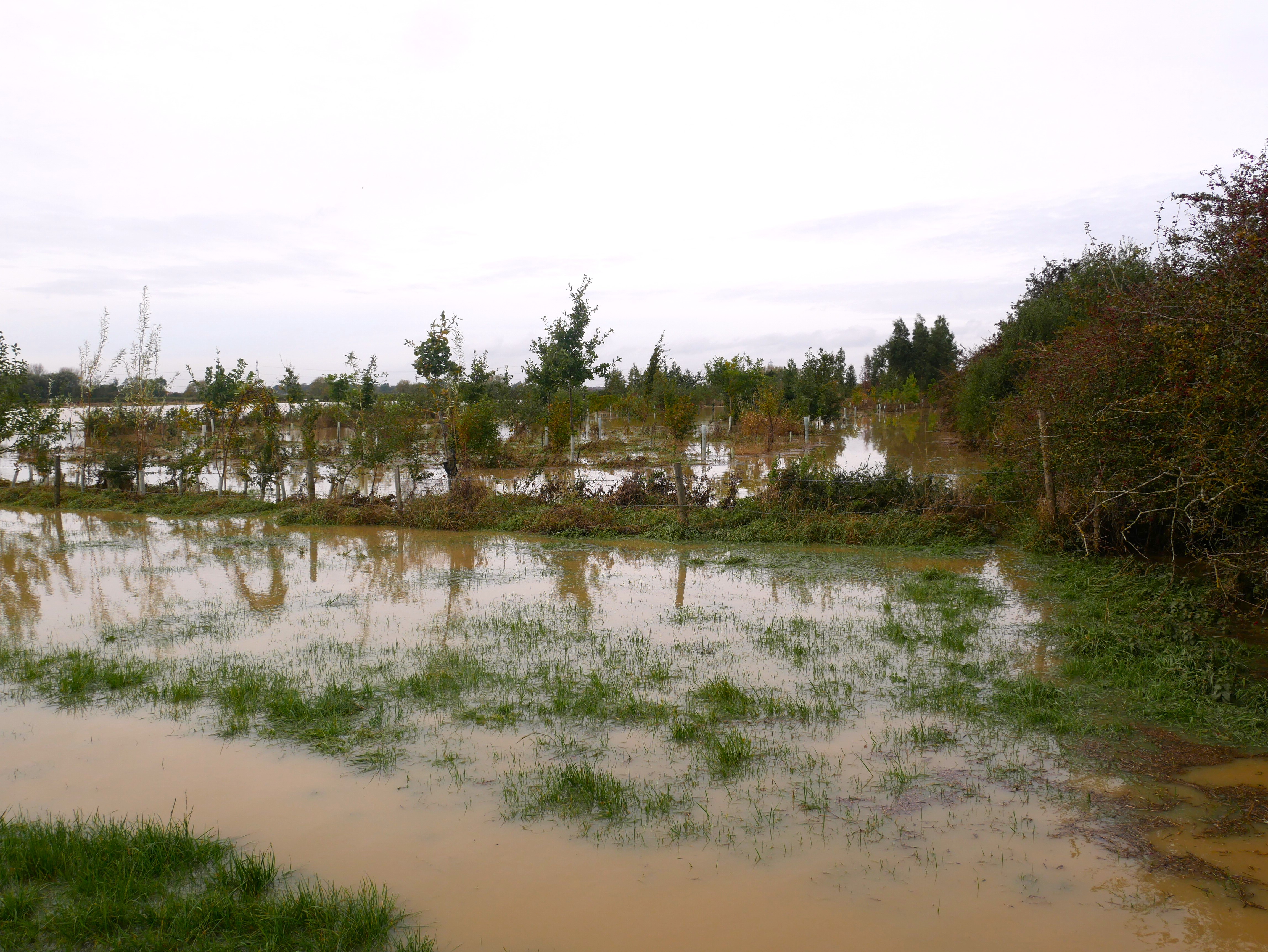
Woodland resilience to climate change
What were once extreme and rare weather-related events are now occurring on a frequent basis. The rate of change means that the challenge to forestry to understand, mitigate and adapt has never been more urgent.
That’s where the UK Forestry Standard comes in. It sets out the government’s approach to sustainable forestry and provides advice and guidance to help increase your woodland’s resilience to climate change.
Threats to your woodland
The first action any woodland owner and manager should take is to identify the threats to their woodland. Every wood will be different dependent on its location, size, age class, history, composition and management objectives.
Threats can often have more serious impacts when they occur at the same time as other threats, like:
- increased temperatures and decreased summer rainfall – which contributes to tree mortality rates, drought, wildfire incidents and greater susceptibility to harmful pests and diseases
- severe or unseasonal wind conditions – this can lead to wildfire incidents and increases in potential unwanted pests and diseases, particularly where trees are already weakened
- heavy rainfall leading to flooding – this contributes to long-term tree mortality and decreased tree stability due to root dieback
Record threats in a woodland management plan
Woodland owners should also consider threats that could potentially impact their woodland due to future conditions created by a changing climate. All threats should be identified and recorded in a woodland management plan. It’s best to plan first and then act.
Reviewing your woodland management plans regularly is advisable. The standard woodland management plan is intended to last for ten years, but the rate of change in this period can be extreme due to climate change.
You should try to regularly monitor, review and have contingency plans in place. With wildfire events predicted to increase due to climate change, it’s important to assess and plan for wildfire incidents.
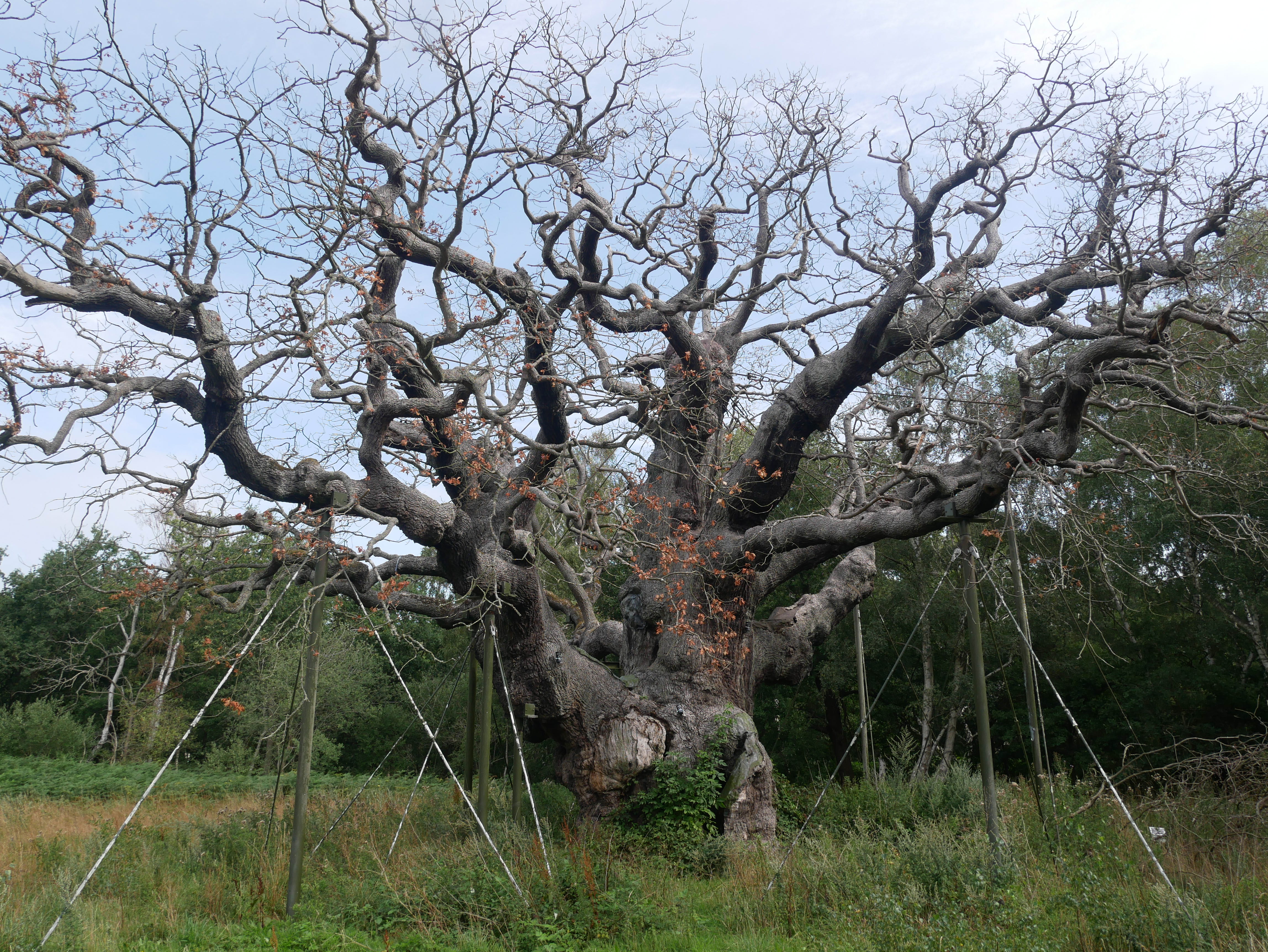
Woodland carbon capture
Woodlands play a vital role in the fight against climate change through carbon capture and storage – but only if the trees within them are thriving, not just surviving.
Carbon is locked up in growing trees, deadwood and forest soils, and is stored in wood products across their lifetime. Timber grown in a sustainable manner not only stores carbon but also replaces energy intensive materials that use fossil fuels, such as plastic, concrete and steel.
Keeping woodlands in good condition is therefore essential, and forest operations, timber removal and haulage should minimise the use of fossil fuels, single use plastics and soil disturbance.
Creating new woodland can help environmental systems adapt to climate change. However, exceptional dry spells such as those in 2018, 2022 and 2025 have led to very high tree losses, underscoring how important it is to get establishment right from the start.
Soil assessments
Site conditions and soil characteristics should be fully understood to ensure selected trees are well suited to the site now and in the future. The Ecological Site Classification tool can assist with decisions around tree suitability but must be fine-tuned by digging holes on site to assess soil types. Forest Research has a useful field guide to help identify soils for forest management.
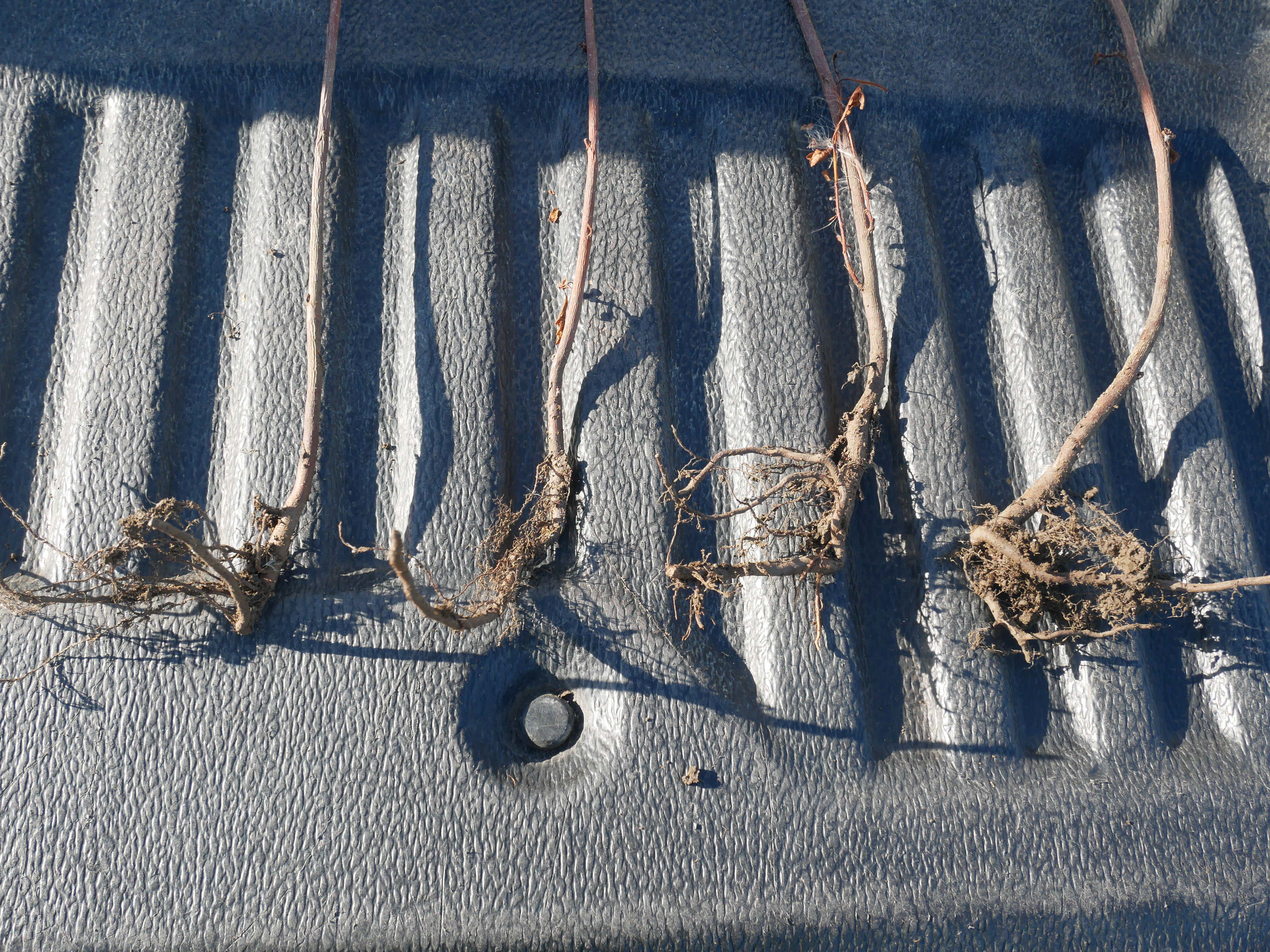
The cultivation of soils before planting trees will affect your site’s carbon stores, as previously secured carbon will be released, therefore impacting carbon stores. Although, the growth of your woodland and increased tree survival rates could warrant this short-term loss.
You should question whether soil cultivation is necessary for tree establishment. If it is, then cultivation should be kept to the minimum required and involve the least damaging intervention to quickly and successfully establish your trees.
New woodland creation
When planting new woodland, establishing trees quickly is crucial. Consider the following:
- choose the correct tree species and ensure planting stock is healthy and of an appropriate size with a quality root system
- handle, store and transport plants with care at all stages of the planting operation
- ensure that the correct planting tools and protection methods are being used
- the people planting trees should receive adequate training to ensure planting is correct
- instead of planting bare rooted trees in the spring, consider delaying planting until later in the autumn when conditions may be more favourable for establishment
It’s a myth that large trees establish more quickly – what’s important is to use forestry grade trees for woodland creation.
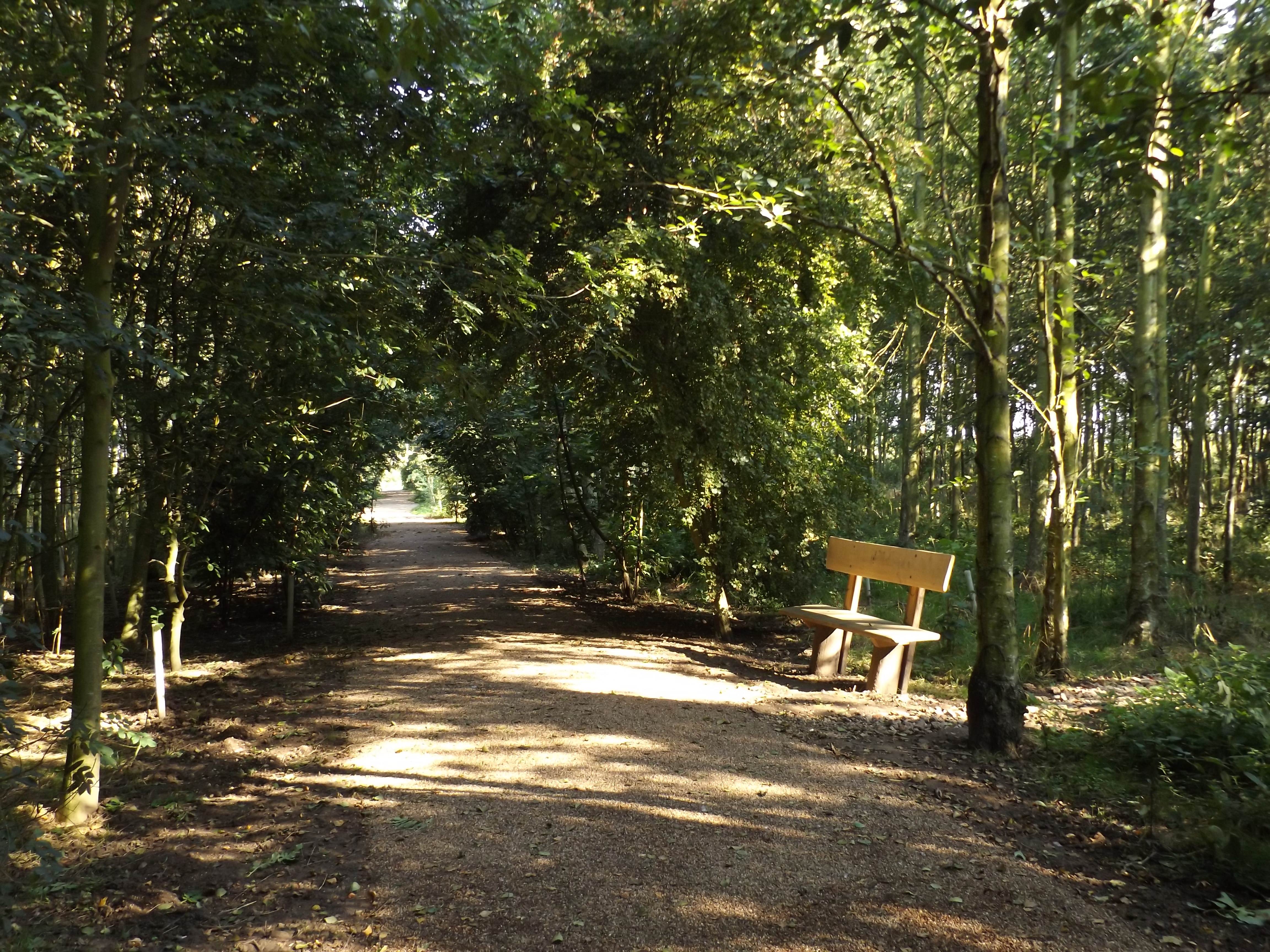
Woodland adaption to climate change
Natural woodland colonisation is the process by which trees naturally seed into surrounding open habitat, gradually forming new woodland. It can be used to create new woodland but it’s important to understand the mechanics behind it.1 The tree seed source must be nearby, and grazing disturbance from mammals must be minimised.
The use of natural colonisation indicates some genetic suitability to a site now. However, using local provenance planting stock does not guarantee suitability to the site conditions now or in the future.
Having trees from a wide genetic base gives your woodland the best chance to adapt to the impact of climate change. A mixture of well-suited tree species brings different adaptation strategies to a changing woodland world.
Guidance on how to future proof your woodland can be found in the UKFS practice guide to adapting forest and woodland management to the changing climate. Further climate adaption advice and guidance can be found on Forest Research’s Climate Change Hub.
You may also be interested in Silvestor’s UKFS eLearning courses.

2 comments
Comment by ANDREW GOLDSMITH posted on
On flood areas surely willow would thrive and hold the soil? It’s been used along river banks for hundreds of years. Also a useful cash crop for pellets and wood chip mulch. A table of tree properties soil types wet and dry tolerances, rooting wind resistance and disease tolerance as a guide to select trees for planting to future proof our woodlands. (Holywell Wood 10.5Ha ASNW Cumbria )
Comment by Iainplumer broadleaf charcoal posted on
Hi it is well known that a great percentage of forestry worker and charcoal burners like my self are dyslexic. If the work needed to put into management more woodland the forestry commission need to allocate champions to do the computing work needed to get grants and felling licences etc.in my 40 years of charcoal making and woodland management peter noot at Farnham managed my paper work enabling 100s of acres to be coppiced and put into management. We need champions like we need the right trees in the right places.