 Baroness Hayman of Ullock, Parliamentary Under-Secretary of State (Minister for Biosecurity, Borders and Animals) discusses the significant impact invasive grey squirrels have on our woodlands and native red squirrel populations, and the landscape-scale effort needed to manage them.
The grey squirrel is one of the UK’s most widespread invasive non-native species. Introduced in the late 19th century, it has expanded its range across England becoming a familiar sight in gardens, parks and woodlands – but with significant ecological and economic consequences.
The economic cost of grey squirrels
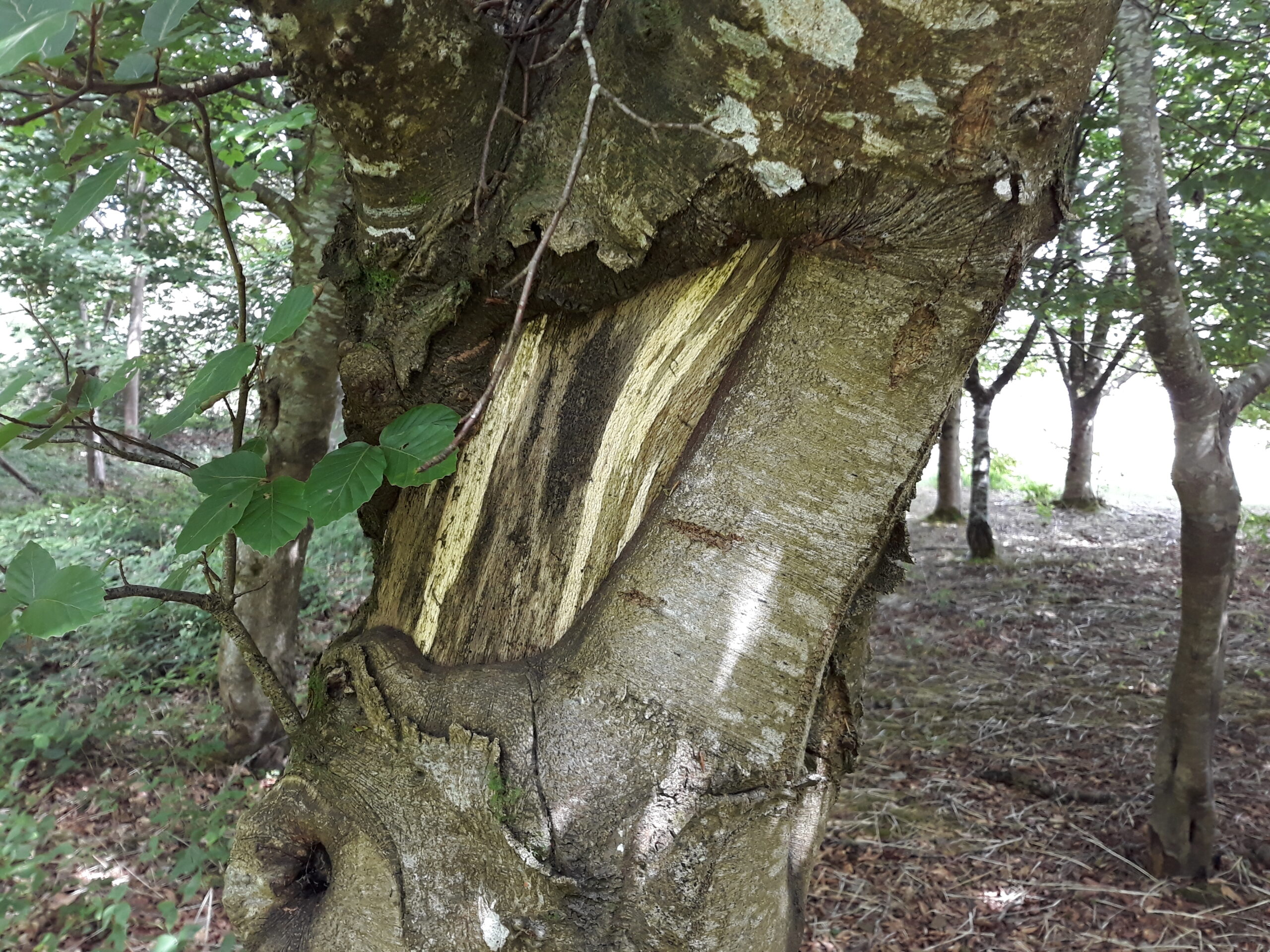
Grey squirrels cause substantial damage to trees and woodlands. Bark stripping by grey squirrels can damage or kill trees, reducing timber quality and undermining efforts to increase tree and woodland canopy cover. This damage is estimated to cost around £37 million per year,1 representing a significant threat to the potential economic growth, productivity and resilience of our woods and forests.
The impact on red squirrel populations
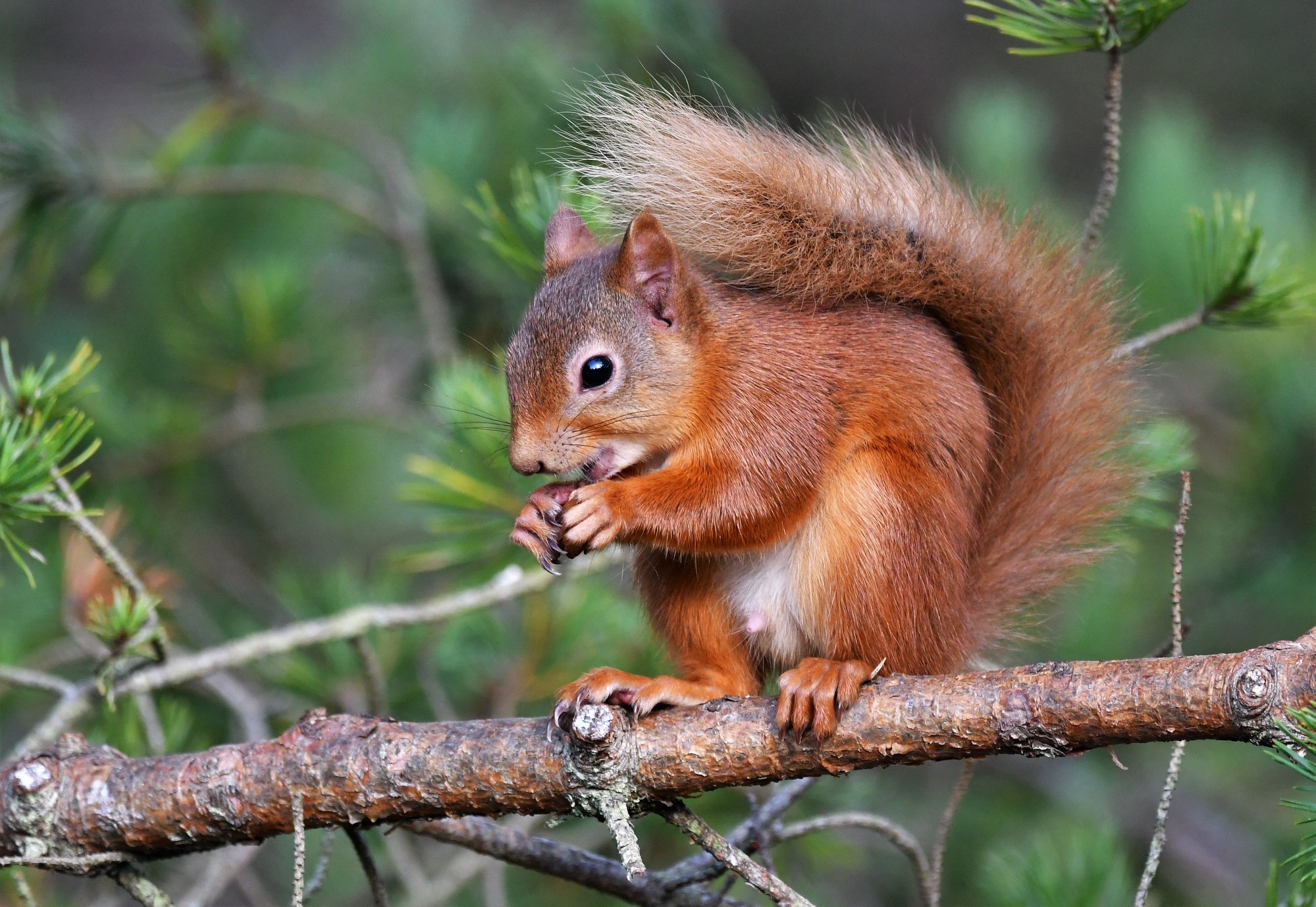
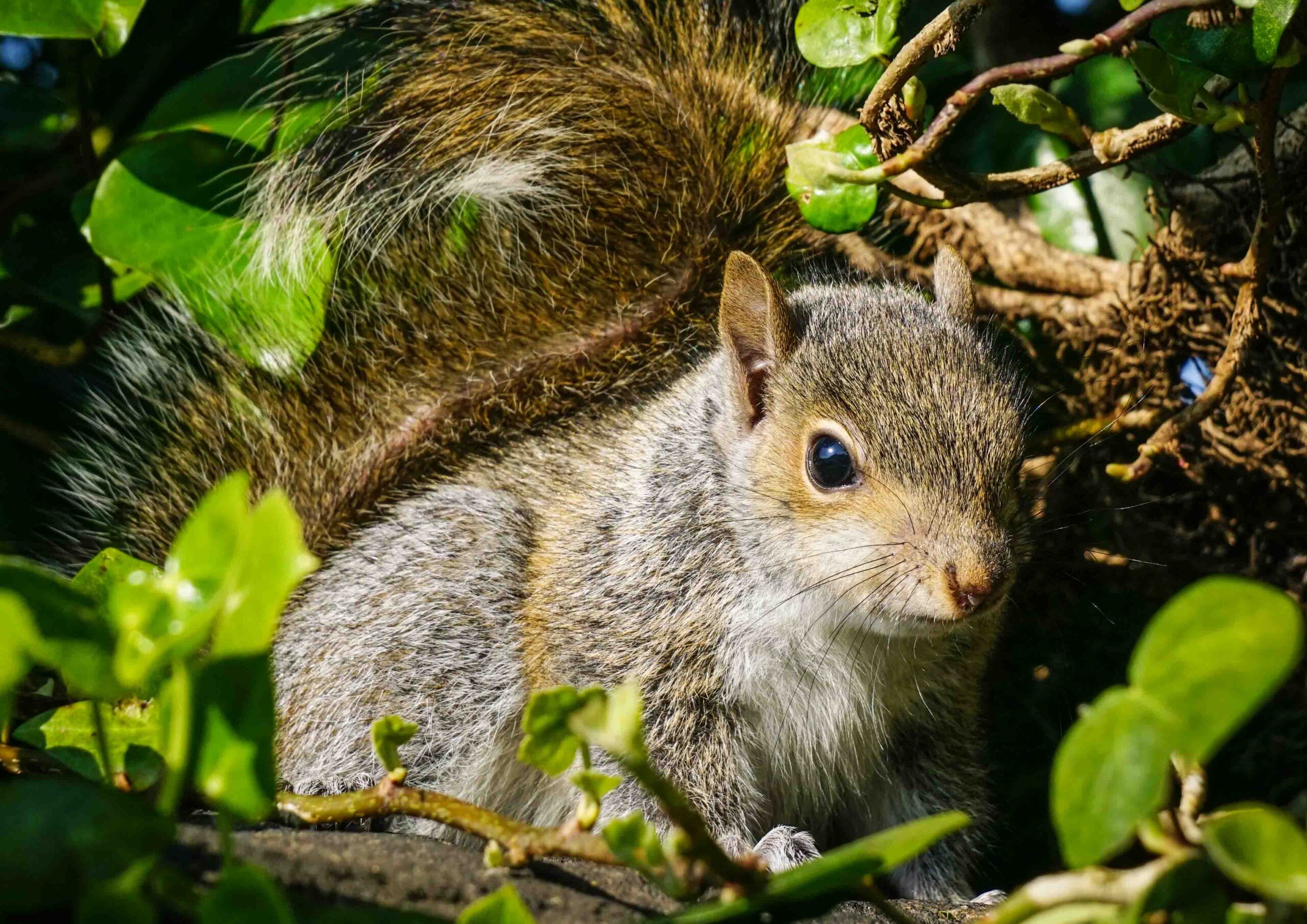
Non-native grey squirrels put significant pressure on our native red squirrel population, a protected species which is recognised as endangered in this country. Through competition for food and habitat, as well as carrying squirrelpox virus – which is largely harmless to greys, but usually fatal to reds – grey squirrels have driven dramatic declines in red squirrel numbers.
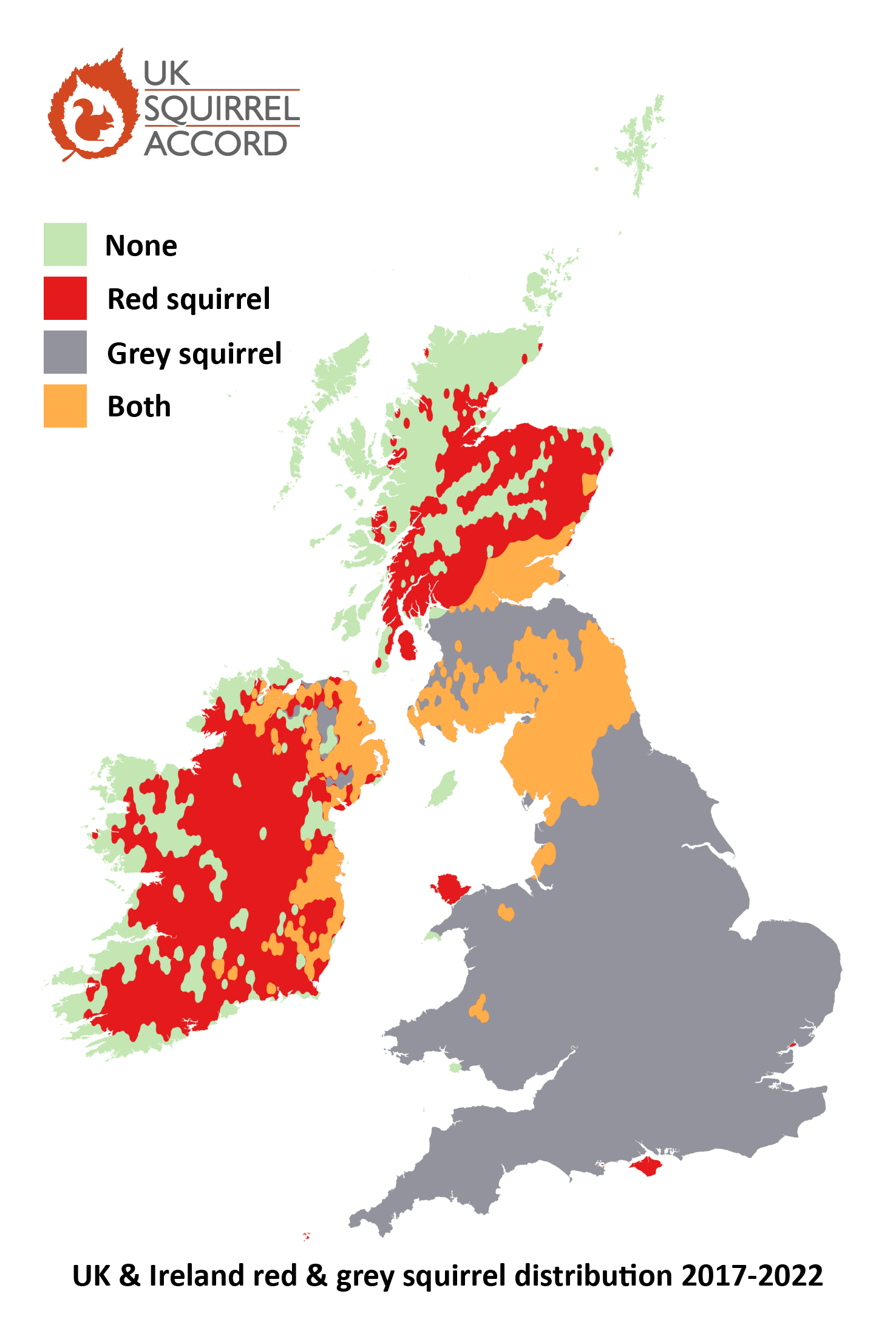
Today the red squirrel population is fragmented, predominantly found in the north of England, Scotland and Ireland. Additional isolated populations can be found in Wales and on the islands in Poole Harbour, the Isle of Wight, and Mersea Island.
But there is hope. Targeted management of grey squirrels has consistently enabled red squirrel populations to stabilise and recover in key areas, showing that coordinated action can make a meaningful difference. I am lucky to live in an area where there are still red squirrels.
Government support and commitment
Addressing the challenge of a widespread invasive species requires a range of approaches and action at scale to manage grey squirrels, and to conserve red squirrels and restore their habitats.
The grey squirrel policy statement published in January this year laid out the actions we will take over the next five years. The Department for Environment, Food and Rural Affairs (Defra) is committed to:
- providing financial incentives and advice to landowners and managers, including a species management plan, Capital Grant and the Countryside Stewardship Higher Tier (CSHT) grey squirrel control and management action
- enabling joined up communications and training to coordinate action across landscapes, including improving skills and knowledge in grey squirrel management
- supporting research into novel forms of grey squirrel population management
At the end of 2025, Defra had issued 450 agreements for the CSHT supplement WS3: Grey squirrel control and management – covering 54,540 hectares.
These measures help to ensure that those working on the ground are equipped with the knowledge, tools and resources they need.
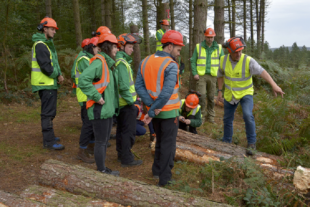
Much of this is delivered by the Forestry Commission who encourage landowners to apply for available incentives, advise on grey squirrel management and appropriate woodland management, and ensure that landowners know how to avoid forestry operations that disturb red squirrels during the breeding season.
The importance of coordination and partnerships to manage grey squirrels
Effective grey squirrel management depends on strong partnerships, with Defra and the Forestry Commission working with the forestry and wildlife sector, as well as community and volunteer groups. We do this principally through our support and participation as a signatory to the UK Squirrel Accord (UKSA).
The UKSA plays a key role in coordinating efforts, creating new landscape-scale action groups and providing guidance to its member organisations on the ground. Through dedicated Squirrel Officers, the UKSA increases grey squirrel management across woodland areas. Officers also work with landowners and volunteers in Yorkshire, Lancashire and County Durham. They enable the recovery of red squirrel populations remaining in these counties, as well as help to buffer England’s few remaining red squirrel strongholds in Cumbria and Northumberland.
Seven new UKSA-supported volunteer groups are now operating across 565,000 hectares of land with over 200 new volunteers, engaging nearly 5,000 stakeholders – helping to significantly extend the reach and impact of conservation efforts.
A landscape-scale effort driven by volunteers
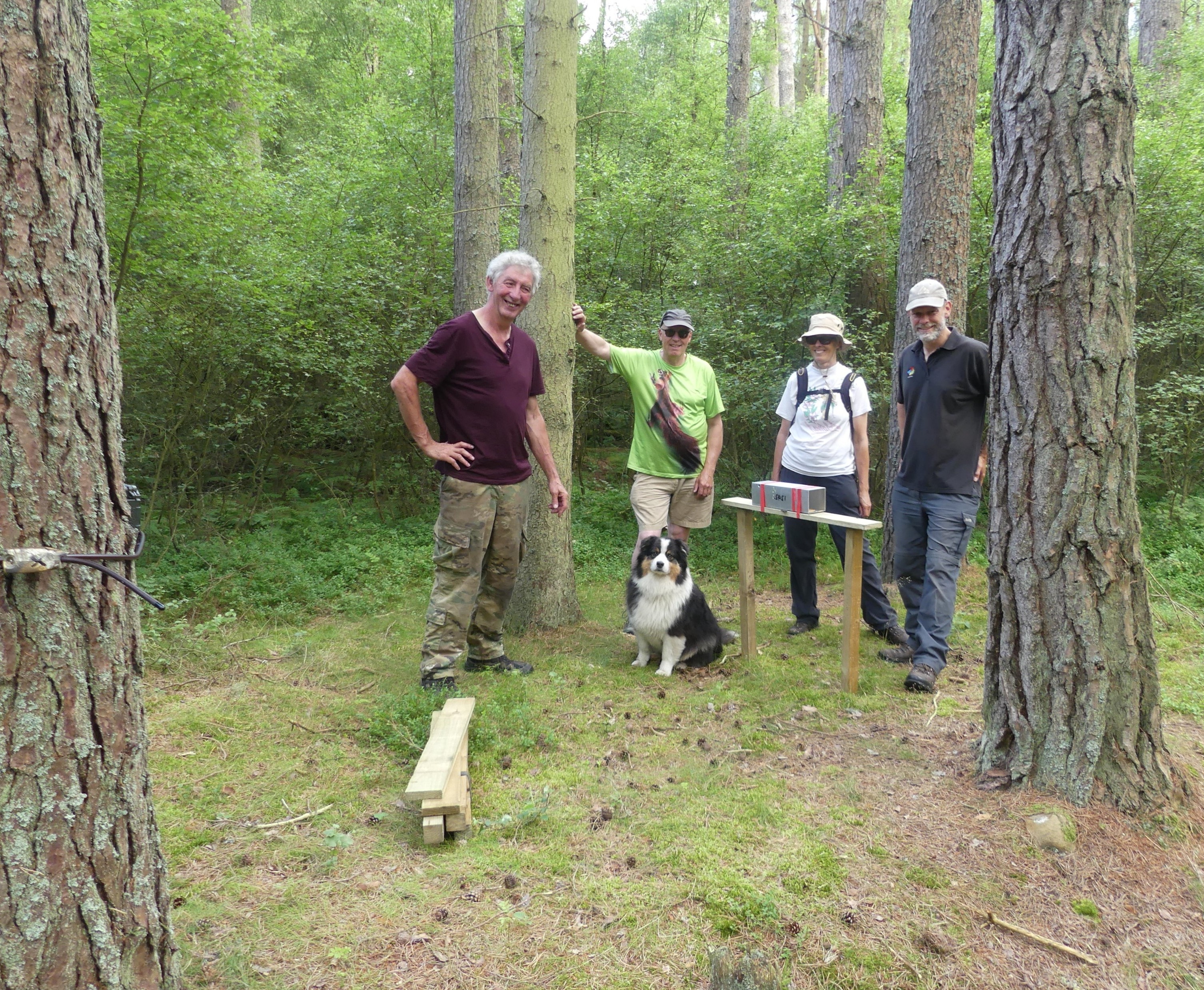
Volunteers play a vital role in a highly active, on-the-ground red squirrel conservation community that is also targeting grey squirrel impacts, alongside members of the public, landowners, wildlife organisations and government bodies.
In Cumbria alone, we have 15 red squirrel volunteer groups dedicated to conserving our red squirrel population.
Their work includes surveillance to monitor the population and to track any incursions of grey squirrels into red squirrel areas, as well as direct grey squirrel management. In Cumbria, many groups have a red squirrel hotline that allows the public to report sightings of grey squirrels, which are then followed up by local red squirrel wardens.
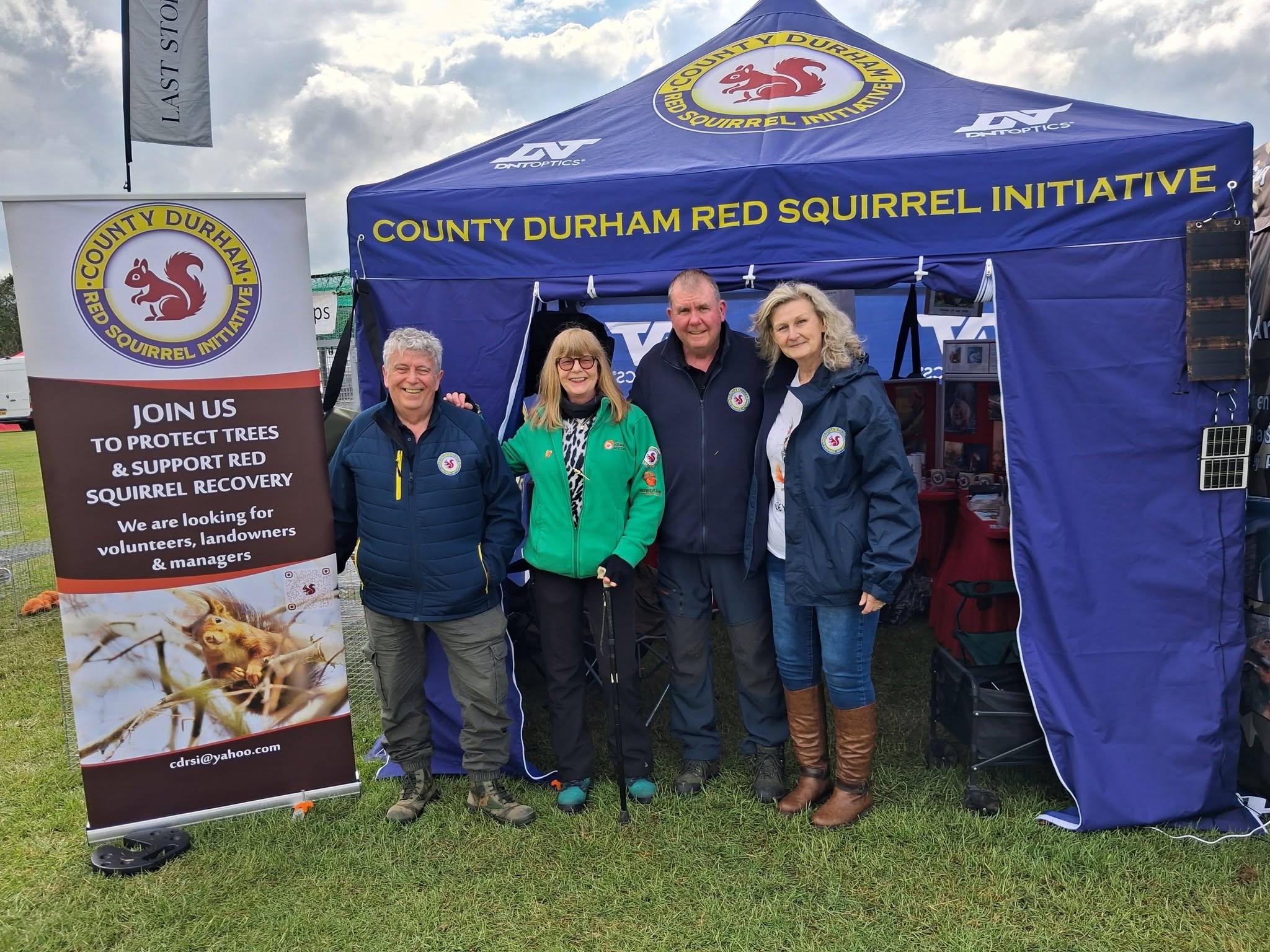
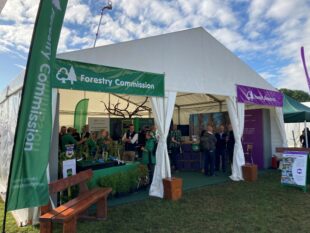
A key part of managing grey squirrels and supporting red squirrel conservation is in raising awareness and helping to build public understanding and support. Volunteers are a regular presence at shows and public events, and deliver webinars and talks in their local communities.
There is also a whole volunteer movement outside of red squirrel areas, protecting our treescapes and preparing the way for potential red squirrel population expansion or reintroduction. This outreach is crucial and enables volunteers to identify and work with landowners to increase and improve woodland habitats for red squirrels.
Evidence-based action
Data and evidence underpins this work. Tree damage surveys, like those run annually by the UKSA, are an important tool for understanding the scale and distribution of grey squirrels and their impact on our woodlands. These surveys help to quantify economic and ecological damage, identify priority areas for intervention and track the effectiveness of management actions over time.
Monitoring of grey and red squirrels through camera traps and on the ground surveys, as well as public reports, provides the data needed to inform decisions and target interventions. Surveillance has also identified a new population of red squirrels in North Yorkshire, expanding our knowledge about their distribution in England.
Innovative approaches to grey squirrel management
While established management methods such as trapping and humane dispatch remain important and are being continually improved, Defra is also supporting innovative techniques to improve long-term outcomes. These include:
- the UKSA-led fertility control contraception project, which aims to reduce grey squirrel populations over time
- monitoring the impact of pine marten reintroductions on grey squirrel populations to inform potential management practices
These approaches reflect a commitment to developing sustainable, science-led solutions.
Securing a future for thriving woodlands and red squirrels
Grey squirrels present a complex and far-reaching challenge for the UK’s environment and economy. However, through coordinated action – combining government support, volunteer commitment, scientific innovation and strong partnerships – real progress is being made.
Managing grey squirrel impacts not only protects valuable trees and woodland resources, it also creates the conditions needed for red squirrel recovery. By continuing to invest in landscape-scale approaches and empowering those on the ground, Defra and its partners are helping to deliver lasting benefits. I hope that many more of us will be able to see our iconic native red squirrels first hand in our local woodlands.
For further guidance watch our squirrel management videos, or visit the UK Squirrel Accord to get in involved in conservation efforts. You can also find out more about Invasive Species Week and how to help reduce the impacts of invasive non-native species.
6 comments
Comment by mark posted on
The control of grey squirrels is made extremely difficult where pheasant feeders are used as part of commercially rearing pheasants for shooting. In these circumstances the numbers of greys explode because of the abundance of food. Evidence for this is clear. If greys are to be controlled then the food source also needs control along with trapping and dispatch. Trapping will not work where there are abundant sources of food.
Comment by Brian Moughtin posted on
West Yorkshire Red Squirrel Alliance is developing a growing network of landowners and volunteers to protect trees and help Nature Recovery of our iconic Red Squirrels.
If you are interested please email westyorksrsa@gmail.com
Comment by Iainplumer broadleaf charcoal posted on
If you place plastic tubes in the coppice the squirrel brings acorns and fills the tubes then you can place traps near by .you get loads of acorns to replant and eliminate the preditors job done
Comment by Forestry Commission posted on
Squirrels typically bite out the germ of an acorn before they bury them, preventing germination. This keeps the acorn from sprouting so that it stays a stable food source throughout winter.
Comment by W.Simmons posted on
Allow the volunteer red squirrel groups access to FC woodland !
You are not controlling the greys properly
Comment by Forestry Commission posted on
Forestry England works with stakeholders and volunteers to deliver safe, legal, and targeted grey squirrel management, reducing impacts on trees and helping to conserve our red squirrel population. For more information you can visit: https://www.forestryengland.uk/article/managing-grey-squirrels