 Alison Hallas, Woodland Access Adviser at the Forestry Commission, explores how the UK Forestry Standard (UKFS) offers a practical framework to woodland owners to manage woodlands and forests for people, and respond to real world challenges.
Many of our woodlands and forests have been shaped over the decades as much by people as by soil, water and climate. From supporting health and wellbeing to strengthening local economies and communities, trees and forests remain a vital part of our everyday lives.
The UKFS recognises this and provides woodland owners with a framework to managing people’s use of forests alongside wider management objectives such as biodiversity and timber production.
Why managing forests for people matters
From small community woodlands to larger forests, UK woodlands deliver a wide range of social and economic benefits. They provide places to exercise and relax, spaces for learning, and opportunities for volunteering and employment. Demand for access to green space is growing, but Natural England research shows access inequalities persist across different communities.1
Woodlands can help address both demand and inequality, which is why the UKFS encourages forest management that:
- maximises public benefits where appropriate
- supports community involvement and shared stewardship
- promotes equitable access for people of all backgrounds and abilities
- manages risk so people can enjoy woodlands safely
For woodland managers, this isn’t about opening every site to all activities. It’s about making evidence-based decisions that reflect a woodland’s sensitivities, objectives and local context. In return, visitors can help care for the woodland and report problems, such as antisocial behaviour or wildfire, so that they can be dealt with quickly.
Health and wellbeing benefits
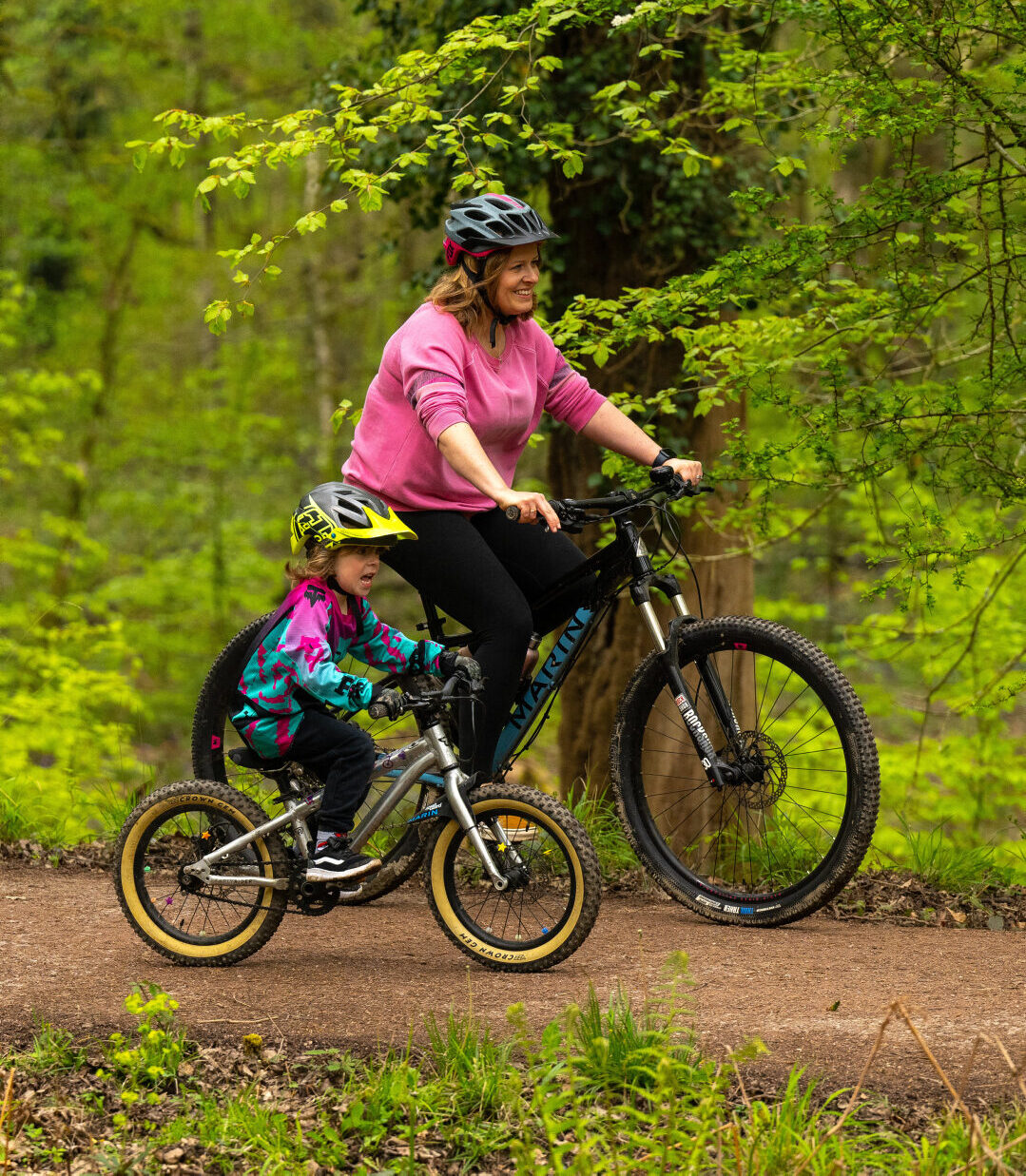
Evidence of the positive impacts of trees and woodlands on physical and mental health continues to grow. Regular access to green spaces is linked to improved mental wellbeing and reduced stress levels.2
The UKFS supports woodland managers by encouraging:
- provision of access above that required by law, where possible
- peaceful spaces alongside more active recreation
- design that supports traditional and cultural uses
Where managers experience issues such as informal path creation or anti‑social behaviour, positive access management can help guide people to suitable areas while reducing pressure on sensitive habitats.
Forests for everyone
Public access is one of the most visible aspects of people’s connection to forests. The UKFS supports appropriate and well‑managed access, highlighting legal responsibilities and providing a set of key principles including:
- matching access provision to site characteristics
- managing activities to protect safety and the environment
- working with user groups such as Ramblers or the British Horse Society where demand is growing
Where managers face issues such as conflict between users or pressure on infrastructure, the UKFS provides a clear rationale for zoning, seasonal restrictions or managed routes.
In addition, not everyone experiences forests in the same way and barriers to access can include physical ability, confidence, cultural perception and location.
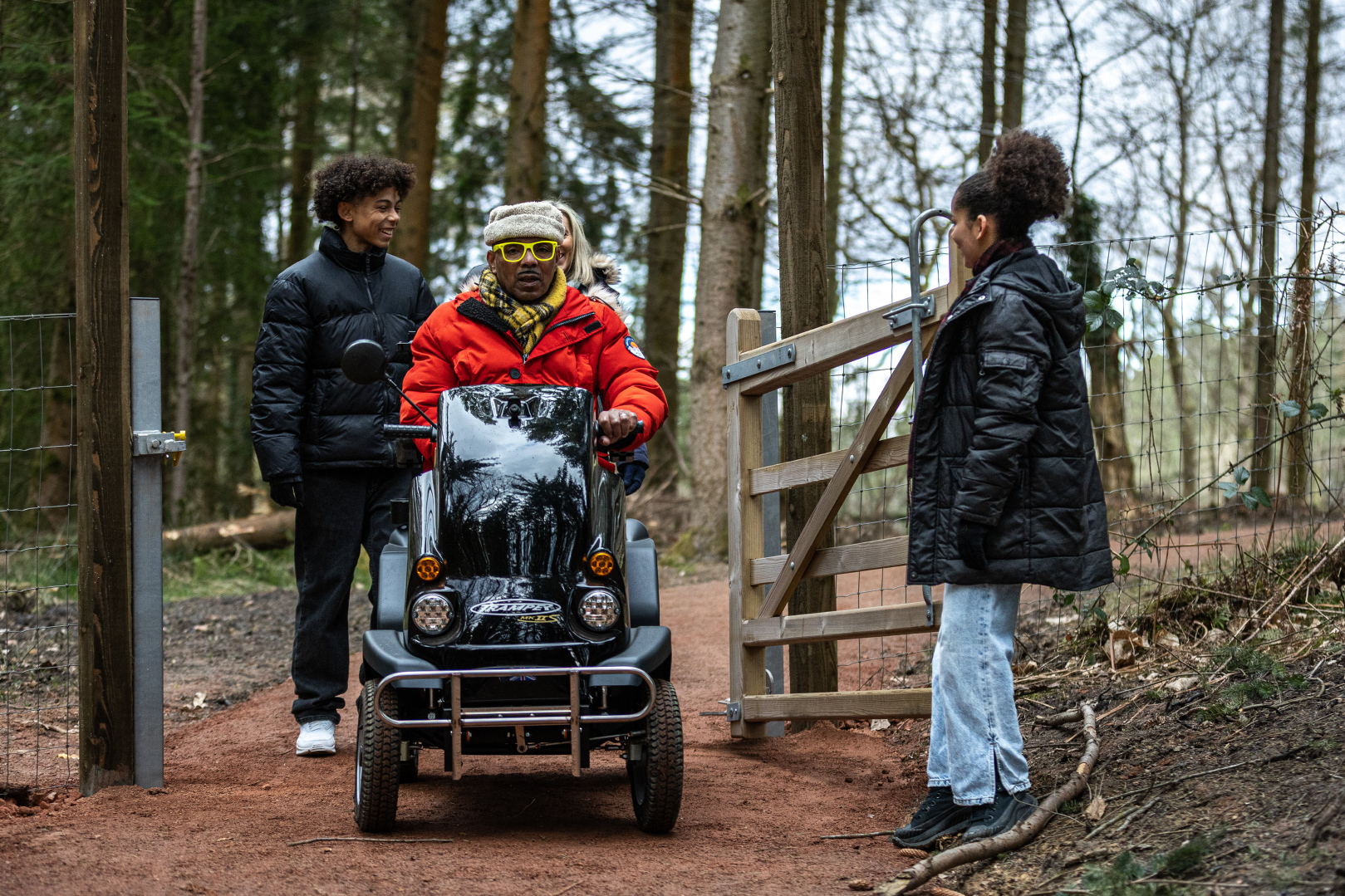
The UKFS highlights legal requirements for equality and encourages inclusive design and engagement with underrepresented groups, for example people with reduced mobility, to make sure that everyone’s needs are met wherever possible. One of the key principles is the need to remove unintentional barriers and avoid introducing new ones, such as removing stiles where they aren’t needed or replacing steps with a ramp. Addressing this helps to ensure forests benefit everyone, not just those already confident in visiting them.
Supporting the rural economy
Woodlands are central to local and rural economies, creating and supporting jobs in forestry, recreation, tourism, education and land management. Recent Forestry Commission experimental research suggests that the contribution of forest recreation and leisure businesses to the UK economy is significant.3
The UKFS highlights how recreation and tourism can sit well alongside timber and conservation objectives. Well-managed access can support local businesses, such as accommodation and hospitality providers by offering high quality places to visit. Commercial recreation activities such as high rope courses and children’s play trails can also contribute in a sustainable way.
For woodland managers navigating multiple management objectives, the UKFS supports transparent decision making and collaboration with local partners.
Forests are powerful learning environments
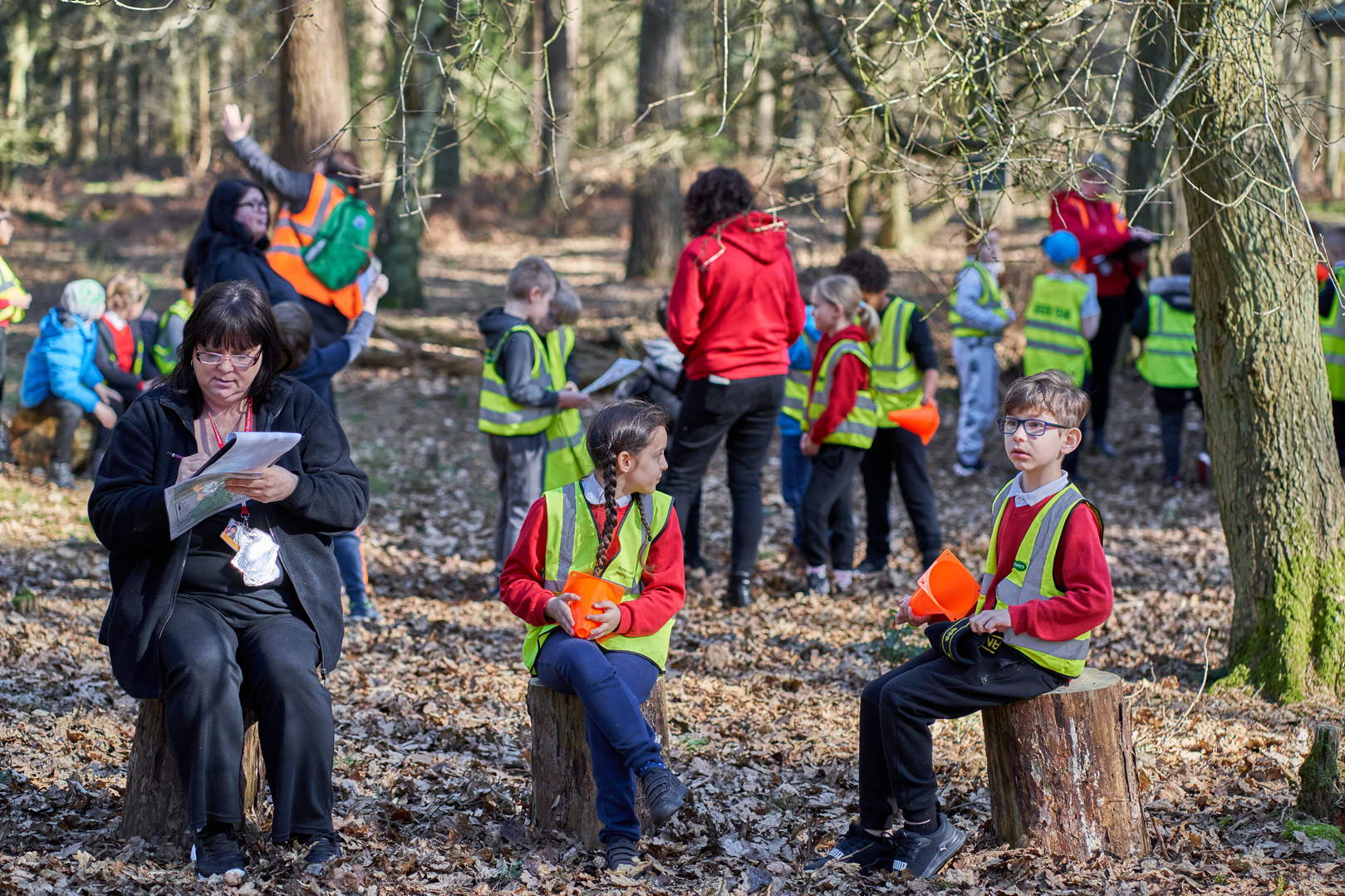
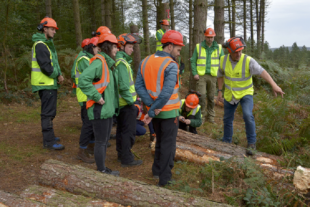
Forests and woodlands can also offer learning opportunities from early years exploration to vocational training. The UKFS encourages collaboration with learning providers, helping to deepen people’s connection with the natural world and to build forestry skills for the future.
Educational use needn’t be large scale. Simple interpretation boards can support self‑led learning and occasional visits can be accommodated in many woodlands with good planning. Partnerships help manage expectations and responsibilities as well as building stronger relationships with the local community.
Well‑managed educational access can also improve the public’s understanding of forestry practices. This can help to address concerns about harvesting or forestry operations, and strengthen public support for woodlands and the timber and forestry industries.
Working with local communities
Engaging communities can transform how woodlands are valued and cared for. The UKFS promotes positive community involvement, from volunteering and citizen science to participatory planning.
This approach can help address challenges such as:
- local opposition to woodland management activities
- lack of knowledge about long‑term forest planning
- vandalism or misuse
By involving people early and clearly explaining decisions, managers can build trust and shared responsibility, while retaining professional oversight of management and forestry operations. They can also tap into valuable local knowledge.
Public safety and management
Keeping people safe is central to the UKFS. It highlights legal responsibilities, some of the common hazards in woodland environments and reinforces industry best practice approaches of proportionate risk management, including:
- clear communication where hazards exist
- integrating safety into operational planning
Putting the UKFS into practice
For woodland managers, the UKFS offers a practical framework for responding to real world challenges. It helps manage public benefits alongside sustainable management, aiding decisions that are evidence-based, transparent and support the long-term health of people and forests.
By planning for people as carefully as we plan for trees, we can ensure forests remain places that support health, learning, livelihoods and community wellbeing – now and for generations to come.
Discover more about how to manage people and public access in your woodland.
Leave a comment