It's a great time to be in forestry
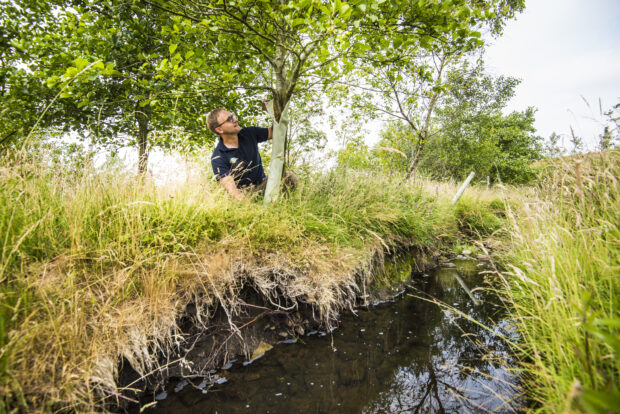
...at technical and professional levels, full-time courses at Level 3 and at degree level (Level 6). Career progression is strong as experience grows. Many in forestry come from other fields...
...at technical and professional levels, full-time courses at Level 3 and at degree level (Level 6). Career progression is strong as experience grows. Many in forestry come from other fields...
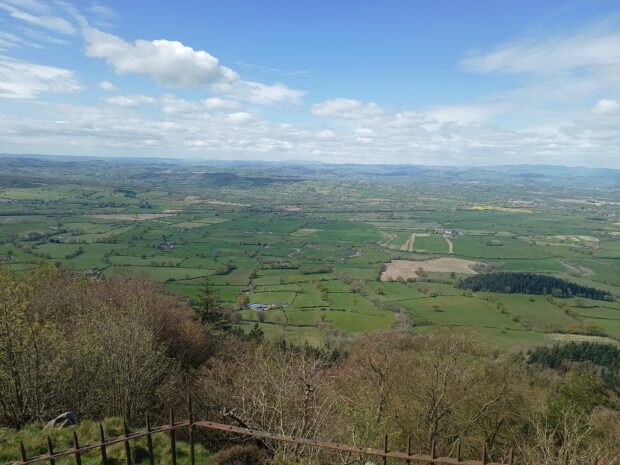
...us on a walk up Moel y Golfa and shares the benefits of nature for wellbeing. Choosing a favourite woodland walk is an almost impossible task for someone who spends...
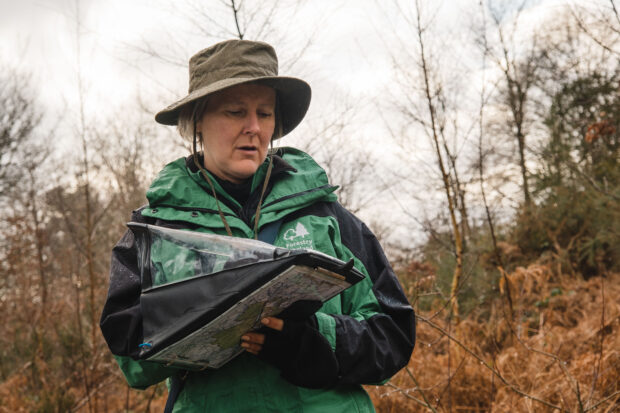
...a dynamic sector that is continuously responding to new science and innovation. Foresters are always developing their own skillsets, so don’t be intimidated if you feel like you don’t know...
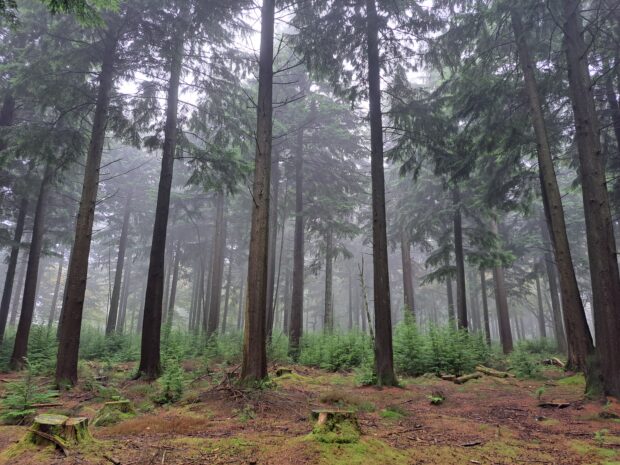
...of 2022. While many newly planted trees elsewhere died from drought, we didn’t lose any new trees at Culm Davy. A newly planted mixed species woodland plantation. The woodland is...
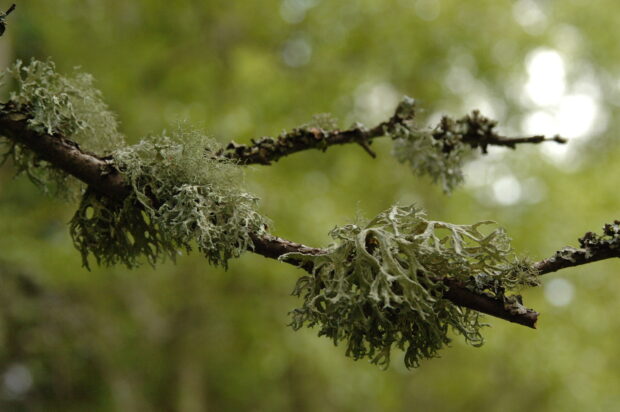
...trunks – so long as the conditions are right. Liverworts stabilize soil and riverbanks, reducing water evaporation and helping new plants grow. Liverworts up-close in Fore Wood, East Sussex. Lichen...
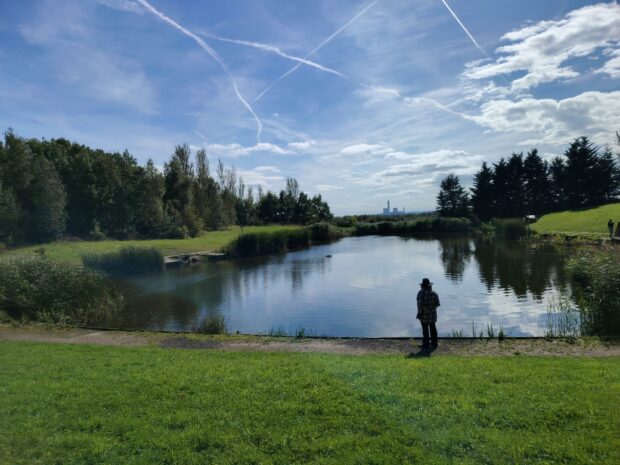
...visitors. These new green spaces enable future generations to engage in this important local history. Locations that once contributed to the area through mining and industry continue to provide benefits...
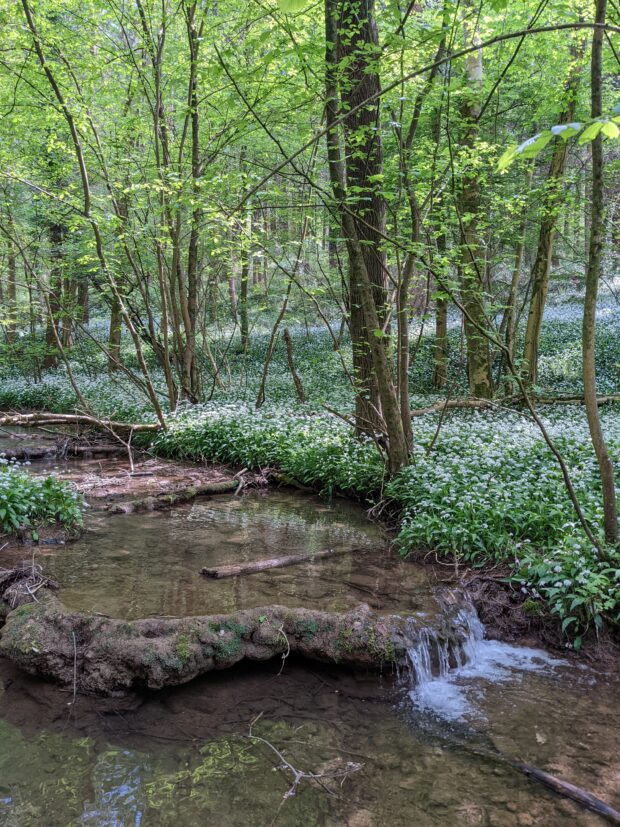
...an understorey of hazel, wych elm, alder, small-leaved lime and beech. Different fern species thrive in the moist conditions alongside the stream and springs while bluebells, dog’s mercury and coltsfoot...
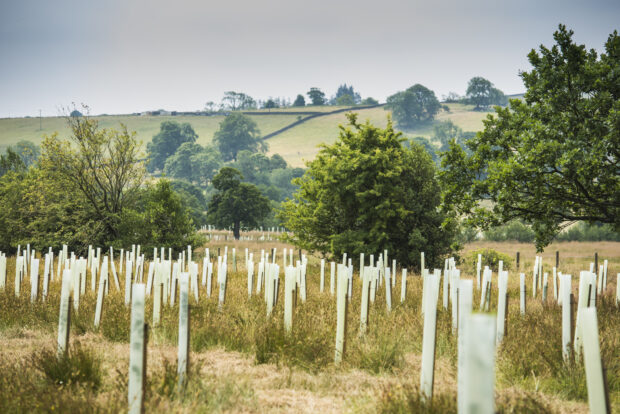
...3a and Grade 3b. Grades 1, 2 and 3a comprise ‘best and most versatile land’. How is land chosen for woodland creation? All agricultural land in England is eligible for...
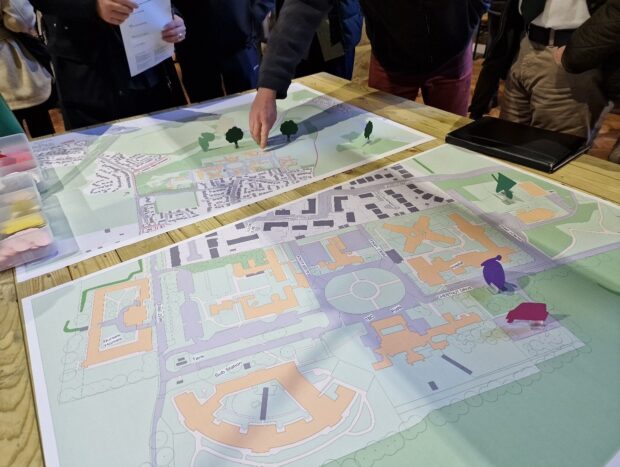
...Commission’s Landscape Character Appraisal suggests ways of illustrating schemes. An example of a model and plan being used to collect comments about proposals. Gair Wood, University of Leeds. Model produced...
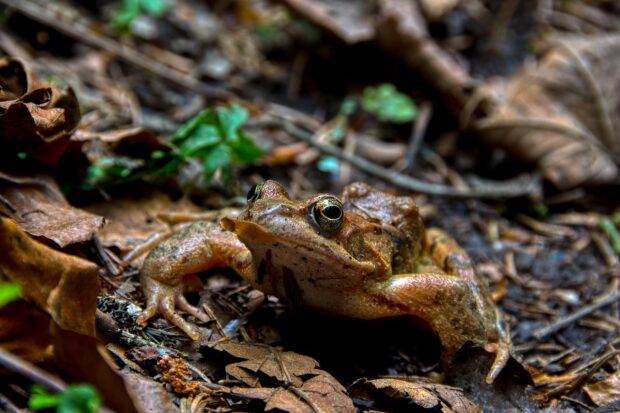
...reptiles – tucking themselves away in log piles, beneath stone walls, in compost heaps or underground burrows. Great crested newts may travel over a kilometre from the ponds they emerged...
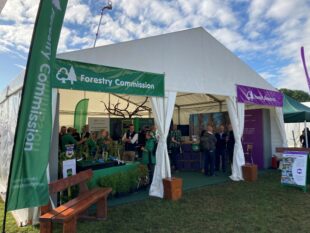
We attend a range of events to meet customers and give advice and guidance on planting and managing woodland.
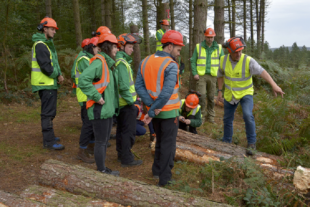
We also hold face-to-face and online training events on specific grant schemes and areas of forestry.
See our calendar of events.
See Civil Service Jobs for current vacancies at the Forestry Commission.
Read our careers blogs for an insight into forestry careers.
Sign up to our eAlerts to receive the latest information, advice and news from the Forestry Commission on a local and national scale.