The ancient tools that shaped our woodlands
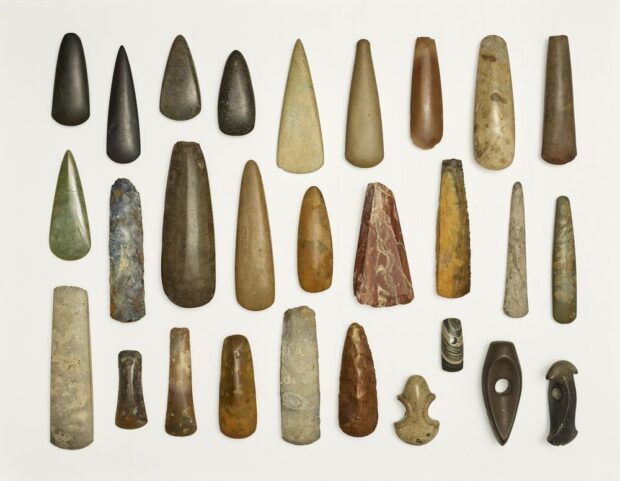
...to recolonise the land. Birch was the first pioneer tree species, followed by pine and then hazel, elm, oak and alder. At the same time hunter-gatherers were refining their use...
...to recolonise the land. Birch was the first pioneer tree species, followed by pine and then hazel, elm, oak and alder. At the same time hunter-gatherers were refining their use...
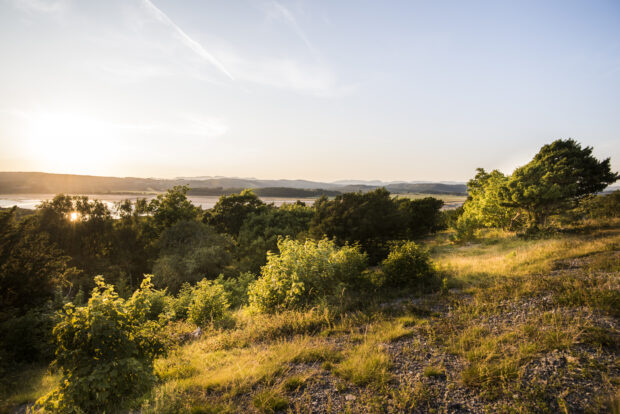
...dynamic spaces, from newly cleared areas to maturing edge vegetation, means that there is always something in bloom to support vital insect-plant partnerships. Butterflies Woodland edge habitats are essential for...
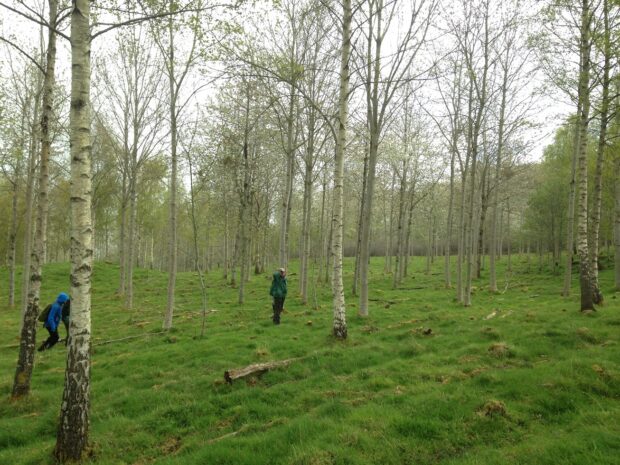
...tree’s life cycle: from establishment and protection through to pruning and harvesting. Each of these stages needs thoughtful consideration when designing a new agroforestry system. As with any good farming...
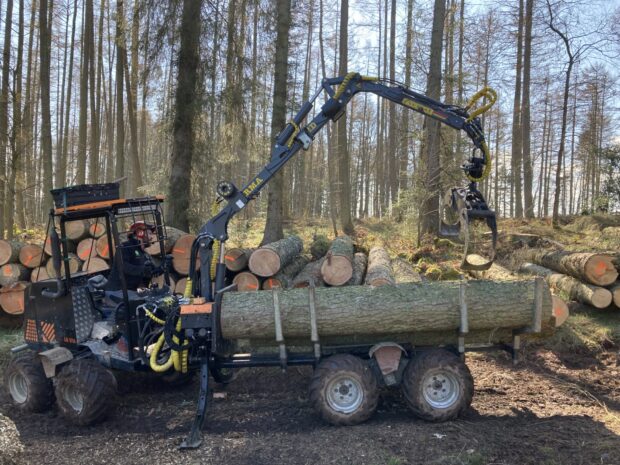
...more than possible for you to walk your woodland and get a feel for its potential. Understanding your local market It’s important to research local markets to understand current demand...
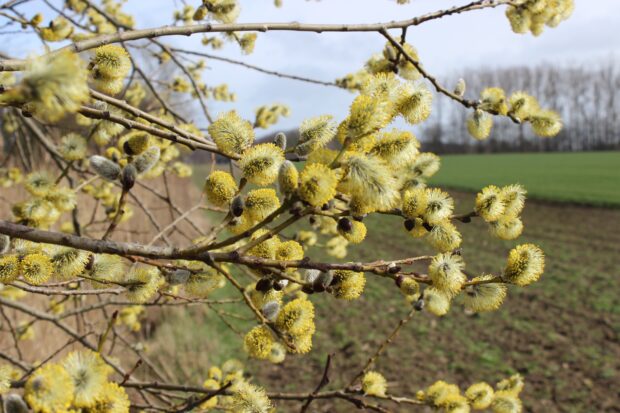
...opened by cutting. Left unmanaged, hazel may survive for around 80 years, but coppiced stools can live for several hundred years. Hazel also provides vital habitat for the protected hazel...
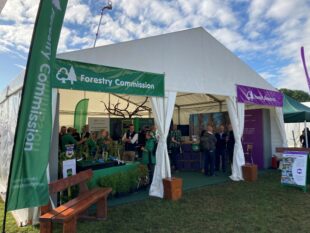
We attend a range of events to meet customers and give advice and guidance on planting and managing woodland.
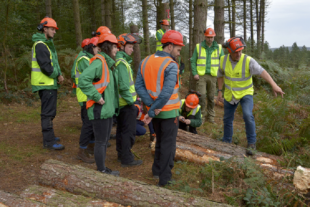
We also hold face-to-face and online training events on specific grant schemes and areas of forestry.
See our calendar of events.
See Civil Service Jobs for current vacancies at the Forestry Commission.
Read our careers blogs for an insight into forestry careers.
Sign up to our eAlerts to receive the latest information, advice and news from the Forestry Commission on a local and national scale.